
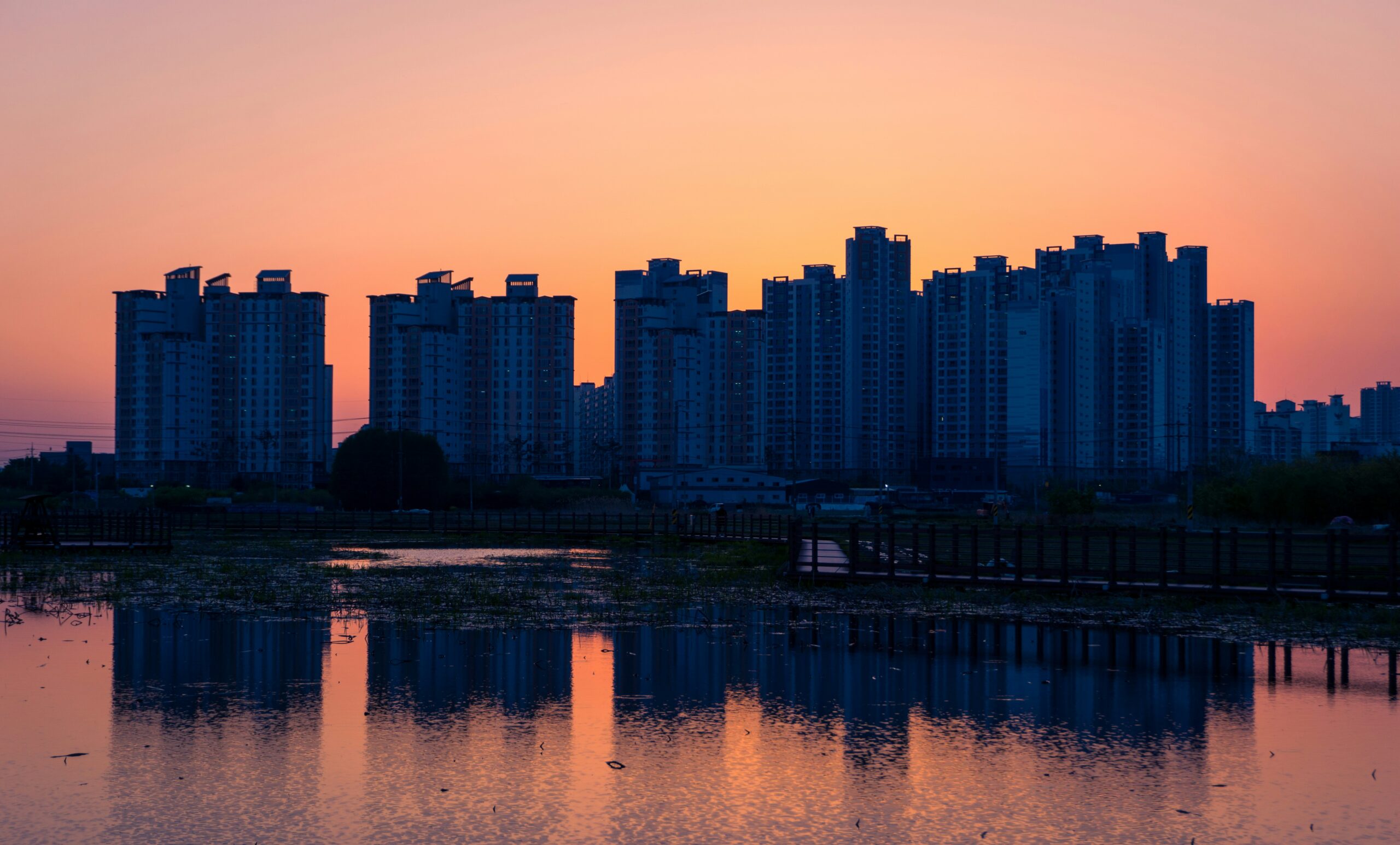
Daegu combines traditional markets, lively shopping streets, modern Korean history, local food, and mountain scenery in one city, making it an easy destination to add to a Korea itinerary beyond Seoul and Busan.
For a first visit, you can build your trip around Seomun Market, Dongseong-ro, Daegu Modern Culture Alley, Kim Kwangseok-gil Street, and Palgongsan National Park. The city is also easy to reach by train, with KTX services stopping at Dongdaegu and Seodaegu stations.
This Daegu Travel Guide explains what to see, how to get there, where to stay, how to get around, what local food to try, and how many days you actually need. It also covers practical options for travelers continuing to nearby destinations such as Gyeongju and other parts of Gyeongsangbuk-do.
Quick Answer: Is Daegu Worth Visiting?
Yes—especially if you want a Korean city that feels less tourist-heavy than Seoul or Busan while still offering plenty to do.
Daegu is a good fit for travelers interested in traditional markets, local food, shopping, modern Korean history, and easy access to mountain scenery. In the city center, Seomun Market, Dongseong-ro, the Modern Culture Alley area, and Kim Kwangseok-gil Street can be combined without spending most of the day in transit. Palgongsan adds a very different side of Daegu if you have extra time.
For most first-time visitors, one full day is enough for the central sights, while two days is more comfortable if you also want to visit Palgongsan or explore the city at a slower pace. Daegu also works well as a stop between Seoul and destinations in southeastern Korea rather than as a trip that requires many days.
Best Things to Do in Daegu
Daegu’s main attractions are split between a relatively compact city center and destinations farther outside downtown. For a first visit, it makes sense to explore the central neighborhoods first, then add places such as Palgongsan if you have a second day.
1. Eat and Explore at Seomun Market
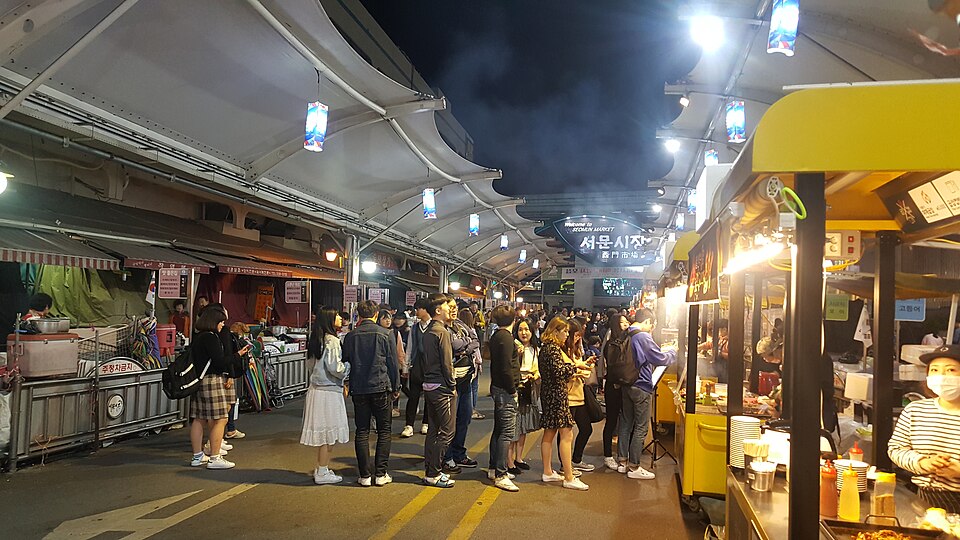
Seomun Market is one of Daegu’s best places to experience the city’s traditional market culture. Its history stretches back to the Joseon period, and today its covered alleys are packed with textiles, hanbok shops, household goods, dried seafood, and food stalls.
Come hungry. Flat dumplings (napjak mandu), noodles, tteokbokki, hotteok, and other market snacks are a bigger reason for most travelers to visit than shopping alone.
If your schedule allows, Friday through Sunday is especially useful because the Seomun Night Market operates in the evening. Current official information lists the night market as 7:00 PM–11:30 PM on Friday and Saturday and 7:00 PM–10:30 PM on Sunday. Individual shop hours can vary, so check the latest schedule before going.
Good for: Local food, traditional markets, casual shopping
Nearest subway: Seomun Market Station, Daegu Metro Line 3
Suggested time: About 1–2 hours
Official Seomun Market Information
2. Shop and Walk Around Dongseong-ro
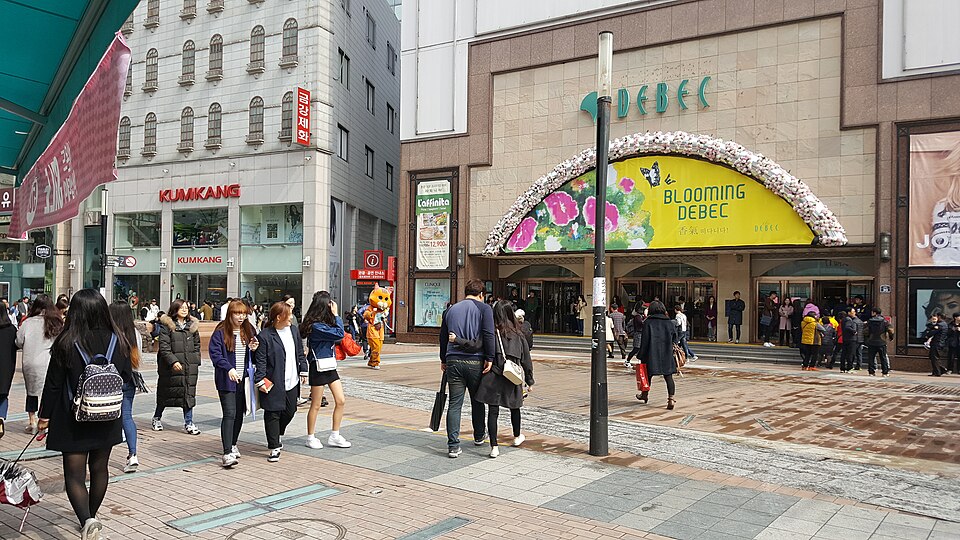
Dongseong-ro is Daegu’s main downtown shopping and entertainment district. The central street runs for about 900 meters and is packed with fashion stores, cosmetics shops, cafés, restaurants, department stores, and smaller side streets that become busier toward the evening.
You do not need a fixed sightseeing route here. It works best as a place to walk, shop, eat, and experience central Daegu, especially in the late afternoon or evening. It is also easy to combine with nearby downtown attractions rather than treating it as a separate half-day trip.
Good for: Shopping, cafés, restaurants, evening atmosphere
Nearest subway: Jungangno Station, Daegu Metro Line 1
Suggested time: About 1–2 hours
Official Dongseong-ro Street Information
3. Walk Through Daegu Modern Culture Alley
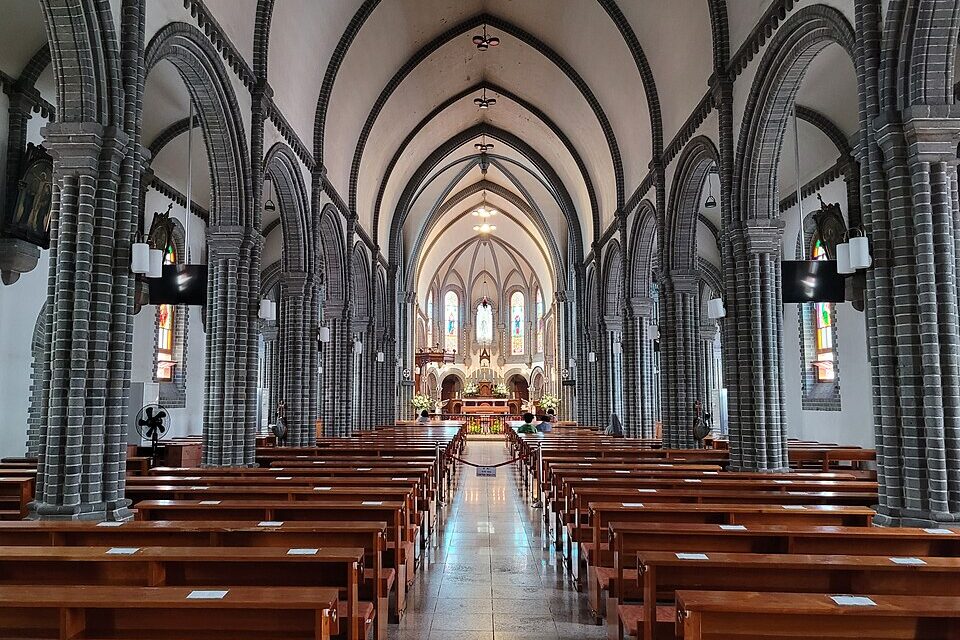
Daegu Modern Culture Alley is one of the easiest ways to understand the city beyond shopping and food. The walking route passes buildings and streets connected to Daegu’s modern history, independence movement, religion, and traditional medicine.
Start at Cheongna Hill, then continue down the March 1st Independence Movement Road toward Gyesan Cathedral.
The official Modern Culture Alley course is about 1.3 km and includes Cheongna Hill, the March 1st Independence Movement Road, Gyesan Cathedral, the House of Yi Sang-hwa, Daegu Jeil Church, and the Daegu Yangnyeongsi Museum of Oriental Medicine.
You do not have to visit every stop. If you are short on time, the section from Cheongna Hill to Gyesan Cathedral gives you a good introduction without turning it into a long museum day.
Good for: History, architecture, walking, photography
Suggested time: About 1.5–2.5 hours
Official Daegu Modern Culture Alley Walking Course
4. Visit Kim Kwangseok-gil Street
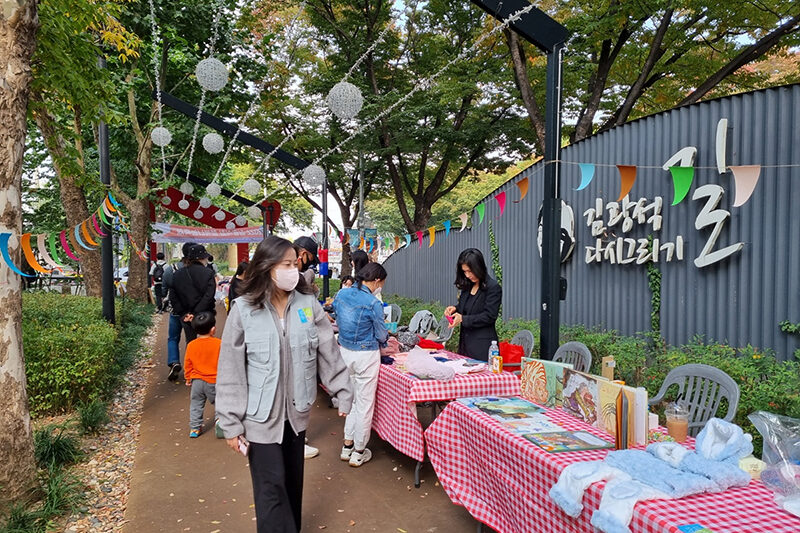
Kim Kwangseok-gil Street is a 350-meter mural street dedicated to Korean singer-songwriter Kim Kwang-seok, built beside Bangcheon Market in the neighborhood where he once lived. The walls are decorated with artwork and installations inspired by his life and music.
Even if you are not familiar with Kim Kwang-seok, the street is worth a short stop for its murals, small cafés, and relaxed neighborhood atmosphere. It works particularly well as a brief stop between other central Daegu attractions rather than as a destination that needs several hours.
The street itself is open 24 hours and free to enter, although cafés and individual businesses keep their own hours.
Good for: Street art, cafés, photography, Korean pop-culture history
Suggested time: About 30–60 minutes
Official Kim Kwangseok-gil Street Information
5. See Daegu from Apsan Observatory
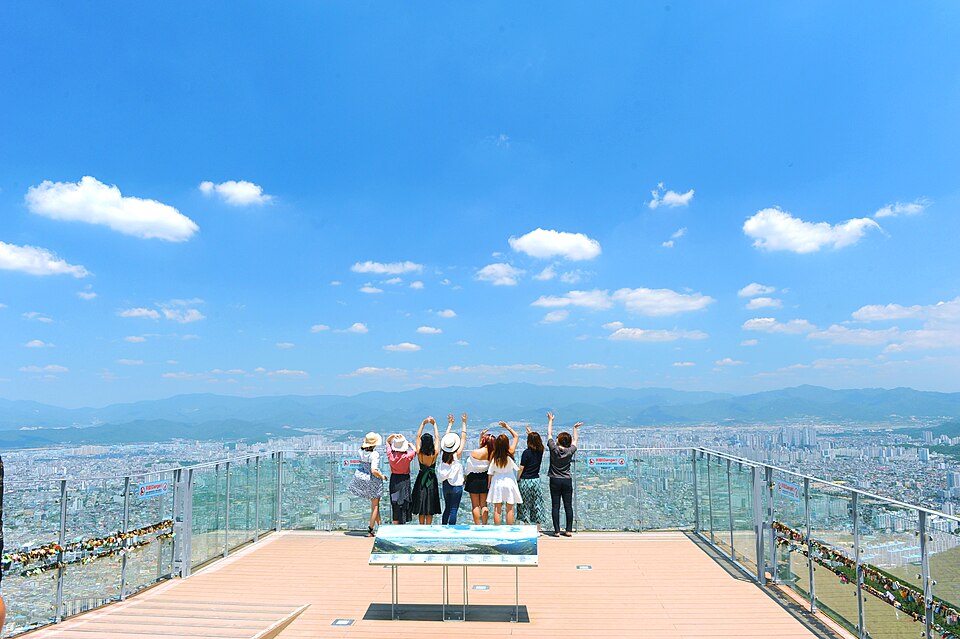
Apsan Observatory is one of the best places to see Daegu spread out below the surrounding mountains, especially around sunset and after dark.
You can reach the upper area by Apsan Cable Car rather than hiking the entire way. The cable car currently costs ₩14,000 round trip for adults and ₩10,000 one way. Operating hours vary by season, so check the latest schedule before visiting.
For the best experience, arrive in the late afternoon so you can see the city in daylight and stay as the lights come on. If you prefer hiking, Apsan Park also has walking trails, but allow considerably more time.
Good for: Panoramic views, sunset, night views, photography
Suggested time: About 1.5–2.5 hours with the cable car
Official Apsan Observatory Information
6. Spend Half a Day at Palgongsan National Park
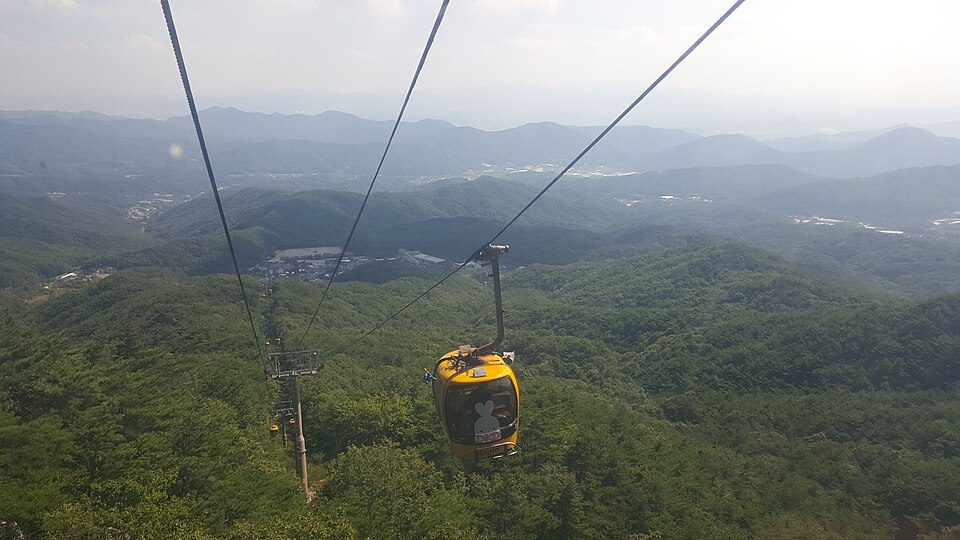
Palgongsan National Park offers a very different experience from central Daegu, with mountain scenery, Buddhist temples, hiking routes, and seasonal landscapes about 20 kilometers northeast of downtown.
You do not need to be a serious hiker to visit. One of the easiest options is to combine Palgongsan Cable Car with Donghwasa Temple, while travelers looking for a more active trip can explore hiking routes or the Gatbawi area. The cable car ride itself takes about seven minutes each way and climbs to the upper part of the mountain.
Palgongsan is particularly popular during autumn foliage season, but the national park can be visited throughout the year. Because it is farther from downtown than Daegu’s central attractions, allow at least half a day rather than trying to squeeze it between short city stops.
Good for: Mountain scenery, temples, hiking, fall foliage
Suggested time: Half a day
Official Palgongsan National Park Information
How to Get to Daegu
For most international travelers, Dongdaegu Station is the easiest gateway to Daegu. It connects directly to Daegu Metro Line 1, and the Dongdaegu Complex Transfer Center next to the station handles express and intercity buses.
High-speed rail is usually the fastest option from Seoul, Busan, and Gyeongju. One important update for 2026: former SRT high-speed services were integrated into KTX from September 1, 2026, so older travel guides that tell you to book SRT separately may now be outdated.
| From | Best Option | Approx. Travel Time | Arrival |
| Seoul | KTX | About 1 hr 40 min | Dongdaegu Station |
| Busan | KTX | About 50 min | Dongdaegu Station |
| Gyeongju | KTX | About 20 min on faster direct trains | Dongdaegu Station |
Travel times vary by train, so check the schedule for your exact travel date. Book ahead for weekends and especially around major Korean holidays such as Seollal and Chuseok.
Getting Around Daegu
Daegu is fairly easy to navigate without a car. Metro Lines 1, 2 and 3 cover many of the areas most visitors use, while city buses fill the gaps between stations and attractions farther from the center.
For adults, the subway costs ₩1,500 with a transportation card or ₩1,700 for a single-use ticket. Regular city buses also cost ₩1,500 with a transportation card, while express and direct buses cost ₩1,950.
One important change: Daegu city buses have been cash-free since April 1, 2025. Do not rely on cash when boarding a bus. A T-money card works on Daegu buses and the subway, so travelers who already have one from Seoul or another Korean city can continue using it in Daegu.
Official Daegu Cash-Free Bus Notice
| Transport | Adult Fare | Best For |
| Subway | ₩1,500 with transportation card | Most central sightseeing |
| Regular city bus | ₩1,500 with transportation card | Areas away from subway stations |
| Express/direct bus | ₩1,950 with transportation card | Longer trips across the city |
| Standard taxi | From ₩4,500 | Short trips, luggage, late evenings |
When transferring between buses and the subway, use the same transportation card and transfer within 30 minutes. Daegu currently allows up to two transfers, and bus passengers should always tap their card again when getting off to receive the transfer benefit.
If you already have a T-money card, there is no need to buy a separate Daegu transportation card for a short visit.
Official Daegu Public Transportation Information
Where to Stay in Daegu
For a first trip, choosing the right neighborhood matters more than choosing a specific hotel. The three most practical areas are Dongseong-ro, Dongdaegu Station, and Suseongmot, but they suit different types of trips.
Dongseong-ro is the most convenient all-around choice for first-time visitors. You can walk to restaurants, cafés, shopping streets, and several central attractions, while Jungangno Station makes it easy to reach other parts of Daegu.
Dongdaegu Station is better for short stays or travelers making day trips. KTX services, Daegu Metro Line 1, the bus terminal, and major shopping facilities are concentrated around the station, so it is especially practical if you are continuing to Seoul, Busan, Gyeongju, or another city.
Suseongmot is a better fit if you prefer quieter evenings and a more relaxed atmosphere. The lake has a walking trail, restaurants nearby, and attractive night views, but you will spend more time traveling to some of the central sightseeing areas.
| Area | Best For | Main Advantage | Trade-off |
| Dongseong-ro | First-time visitors, shopping, food | Central location and lively evenings | Busier and noisier |
| Dongdaegu Station | Short stays, train travelers, day trips | Easiest access to KTX and regional transport | Less atmospheric for sightseeing |
| Suseongmot | Couples, slower trips, evening walks | Lake views, restaurants and relaxed atmosphere | Farther from central attractions |
If this is your first visit to Daegu and you only have one or two nights, Dongseong-ro is the safest base for most itineraries. Choose Dongdaegu Station instead when convenient train connections matter more than nightlife or walking access to attractions.
What to Eat in Daegu
Daegu has a strong local food culture, but you do not need to work through every regional specialty on a short trip. For a first visit, these three dishes are a good introduction.
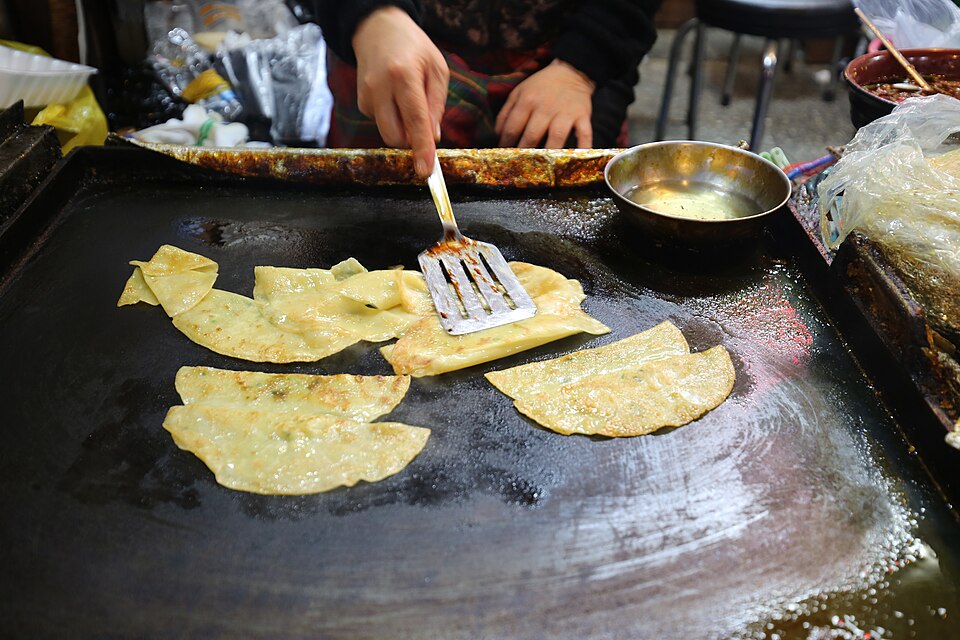
Napjak mandu are thin, flat dumplings filled mainly with glass noodles and vegetables. They are lighter than typical Korean dumplings and are often served with green onions, chili powder, and soy sauce. Seomun Market is an easy place to try them while sightseeing.
Dongin-dong jjimgalbi is Daegu-style spicy braised beef ribs, traditionally served in a metal bowl with plenty of garlic and red pepper. Head toward Dongin-dong Jjimgalbi Street if you want to try the dish in the area most associated with it.
Makchang gui is grilled intestine and one of Daegu’s best-known foods for an evening meal. It is usually grilled at the table and eaten with a seasoned dipping sauce, garlic, and vegetables.
How Many Days Do You Need in Daegu?
For most first-time visitors, one or two days is enough for Daegu.
If you have one day, focus on central Daegu:
- Morning: Daegu Modern Culture Alley
- Lunch: Seomun Market
- Afternoon: Dongseong-ro and Kim Kwangseok-gil Street
- Evening: Apsan Observatory or dinner in central Daegu
With two days, keep the first day focused on the city center and use the second day for Palgongsan National Park, Donghwasa Temple, or a slower visit to neighborhoods such as Suseongmot.
A two-day stay is the better choice if you want to experience both urban Daegu and its surrounding mountain scenery without rushing.
Daegu as a Base for Gyeongju and Gyeongsangbuk-do
Daegu can also work well as a base or stopover for exploring nearby parts of southeastern Korea.
Gyeongju is the easiest major side trip, with fast direct trains from Dongdaegu Station taking around 20 minutes on some services. If Gyeongju is a major part of your trip, however, staying overnight there is usually better than commuting back to Daegu because many historic attractions are spread beyond the station area.
For a longer regional trip, Daegu also connects naturally with destinations across Gyeongsangbuk-do, including Gyeongju, Andong, and Pohang. This makes it possible to combine Daegu’s markets, food, and city attractions with historic towns, coastal destinations, or traditional villages elsewhere in the province.
Read the Gyeongju Travel Guide for a practical first-time itinerary, or use the Gyeongsangbuk-do Travel Guide to compare other destinations in the region.
Practical Tips for Visiting Daegu
A few small preparations will make traveling around Daegu much easier.
- Use NAVER Map for directions. The app supports English maps and English navigation, and it is useful for subway, bus, walking, and place searches in Korea.
- Keep mobile data available. Real-time transit information, map searches, restaurant details, and translation tools are much easier to use with a Korean SIM or eSIM.
- Prepare for hot summers. Daegu is one of Korea’s hotter inland cities, and heat waves and tropical nights are common in summer. Spring and fall are generally more comfortable for walking-heavy itineraries.
- Use 1330 if you need travel help or interpretation. Korea Tourism Organization’s 1330 service provides tourism information, interpretation, and travel assistance for international visitors.
For more general advice before traveling around Korea, see our Korea Travel Tips for First-Time Visitors. If you still need mobile data for your trip, compare the options in our Korea SIM & eSIM Guide.
Official 1330 Korea Travel Helpline
NAVER Map Download: Android | iPhone
Daegu Travel Guide FAQ
Is Daegu worth visiting for tourists?
Yes. Daegu is especially worthwhile if you want traditional markets, local food, shopping streets, modern Korean history, and mountain scenery without the heavier tourist crowds found in Seoul or Busan.
How many days should I spend in Daegu?
One full day is enough for the main central attractions. Stay two days if you also want to visit Palgongsan, Donghwasa, Suseongmot, or explore at a slower pace.
Can I use a T-money card in Daegu?
Yes. T-money works on Daegu buses and the subway. You can continue using the same card you used in Seoul or other supported Korean cities.
How long does it take to travel from Seoul to Daegu?
KTX trains from Seoul to Dongdaegu typically take about 1 hour 40 minutes, although the exact journey time varies by train.
What is the best time to visit Daegu?
Spring and fall are the most comfortable seasons for sightseeing on foot. Summers can be particularly hot, while fall is also a good time to combine the city with Palgongsan’s seasonal scenery.
Final Thoughts
Daegu is a good addition to a Korea itinerary if you want local food, traditional markets, city neighborhoods, and mountain scenery without spending several days in one place.
For a first trip, one or two days is usually enough. Stay near Dongseong-ro for the easiest sightseeing base, add Apsan for city views, and use a second day for Palgongsan if you want to see a different side of Daegu.
Daegu also fits naturally into a longer southeastern Korea route with Gyeongju and other destinations in Gyeongsangbuk-do.