
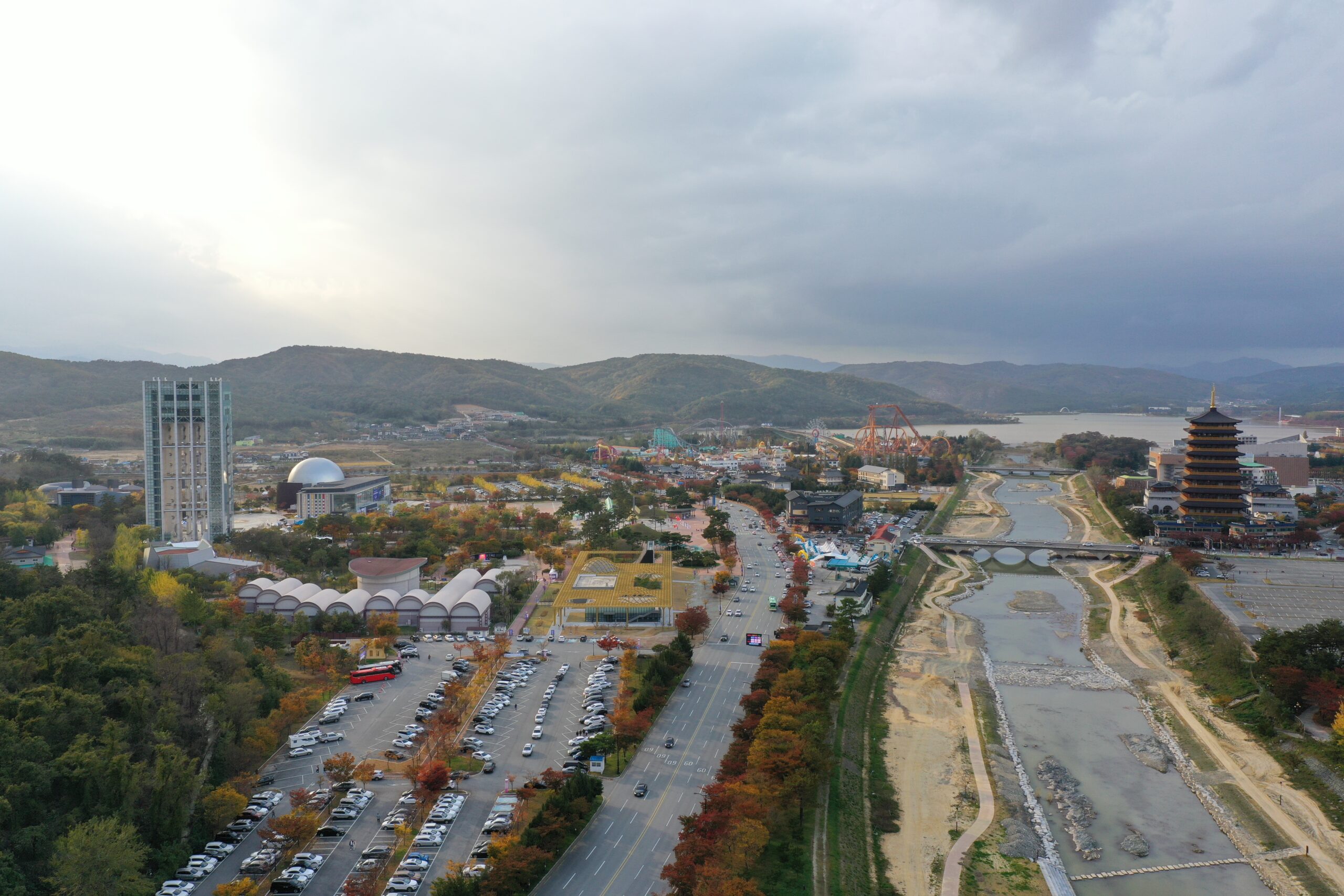
Gyeongsangbuk-do can be harder to plan than it first appears. The province covers a large area, and trips to historic Gyeongju, traditional Andong, coastal Pohang, or more remote destinations such as Ulleungdo require very different routes and travel times.
This Gyeongsangbuk-do travel guide is designed to help you decide which places are worth adding to your Korea itinerary, how many days you need, and how to combine destinations without wasting too much time in transit.
Rather than listing every attraction in the province, we will focus on the places most useful to international travelers, how they differ, and the practical choices you should make before you go.
- Where Should You Go in Gyeongsangbuk-do?
- Best Places to Visit in Gyeongsangbuk-do
- How Many Days Do You Need in Gyeongsangbuk-do?
- How to Get to Gyeongsangbuk-do
- Getting Around Gyeongsangbuk-do
- Where to Stay in Gyeongsangbuk-do
- Suggested Gyeongsangbuk-do Itineraries
- Best Time to Visit Gyeongsangbuk-do
- Gyeongsangbuk-do Travel FAQ
- Final Thoughts
Where Should You Go in Gyeongsangbuk-do?
Gyeongsangbuk-do is too large to treat as a single sightseeing area. For most international travelers, the better approach is to choose one or two destinations that match your interests and build the rest of the trip around them.
Gyeongju is the easiest starting point for ancient history and major cultural sights, while Andong focuses more on traditional villages and Confucian heritage. Pohang offers a very different coastal experience, and destinations farther north or east work better for travelers with extra time.
| Destination | Best for | Suggested time | Why go |
| Gyeongju | First-time visitors, history | 1–2 days | Silla heritage, temples, tombs and walkable historic areas |
| Andong | Traditional culture | 1–2 days | Hahoe Village, Confucian heritage and traditional architecture |
| Pohang | Coast, food, modern city | 1 day | Beaches, seafood markets and East Coast scenery |
| Yeongju | Temples and quieter cultural travel | 1 day | Buseoksa, Sosu Seowon and less-crowded heritage sites |
| Mungyeong | Nature and hiking | 1 day | Mountain scenery and historic mountain-pass routes |
| Ulleungdo | Remote island travel | 2–3+ days | Dramatic island landscapes and a very different side of Korea |
Gyeongju works best for history-focused trips, Andong for traditional culture, and Pohang for the coast. The sections below explain what each destination offers and where it fits into a larger itinerary.
For a detailed introduction to the city, see our Gyeongju Travel Guide.
Best Places to Visit in Gyeongsangbuk-do
Gyeongju: Best for First-Time Visitors and Ancient History
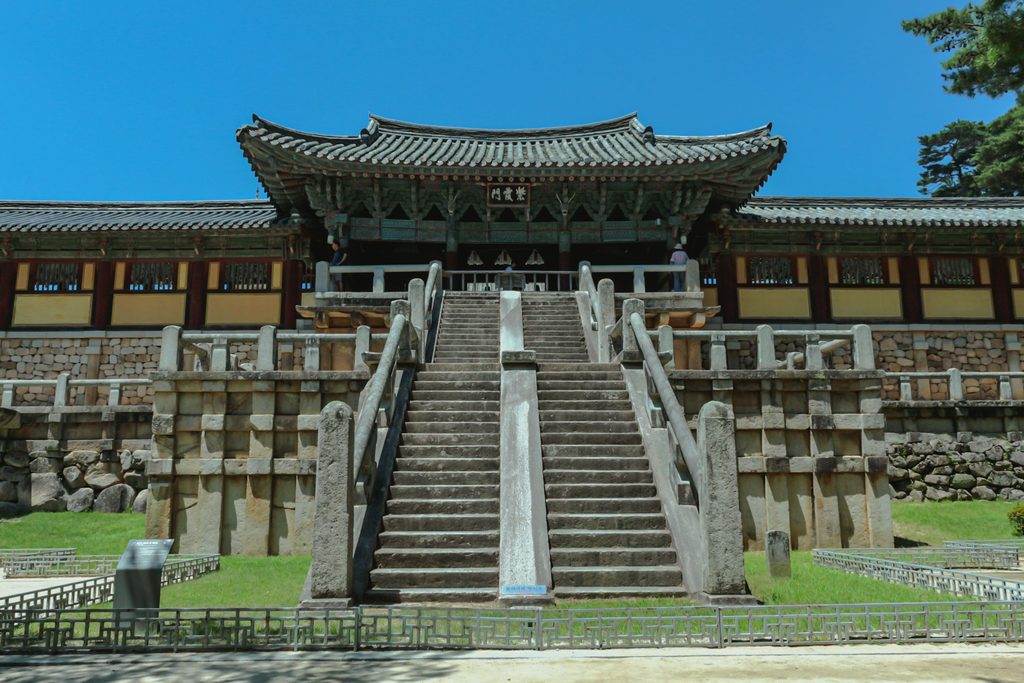
Gyeongju is the easiest place to start exploring Gyeongsangbuk-do, especially if this is your first trip to the province. As the former capital of the Silla Kingdom, the city has one of the highest concentrations of major historic sites in Korea.
The main sightseeing area around Daereungwon, Cheomseongdae, Hwangnidan-gil and Donggung and Wolji is relatively easy to combine on foot. Bulguksa Temple and Seokguram Grotto are farther from the center, so they work better as a separate half-day trip.
For most first-time visitors, one night and two days gives a much better experience than trying to see Gyeongju as a rushed day trip.
Browse all our Gyeongju guides for transportation and trip-planning articles.
Andong: Best for Traditional Villages and Confucian Heritage
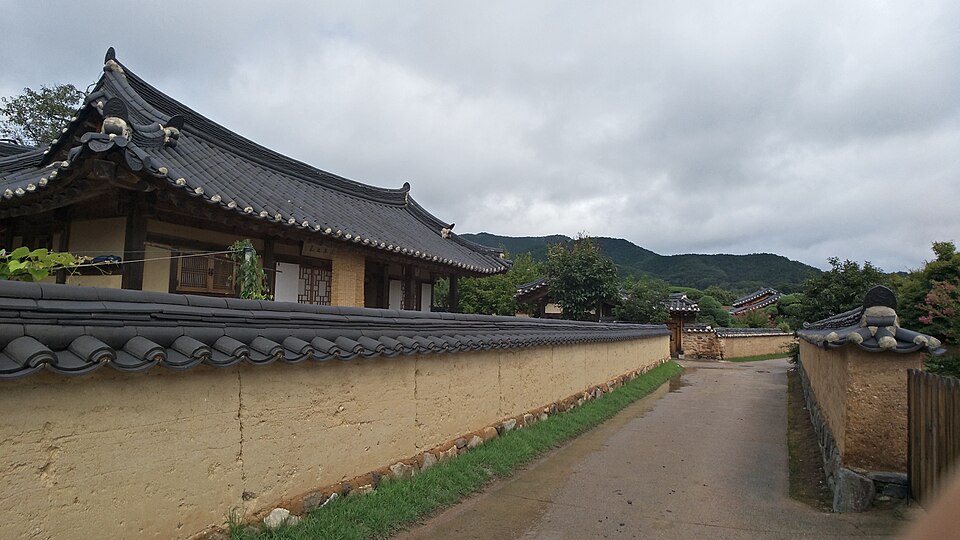
Andong is a better choice than Gyeongju if you want to focus on traditional village life, Confucian culture and slower-paced heritage travel.
The city’s best-known sight is Hahoe Village, a UNESCO World Heritage site known for preserved traditional houses and Hahoe mask culture. Other major heritage sites, including Dosan Seowon and Bongjeongsa Temple, are spread across a wider area, so Andong requires more travel time between sights than central Gyeongju.
If you are traveling without a car, plan your route carefully rather than trying to fit every major attraction into one day. Andong works especially well for travelers who prefer cultural depth over a packed sightseeing schedule.
Official Andong Tourist Attractions
Pohang: Best for Coastal Scenery and Seafood
Pohang is a good choice if you want to add coastal scenery, seafood and a more modern city atmosphere to a Gyeongsangbuk-do trip.
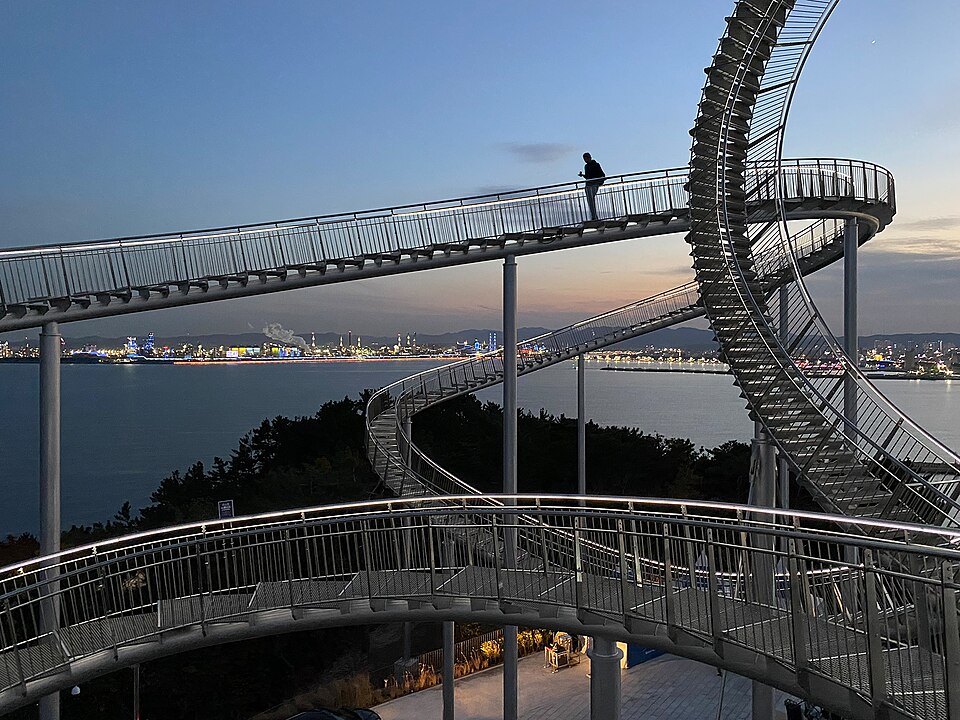
Popular stops include Jukdo Market for seafood, Yeongildae Beach for an easy waterfront walk, and Space Walk for elevated views over the city and coast. Homigot is farther from central Pohang but is one of the city’s best-known sunrise destinations.
Pohang can work as a day trip, but its attractions are spread across different parts of the city. If Homigot or the outer coastline is a priority, allow extra travel time rather than trying to combine every major stop in a few hours.
Official Pohang Suggested Itinerary
Yeongju: Best for Temples and Quieter Heritage Travel
Yeongju is a good choice for travelers who want important heritage sites without the busier atmosphere of Gyeongju.
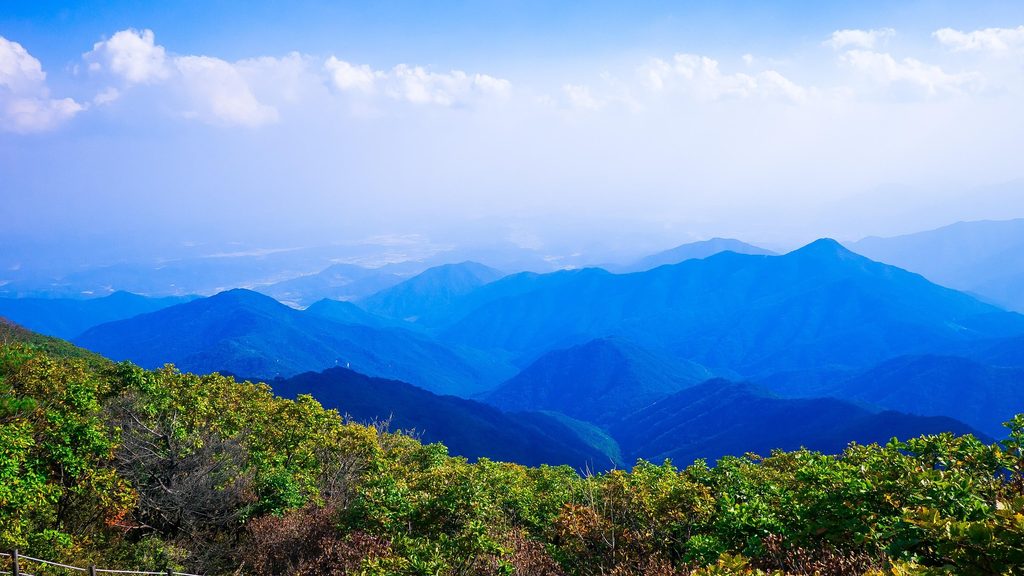
The two standout attractions are Buseoksa Temple and Sosu Seowon Confucian Academy. Buseoksa is one of Korea’s major historic Buddhist temples, while Sosu Seowon was the country’s first private Confucian academy and is part of the UNESCO-listed Seowon heritage. Yeongju also has traditional villages and access to Sobaeksan Mountain for travelers who want to combine culture with nature.
The main sights are spread out, so Yeongju works better as a focused day trip or overnight stop than as a quick add-on between other cities.
Official Yeongju Tourist Attractions
Mungyeong: Best for Historic Trails and Mountain Scenery
Mungyeong is a strong choice if you want walking trails, mountain scenery and a quieter historic route rather than another city-based sightseeing stop.
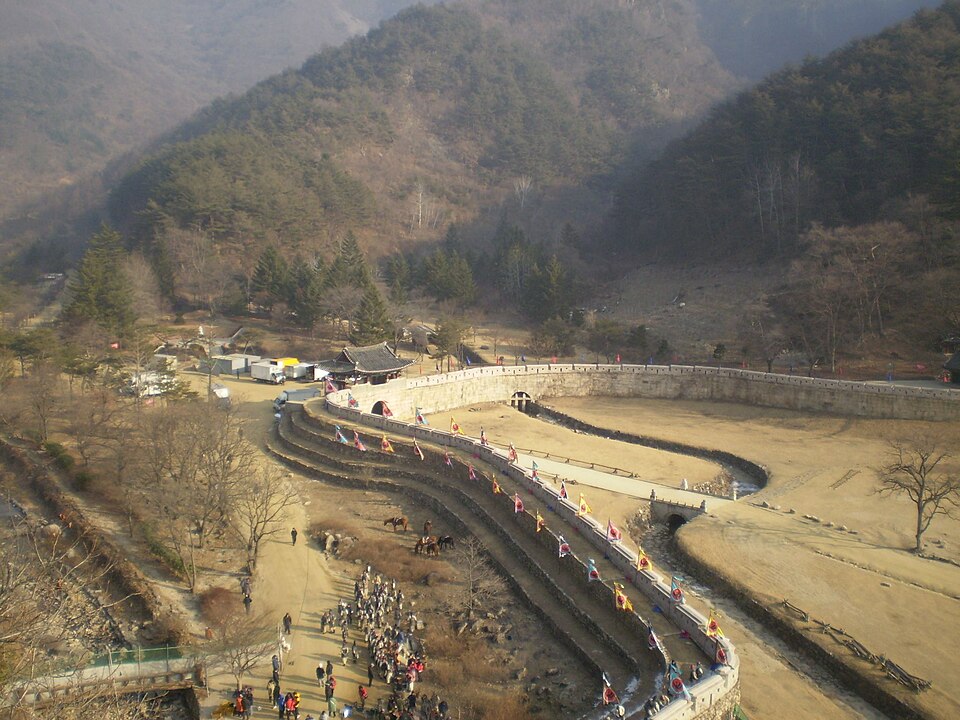
The main attraction is Mungyeongsaejae Provincial Park, an old mountain pass that once formed part of a major route between southeastern Korea and Seoul. The trail passes through three historic gates, forested sections and cultural sites, with a historical drama set also located inside the park.
You do not need to walk the entire route to enjoy the area. Shorter visits around the first gate and nearby attractions work well for casual travelers, while hikers can continue farther along the old pass.
Official Mungyeongsaejae Visitor Information
Ulleungdo: Best for Remote Island Scenery and a Longer Adventure
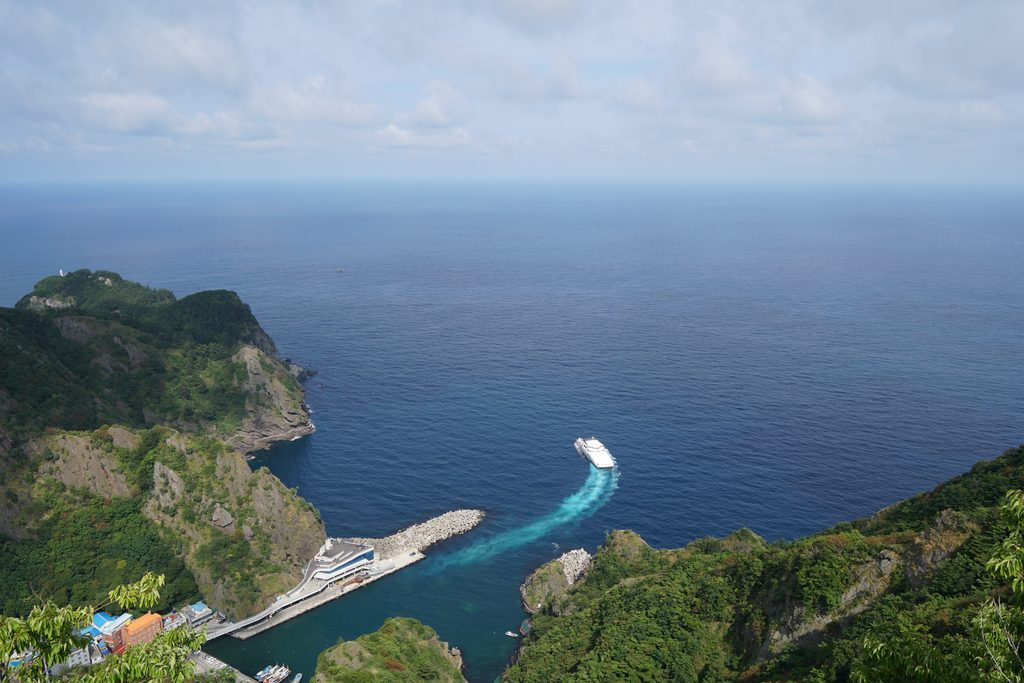
Ulleungdo is the most distinctive destination in Gyeongsangbuk-do, but it also requires the most planning. The volcanic island lies far off Korea’s east coast and feels completely different from the province’s historic cities and inland mountain areas.
Travelers come for dramatic coastal cliffs, clear water, hiking and viewpoints around the island. Dodong and Jeodong are useful bases, while places such as Nari Basin and the island’s coastal roads show a much wilder side of Korea.
For most travelers, Ulleungdo is better planned as a 2–3 night trip rather than a quick side trip. Ferry schedules can be affected by sea and weather conditions, so avoid building a tight same-day connection around your arrival or return to the mainland.
How Many Days Do You Need in Gyeongsangbuk-do?
There is no single ideal trip length for Gyeongsangbuk-do because the province is large and its destinations are spread out. For most travelers, the best approach is to choose a small number of places rather than trying to cover the entire province.
| Trip length | Good combination | Best for |
| 1 day | Gyeongju or Pohang | A short side trip from Busan or another nearby city |
| 2 days | Gyeongju only, or Andong only | Travelers who want a slower cultural trip |
| 3–4 days | Gyeongju + Pohang, or Gyeongju + Andong | First-time visitors who want two different experiences |
| 5+ days | Gyeongju + Andong + another destination | Travelers building a larger regional itinerary |
For a first visit, three to four days is a useful starting point if you want to see more than one part of the province without spending most of the trip in transit.
Ulleungdo should usually be treated separately because ferry travel and weather can affect the schedule. If the island is a major goal, give it its own block of several days rather than adding it to an already packed mainland itinerary.
How to Get to Gyeongsangbuk-do
Gyeongsangbuk-do does not have one main gateway. The best route depends on which city you plan to visit first.
Daegu can also be a practical gateway if your itinerary continues into southern Gyeongsangbuk-do, especially toward Gyeongju and nearby destinations. See our Daegu Travel Guide for transport, neighborhoods, food, and practical planning in the city.
From Seoul, rail access depends on your destination. Direct KTX trains from Seoul Station serve Gyeongju and Pohang, while KTX-Eum trains from Cheongnyangni Station serve Yeongju and Andong. Intercity and express buses can be more convenient when the bus terminal is closer to your accommodation or destination.
From Busan, Gyeongju is one of the easiest destinations to reach. The Donghae Line also connects Busan’s Bujeon Station with Gyeongju and Pohang, making rail travel along the east coast more practical than before.
| Destination | From Seoul | From Busan | Practical choice |
| Gyeongju | Direct KTX from Seoul Station | Train or intercity bus | Easy from either city |
| Pohang | Direct KTX from Seoul Station | Donghae Line KTX-Eum | Train is usually simplest |
| Andong | KTX-Eum from Cheongnyangni or bus | Train/bus depending schedule | Rail is especially convenient from Seoul |
| Yeongju | KTX-Eum from Cheongnyangni or bus | Train/bus depending schedule | Check live schedules before booking |
For smaller destinations such as Mungyeong or rural parts of the province, do not assume the train is automatically faster. A direct intercity bus can sometimes save a transfer.
Train and bus schedules change, so check your exact route and travel date before booking, especially on weekends and Korean public holidays.
If you are traveling from Busan specifically to Gyeongju, our Busan to Gyeongju guide compares the main train and bus options in more detail.
Intercity Bus Booking for Foreign Travelers
Getting Around Gyeongsangbuk-do
Getting around Gyeongsangbuk-do usually requires a mix of trains, intercity buses and local transportation. There is no single transit network that conveniently connects every major attraction in the province.
Trains are useful for travel between some larger cities, while intercity buses often fill the gaps between destinations that are not connected directly by rail. Once you arrive, local buses and taxis are usually needed for attractions outside the city center.
This matters especially in places such as Andong, Yeongju, Mungyeong and outer Pohang, where major sights can be far apart. If your itinerary includes several rural attractions in a short period, renting a car can save time, but it is not necessary for a simple Gyeongju-centered trip.
| Travel situation | Best option | Works well for | Keep in mind |
| Between major cities | Train or intercity bus | Gyeongju, Pohang, Andong, Yeongju | Compare schedules before choosing |
| Inside a city | Local bus + walking | Central attractions | Service may be less frequent outside major centers |
| Rural attractions | Local bus + taxi | Temples, villages and mountain areas | Allow extra transfer and waiting time |
| Multi-stop rural itinerary | Rental car | Travelers visiting several remote sights | Check foreign-license and IDP requirements before booking |
For local buses, a prepaid transportation card such as T-money is much easier than relying on cash. T-money and other major Korean transportation cards can be purchased at convenience stores and used on public transportation across Korea.
If you need help buying, loading or using one, see our T-money Card Guide.
NAVER Map is also useful for checking local bus routes, walking directions and travel times. The app supports English maps and navigation as well as Japanese and Chinese map interfaces.
NAVER Map Download: Android | iPhone
Where to Stay in Gyeongsangbuk-do
There is no single perfect base for exploring all of Gyeongsangbuk-do. The province is large enough that choosing accommodation close to the places you actually plan to visit can save a lot of unnecessary travel time.
For most first-time visitors, Gyeongju is the most practical place to stay. It has the province’s strongest concentration of major sights, restaurants and visitor-oriented accommodation, and it is easy to build a one- or two-night stay around the historic center.
If Andong or Pohang is a major part of your itinerary, however, staying overnight in those cities is usually more practical than repeatedly returning to Gyeongju.
| Base | Best for | Main advantage | Keep in mind |
| Gyeongju | First-time visitors, history | Best overall sightseeing base | Choose downtown or Bomun depending on your itinerary |
| Andong | Traditional culture | Easier access to Andong heritage sites | Major attractions are spread out |
| Pohang | Coast, seafood, east-coast travel | Good base for Pohang and nearby coast | Less convenient for inland heritage destinations |
Within Gyeongju, the Hwangnidan-gil and Hwangnam-dong area is convenient if you want restaurants, cafés and historic sights within walking distance. The Bomun Tourist Complex is better suited to travelers who prefer larger hotels, resorts and a quieter lakeside setting, although it is farther from the historic center.
For Andong and Pohang, prioritize location over hotel category. Staying near the part of the city you actually plan to explore can be more useful than choosing a highly rated property that requires long local transfers.
Suggested Gyeongsangbuk-do Itineraries
3 Days: Gyeongju + Pohang
This is one of the easiest ways to combine history and the East Coast without changing accommodation every night.
Day 1 — Central Gyeongju
Explore Daereungwon, Cheomseongdae and the historic center, then stay for the evening around Donggung and Wolji or Woljeonggyo Bridge.
Day 2 — Bulguksa and Gyeongju
Visit Bulguksa Temple and, if it fits your schedule, Seokguram Grotto. Spend the rest of the day around Gyeongju before staying a second night or moving to Pohang.
Day 3 — Pohang
Focus on one part of Pohang rather than crossing the entire city. Yeongildae Beach, Space Walk and Jukdo Market work well together, while Homigot is better if you are willing to spend more time traveling along the coast.
4 Days: Gyeongju + Andong
This itinerary works well if you want to combine Silla history in Gyeongju with traditional village and Confucian heritage in Andong.
Day 1 — Central Gyeongju
Explore Daereungwon, Cheomseongdae and the historic center, then spend the evening around Donggung and Wolji or Woljeonggyo Bridge.
Day 2 — Bulguksa and Eastern Gyeongju
Visit Bulguksa Temple and Seokguram Grotto, then return to central Gyeongju for a slower afternoon or evening before moving on the next day.
Day 3 — Travel to Andong + Hahoe Village
Move to Andong and make Hahoe Village the main focus of the day. Avoid packing too many distant attractions into the same afternoon, especially if you are relying on public transportation.
Day 4 — Andong Heritage Sites
Choose one or two additional sites such as Dosan Seowon or Bongjeongsa Temple rather than trying to cover every major attraction around Andong in a single day.
5+ Days: A Larger Gyeongsangbuk-do Trip
With five days or more, you can combine Gyeongju, Andong and Pohang without turning the trip into a constant series of transfers.
A practical route is to spend two days in Gyeongju, one or two days in Andong, and one day in Pohang. This gives you a mix of ancient history, traditional culture and the East Coast while keeping the itinerary relatively focused.
If you have extra time, add Yeongju or Mungyeong based on your interests rather than trying to include every major destination in the province.
Ulleungdo is better treated as a separate extension. Because sea travel and weather can affect the schedule, it is usually more comfortable to give the island its own block of several days instead of squeezing it into a packed mainland itinerary.
Best Time to Visit Gyeongsangbuk-do
For most travelers, spring and autumn are the easiest seasons for exploring Gyeongsangbuk-do, especially if your itinerary includes historic sites, traditional villages or outdoor walking.
Spring brings flowers and mild weather, while autumn is especially good for mountain scenery, temple visits and long days of sightseeing on foot. These seasons are also popular, so accommodation in major destinations such as Gyeongju can become busier around weekends and peak seasonal periods.
Summer can work well for Pohang and other coastal destinations, but expect hot, humid weather. Korea’s summer rainy season generally falls around late June and July, and typhoons can occasionally affect travel later in the season.
Winter is quieter but considerably colder, particularly in inland and mountainous areas. It can still be a good option if you prefer fewer crowds, but check weather and transportation conditions before visiting remote areas.
Official Korea Weather Forecast
Gyeongsangbuk-do Travel FAQ
Is Gyeongsangbuk-do the same as Gyeongbuk?
Yes. Gyeongbuk is a commonly used shortened name for Gyeongsangbuk-do. You may see both names on tourism websites, maps and transportation information.
Can I visit Gyeongju and Andong on the same trip?
Yes. A four-day trip gives you enough time to spend about two days in Gyeongju and then continue to Andong without rushing through both destinations.
Do I need a car to travel around Gyeongsangbuk-do?
No. Major cities can be reached by train or intercity bus, and local buses and taxis cover many attractions. A rental car becomes more useful if you plan to visit several rural temples, mountain areas or remote attractions in a short time.
Final Thoughts
Gyeongsangbuk-do is best explored by choosing a few destinations that match your interests rather than trying to see the entire province in one trip.
Choose destinations with different strengths—such as Gyeongju + Pohang or Gyeongju + Andong—and leave enough time for the transfers between them.
The key is to keep the itinerary realistic. Travel times between cities can be longer than expected, so a focused route usually gives you a better experience than trying to cover too much.
Heading south? Our Gyeongsangnam-do Travel Guide covers Tongyeong, Geoje, Namhae, Jinju, Hadong, and other destinations across the neighboring province.