
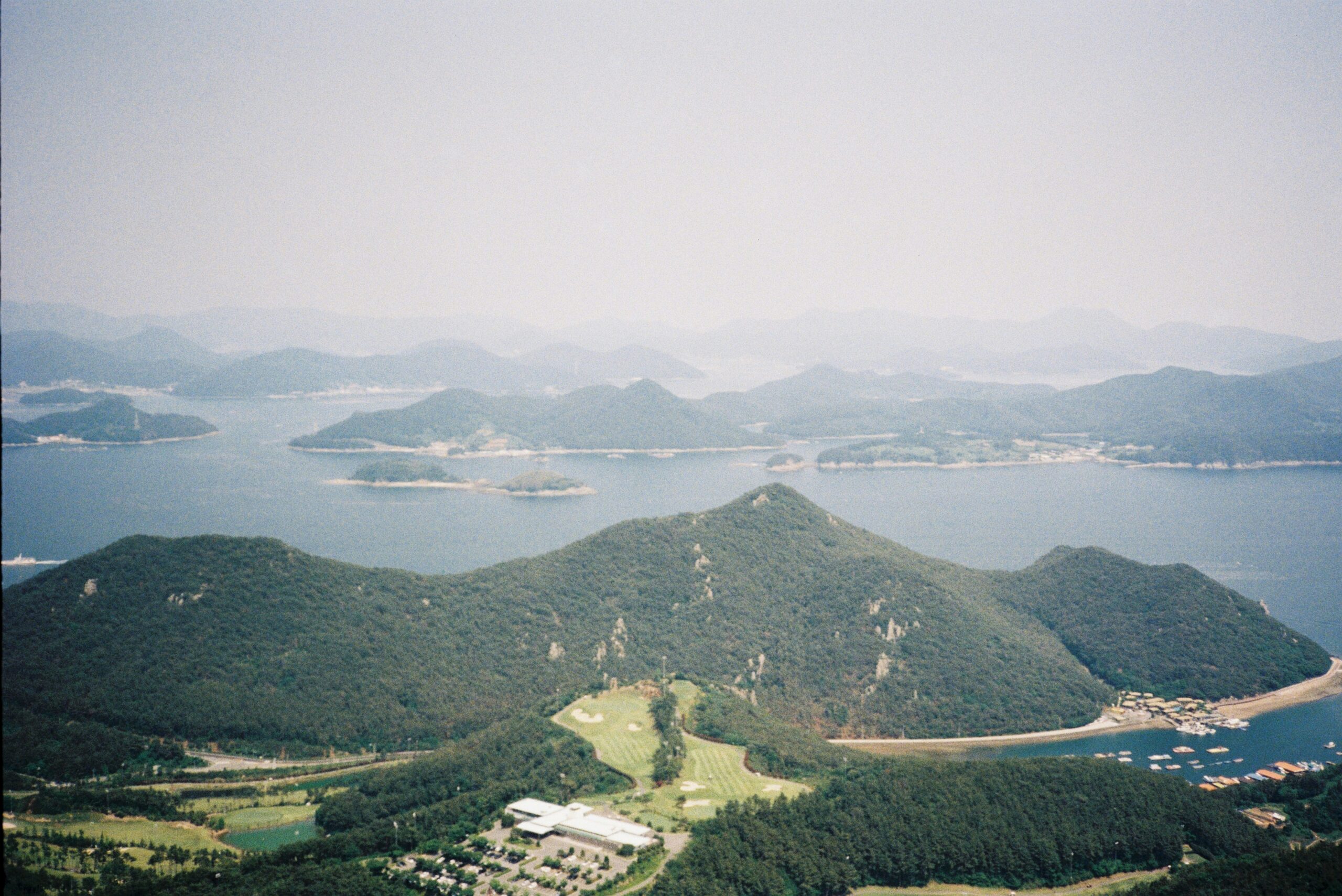
Gyeongsangnam-do, also known as South Gyeongsang, is a diverse region for travelers who want to explore Korea beyond its major cities. Its southern coast is dotted with islands, seaside towns, scenic drives, and small port cities, while inland areas offer historic sites, mountains, tea fields, and traditional communities.
The harder part is deciding where to go and how to connect the places. Tongyeong, Geoje, Namhae, Jinju, Hadong, and other destinations offer very different experiences, and many are spread far enough apart that your transport plan matters.
This Gyeongsangnam-do travel guide will help you choose the best places for your trip, understand how to get around, decide how many days you need, and build a practical itinerary for exploring southern Korea.
- Best Places to Visit in Gyeongsangnam-do
- How Many Days Do You Need in Gyeongsangnam-do?
- How to Get to Gyeongsangnam-do
- Getting Around Gyeongsangnam-do
- Best Time to Visit Gyeongsangnam-do
- Where to Stay in Gyeongsangnam-do
- Suggested Gyeongsangnam-do Itineraries
- Practical Tips for Visiting Gyeongsangnam-do
- Gyeongsangnam-do Travel FAQ
- Final Thoughts
Best Places to Visit in Gyeongsangnam-do
Gyeongsangnam-do is too large and varied to treat as a single destination. For most first-time visitors, it is better to choose one or two areas that match your travel style rather than trying to cover the entire province in one trip.
Here is a quick way to narrow down your options.
| Destination | Best for | Main appeal | Travel style |
| Tongyeong | First-time coastal trip | Islands, harbor views, seafood, Hallyeohaesang scenery | Good all-round base |
| Geoje | Beaches and coastal scenery | Islands, rocky coastline, beaches, scenic drives | Best for exploring multiple coastal spots |
| Namhae | Slow travel and road trips | Sea views, villages, beaches, countryside | Relaxed and scenic |
| Jinju | History and a shorter city stay | Jinjuseong Fortress, Namgang River, local markets | Easy city-focused trip |
| Hadong | Nature and tea culture | Tea fields, Jirisan foothills, Hwagae area | Quiet countryside trip |
| Changwon & Jinhae | Spring travel and city access | Cherry blossoms, parks, waterfront areas | Especially popular in spring |
If you have only two or three days, Tongyeong is usually the easiest starting point for a first Gyeongsangnam-do trip because it combines a compact city center with access to coastal scenery and nearby islands. Geoje and Namhae are better choices when the coastline itself is the main reason for your trip, while Jinju and Hadong offer a very different inland experience.
Tongyeong – Best for a First Coastal Trip
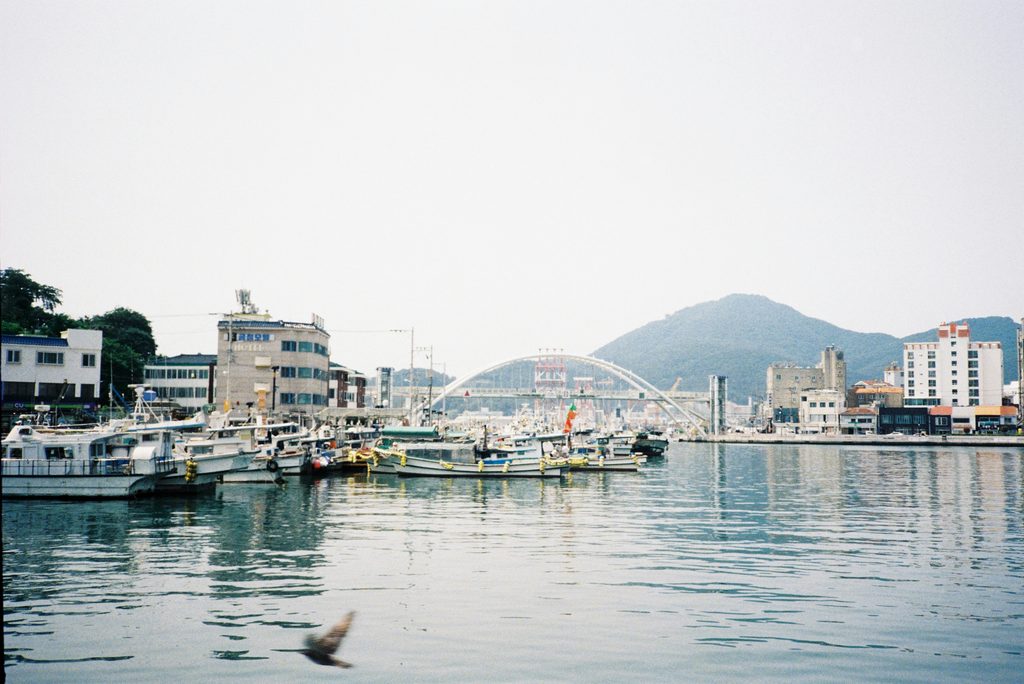
Tongyeong is one of the easiest places to start if this is your first trip to Gyeongsangnam-do. The harbor area puts Jungang Market, Dongpirang Village, local seafood, and waterfront views close together, while the Tongyeong Cable Car gives you a much wider view of the island-filled southern coast.
A two-day, one-night stay works well for the city highlights. Stay longer if you want to add an island trip, hiking, or more time around the coast. Tongyeong is especially suited to travelers who want a mix of food, scenery, and sightseeing without relying on a car for every part of the trip.
Geoje – Best for Beaches, Islands and Coastal Drives
Geoje is a better choice if you want to spend more of your trip exploring the coast. South Korea’s second-largest island is connected to both Busan and Tongyeong by road, but its attractions are spread across a much wider area than central Tongyeong.
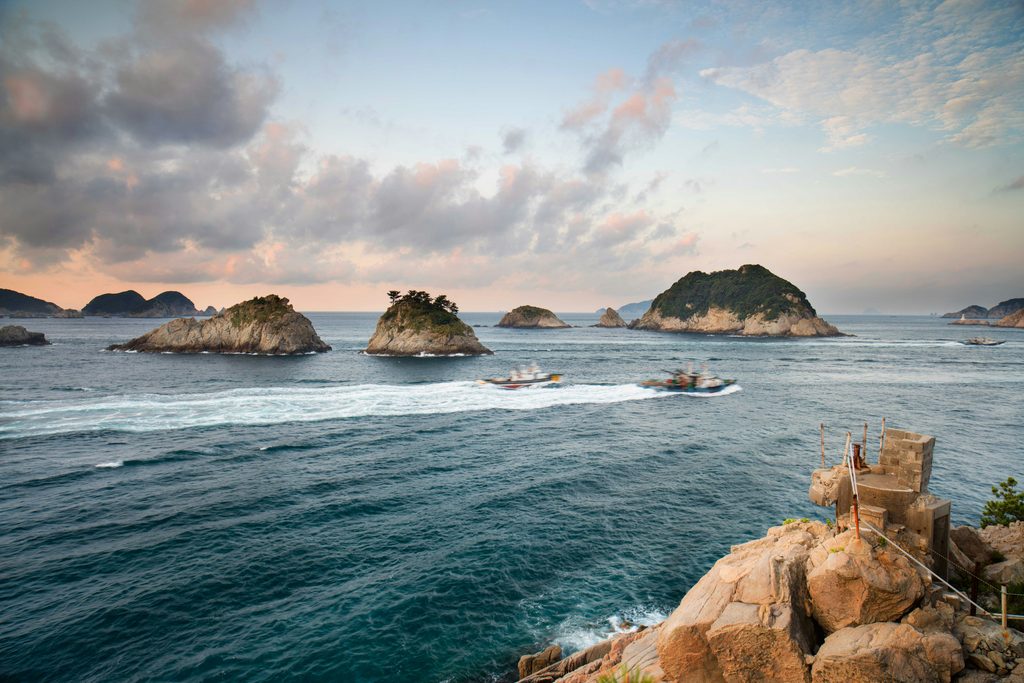
Highlights include Haegeumgang’s rocky seascapes, ferry trips to Oedo Botania, pebble beaches, and scenic coastal roads. Because these places are scattered around the island, Geoje works especially well with a rental car. Traveling by bus is possible, but you should expect to spend more time moving between attractions.
For most travelers, one or two nights is more practical than trying to squeeze Geoje into a short stop. If you are visiting without a car, choose your accommodation and daily route carefully instead of trying to cover every part of the island.
Namhae – Best for Slow Travel and Scenic Drives
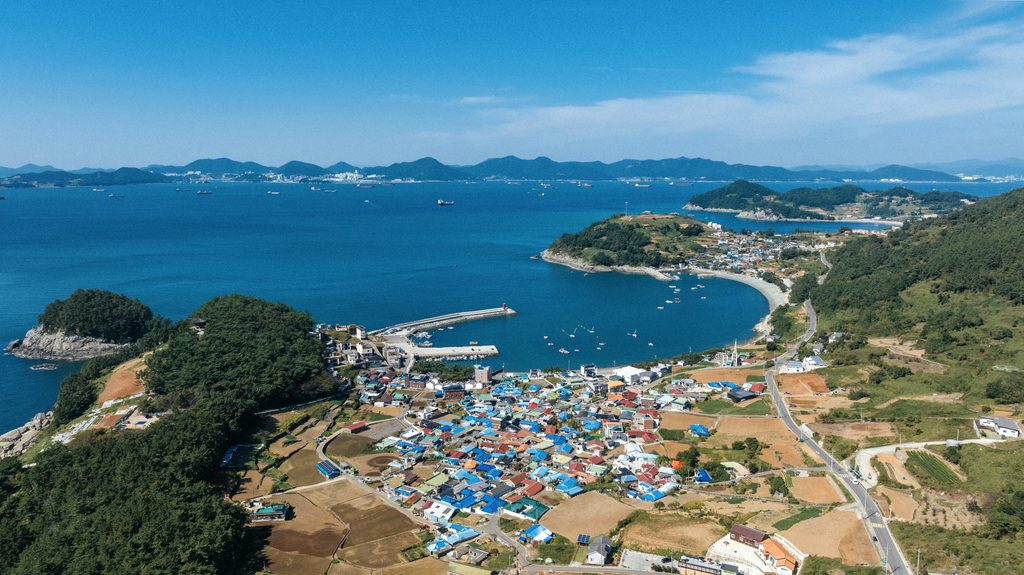
Namhae is a good choice if you prefer a slower trip built around coastal roads, sea views, beaches, and small villages rather than a packed sightseeing schedule. The island is especially appealing for travelers who enjoy driving, stopping at viewpoints, and spending more time outdoors.
Popular stops include Namhae German Village, Sangju Silver Sand Beach, Boriam Hermitage on Geumsan Mountain, and the Treasure Island Observatory. These sights are spread across the island, so having a car makes the trip much easier. Without one, it is better to choose just a few places and plan your bus or taxi connections in advance.
One or two nights is usually enough for a first visit, but Namhae works best when you leave room in the itinerary rather than trying to rush between attractions.
Jinju – Best for History and an Easy City Stay
Jinju is a good alternative to the coastal destinations if you prefer history, riverside walks, and a more compact city trip. Its main attractions are easier to combine than the scattered sights of Geoje or Namhae, making Jinju especially practical for travelers without a rental car.
The centerpiece is Jinjuseong Fortress, overlooking the Namgang River. Inside and around the fortress area, you can visit Chokseongnu Pavilion and the Jinju National Museum while learning about the battles that took place here during the Imjin War.
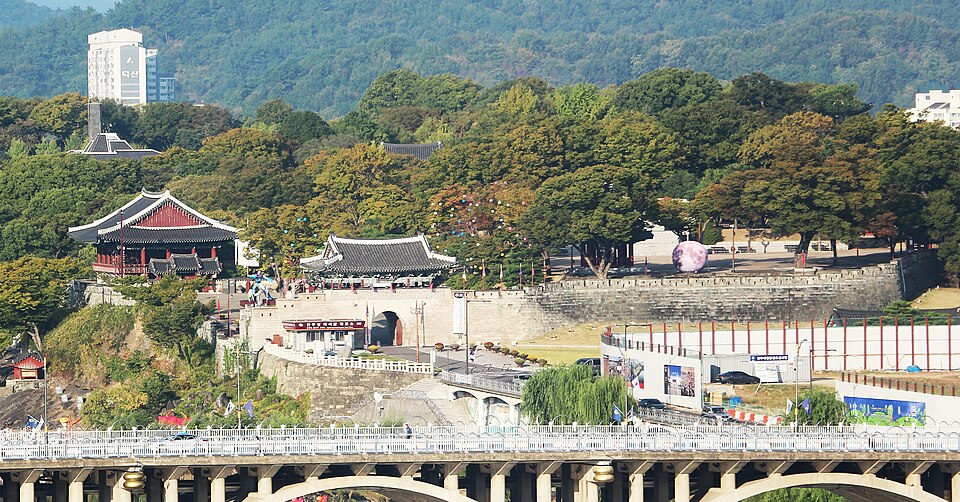
For most travelers, one night is enough to see the main sights at a relaxed pace. Jinju is also particularly atmospheric in autumn, when the city hosts the Jinju Namgang Yudeung Festival along the river.
Hadong – Best for Tea Culture and Nature
Hadong offers a quieter side of Gyeongsangnam-do, with tea fields, mountain scenery, riverside landscapes, and small rural communities. It is especially appealing if you want a break from busy cities and coastal sightseeing.
The Hwagae area is the heart of Hadong’s tea culture, with traditional tea-growing areas near the foothills of Jirisan Mountain. You can visit the Hadong Tea Museum, explore nearby tea gardens, and continue toward Ssanggyesa Temple and the Hadong section of Jirisan National Park.
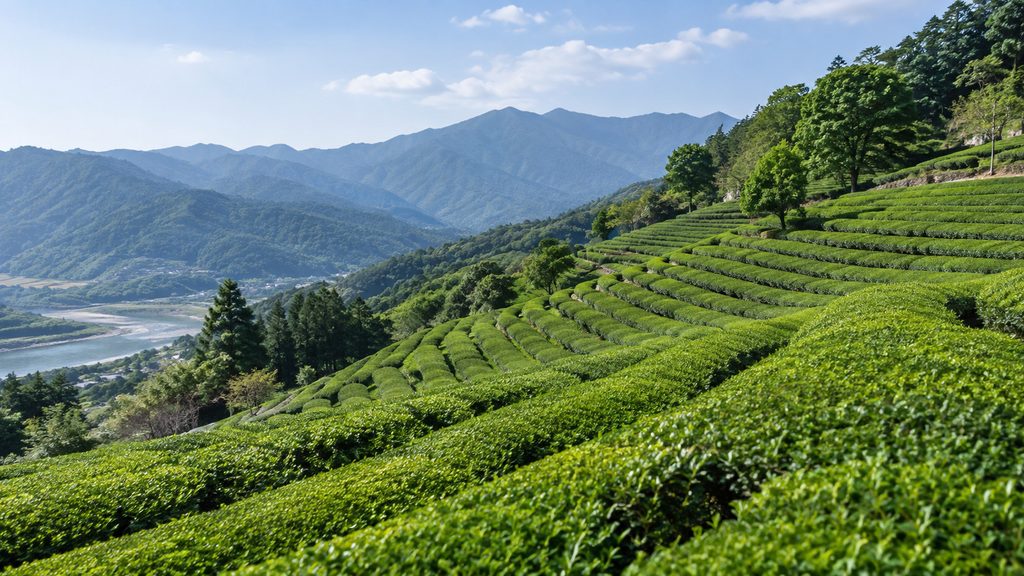
Hadong works best as a slow one- or two-day trip. A car makes it easier to explore the countryside, but travelers without one can still focus on Hwagae and a smaller number of nearby sights instead of trying to cover the entire county.
Changwon & Jinhae – Best for Spring Cherry Blossoms
Changwon is worth considering at any time of year, but its Jinhae district becomes one of Gyeongsangnam-do’s most popular destinations in spring. The Jinhae Gunhangje Festival fills the area with cherry blossoms, events, and large crowds, usually around late March and early April.
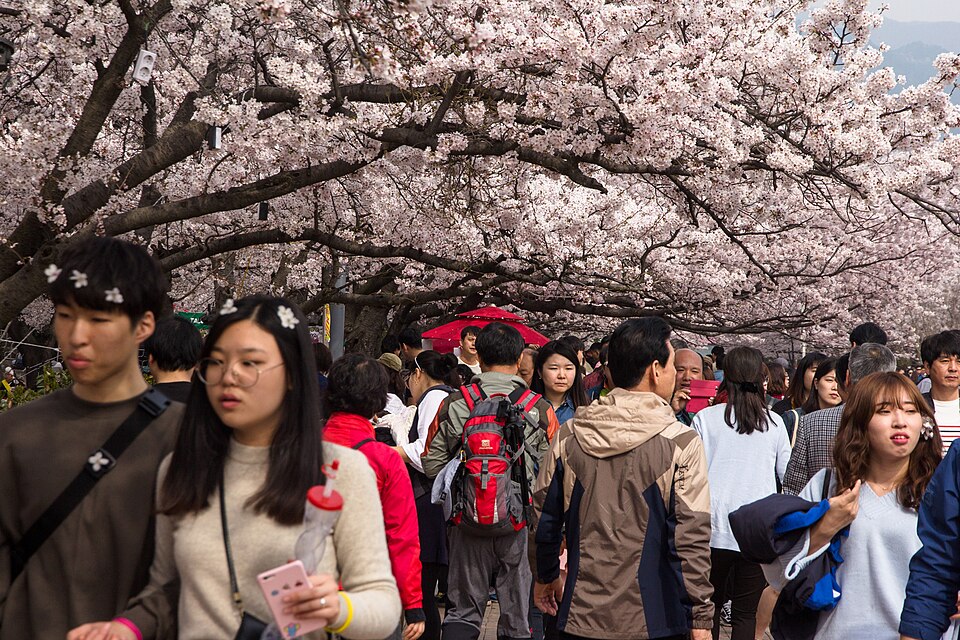
Two of the best-known blossom spots are Yeojwacheon Stream and Gyeonghwa Station, where rows of cherry trees create some of Jinhae’s most recognizable spring scenery. Outside the festival period, Jinhae is much quieter and works better as a short stop rather than a major base for a first trip to the province.
If cherry blossoms are the main reason for your visit, check the official festival dates shortly before your trip. Blooming conditions and festival schedules can shift from year to year.
How Many Days Do You Need in Gyeongsangnam-do?
Gyeongsangnam-do is large enough that trying to see the whole province in a few days usually means spending too much time in transit. A better approach is to choose one part of the province and combine nearby destinations.
For a first trip, three to five days gives you enough time to experience more than one area without rushing.
| Trip length | Good combination | Best for |
| 1–2 days | Tongyeong or Jinju | One focused city or coastal stop |
| 2–3 days | Tongyeong + Geoje | Classic southern coast trip |
| 3–4 days | Hadong + Namhae | Nature, tea culture and slower travel |
| 4–5 days | Tongyeong + Geoje + Jinju, or add Jinhae in spring | A broader first look at Gyeongsangnam-do |
If you are traveling by public transportation, keep the itinerary simpler and stay longer in fewer places. Travelers with a rental car have much more flexibility in Geoje, Namhae, and rural Hadong, where attractions are more spread out.
You also do not need to include every destination in this guide. A well-planned Tongyeong and Geoje trip can be more enjoyable than racing through five different cities in four days.
How to Get to Gyeongsangnam-do
The best way to reach Gyeongsangnam-do depends on which part of the province you are visiting. Busan is the most practical gateway for many coastal destinations, while trains and direct intercity buses make several inland cities accessible from Seoul.
If you are coming from Seoul, rail is convenient for destinations such as Jinju and the Changwon area, while direct intercity buses serve places including Tongyeong, Geoje, Namhae, Hadong, and Jinju. Always search your exact destination before booking because different bus routes can leave from different terminals in Seoul.
Gimhae International Airport has direct intercity bus connections to destinations including Changwon and Geoje. For Tongyeong, current tourism guidance recommends traveling via Busan Seobu Intercity Bus Terminal, so check the route for your exact destination before traveling.
| Starting point | Best option | Good for |
| Seoul | Train or direct intercity bus | Jinju, Changwon area and longer-distance regional trips |
| Busan | Intercity bus | Tongyeong, Geoje and other southern coastal destinations |
| Gimhae Airport | Direct regional bus or transfer via Busan | Travelers flying directly into southeastern Korea |
| Within Gyeongsangnam-do | Bus, taxi or rental car | Moving between smaller cities, islands and rural areas |
If you are using Busan as your starting point, our Busan Travel Guide covers the city’s main areas, transportation, and practical tips for first-time visitors.
Official train booking: KORAIL
Official Korea Express & Intercity Bus Guide
Getting Around Gyeongsangnam-do
Public transportation works well for traveling between the province’s main cities, but getting around once you arrive can be a different story. Tongyeong and Jinju are relatively manageable without a car, while Geoje, Namhae, and rural Hadong require more planning because attractions are spread farther apart.
Local buses are available throughout the region, but services in smaller towns and rural areas may run less frequently than travelers are used to in Seoul or Busan. A T-money card is useful for local public transportation, so you do not need to buy a separate transit card just for Gyeongsangnam-do.
A rental car becomes much more useful if your itinerary includes coastal drives, remote beaches, tea-growing areas, or several countryside stops in one day. If you prefer not to drive, keep each day focused on fewer attractions and use taxis selectively when local bus connections are inconvenient.
Should You Rent a Car?
You do not need a rental car for every Gyeongsangnam-do itinerary. If you are staying mainly in Tongyeong or Jinju, public transportation and taxis can be enough.
Consider renting a car if you plan to explore Geoje, Namhae, Hadong, or several rural destinations in the same trip. International visitors generally need a valid International Driving Permit, a passport, and must meet the rental company’s age and payment requirements.
Official Korea Driving & Rental Car Guide
Best Time to Visit Gyeongsangnam-do
Gyeongsangnam-do can be visited year-round, but spring and autumn are the easiest seasons for sightseeing thanks to milder temperatures and strong seasonal attractions.
Spring is especially popular for cherry blossoms in Jinhae and Hadong, while summer suits travelers heading to Geoje and other coastal areas. Autumn brings cooler hiking weather, fall foliage around the Jirisan area, and major cultural events such as the Jinju Namgang Yudeung Festival.
Winter is quieter across much of the province. It can work well if you prefer fewer crowds, but coastal winds and cold weather make it less suitable for beach-focused trips.
| Season | Best for | Good destinations |
| Spring | Cherry blossoms, mild weather | Jinhae, Hadong |
| Summer | Beaches, islands, coastal trips | Geoje, Tongyeong, Namhae |
| Autumn | Hiking, foliage, festivals | Jinju, Hadong, Jirisan area |
| Winter | Quieter travel, fewer crowds | Cities and selected coastal stops |
Official Jinju Namgang Yudeung Festival Information
Where to Stay in Gyeongsangnam-do
There is no single best base for the entire province. Choose your accommodation based on which part of Gyeongsangnam-do you plan to explore, especially if you are traveling without a car.
Tongyeong is one of the most convenient choices for a first trip because the harbor, Jungang Market, Dongpirang Village, restaurants, and several central sights are relatively close together. Geoje and Namhae offer more resort-style and coastal stays, but choosing the right location matters because attractions are spread across a much wider area.
Accommodation throughout the region ranges from conventional hotels and guesthouses to pensions, resorts, and smaller countryside stays. For rural areas such as Hadong or Namhae, check transportation and check-in details before booking rather than choosing a property based only on the view.
| Base | Best for | Where to focus | Common stay types |
| Tongyeong | First-time visitors, no-car trips | Central harbor / Jungang Market area | Hotels, guesthouses |
| Geoje | Beaches, coastal drives | Choose according to your main sightseeing area | Hotels, resorts, pensions |
| Namhae | Slow trips, couples, road trips | Near the part of the island you plan to explore most | Pensions, small hotels, countryside stays |
| Jinju | History, short city stays | Central area near major sights and transport | Hotels, business hotels |
| Hadong | Tea culture, Jirisan, quiet stays | Hwagae or near your main countryside route | Guesthouses, pensions, rural stays |
If you are relying on buses, location is usually more important than getting the most scenic room. A cheaper stay far from the bus terminal or the attractions you want to visit can cost you more time and taxi fares than you save on accommodation.
Suggested Gyeongsangnam-do Itineraries
You do not need to see every major destination on one trip. The most practical itineraries combine places that are relatively close together and avoid unnecessary backtracking.
| Trip length | Suggested route | Overnight bases | Best for |
| 2 days | Tongyeong → Geoje | Tongyeong or Geoje | First coastal trip |
| 3 days | Hadong → Namhae | Hadong + Namhae | Tea, countryside and slow travel |
| 5 days | Jinju → Tongyeong → Geoje | Jinju + Tongyeong/Geoje | A broader first trip |
For a two-day trip, spend the first day around central Tongyeong and use the second for Geoje. The two destinations are connected by road, making this one of the easiest combinations for travelers who want a concentrated southern-coast itinerary.
A three-day Hadong and Namhae trip is better for travelers who prefer a slower pace. Spend time around Hwagae and the tea-growing areas before continuing south toward Namhae’s coastal roads and villages. This route is much easier with a rental car.
With five days, you can combine Jinju, Tongyeong, and Geoje without changing locations every few hours. Jinju adds history and a compact city stop before the trip shifts toward the coast.
Practical Tips for Visiting Gyeongsangnam-do
Traveling around Gyeongsangnam-do is easier if you prepare a few things before leaving the major cities.
- Use NAVER Map for local navigation. It provides English map support and public transportation directions throughout Korea, which is especially useful when traveling between smaller cities and rural areas.
- Keep mobile data available. Bus schedules, navigation, restaurant information, and last-minute route changes are much easier to handle with a working SIM or eSIM.
- Save important place names in Korean. Some rural bus stops, small restaurants, pensions, and local attractions may be easier to identify using their Korean names.
- Check opening hours before long rural journeys. Museums, temples, cable cars, ferries, and small attractions may have seasonal closures, weather restrictions, or irregular schedules.
- Allow extra travel time outside major cities. A route that looks short on a map can take much longer when buses run infrequently or require transfers.
NAVER Map Download: Android | iPhone
If this is your first trip to Korea, our Korea Travel Tips for First-Time Visitors guide covers payment, navigation, connectivity, etiquette, and other basics worth knowing before you travel outside the major cities.
Official 1330 Korea Travel Helpline
Gyeongsangnam-do Travel FAQ
What is the best place to visit first in Gyeongsangnam-do?
For many first-time visitors, Tongyeong is the easiest starting point. It combines a walkable harbor area, food, coastal scenery, and access to nearby islands without requiring a car for every part of the trip.
Do I need a car in Gyeongsangnam-do?
Not necessarily. Tongyeong and Jinju are relatively manageable with buses and taxis. A rental car becomes much more useful in Geoje, Namhae, and rural Hadong, where attractions are spread farther apart.
Can I visit Gyeongsangnam-do from Busan?
Yes. Busan is a practical gateway to southern Gyeongsangnam-do, especially for Tongyeong, Geoje, Changwon, and Jinhae. Some destinations work as day trips, but staying overnight usually gives you more time and reduces the amount of the day spent in transit.
Is Tongyeong or Geoje better?
Choose Tongyeong if you want a compact harbor city with food, sightseeing, and easier public transportation. Choose Geoje if beaches, islands, coastal scenery, and driving are more important to you. Combining both works well if you have two or three days.
Traveling farther north? Our Gyeongsangbuk-do Travel Guide covers Gyeongju, Andong, Pohang, and other destinations in the neighboring province.
Final Thoughts
Gyeongsangnam-do is best explored by choosing a small number of destinations that match your travel style rather than trying to cover the entire province at once.
For a first coastal trip, Tongyeong and Geoje make an easy combination. Choose Namhae for slower road trips, Jinju for history, Hadong for tea and nature, and Jinhae if you are visiting during cherry blossom season.
Plan around realistic travel times, keep your itinerary focused, and Gyeongsangnam-do can be one of the most rewarding regions to explore beyond Korea’s major cities.