
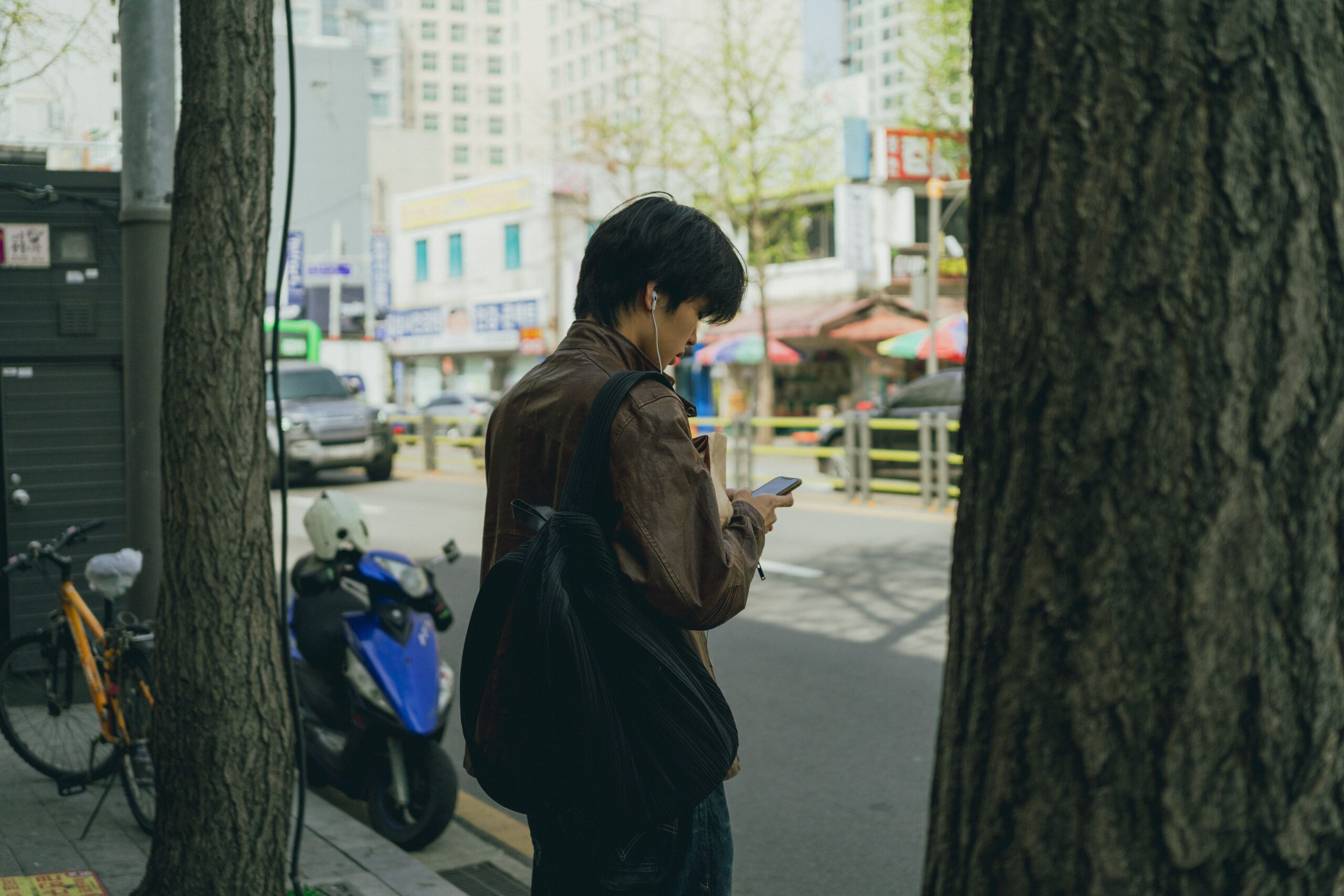
Getting mobile data in South Korea is easy, but choosing the right SIM card or eSIM can be more confusing than it first appears.
For a short trip, a travel eSIM may be the simplest and cheapest option. But if you need a Korean 010 phone number, local calls, SMS messages, or easier access to services that ask for a Korean number, a tourist SIM or eSIM from a Korean carrier may make more sense.
The important part is knowing what you actually need before you buy. A Korean phone number does not automatically mean that you can use Korea’s full real-name identity verification system, and some cheap SIM cards sold in convenience stores are only starter SIMs for local mobile plans rather than ready-to-use tourist SIM cards.
This guide compares Korean carrier SIMs and eSIMs, travel eSIMs, airport and convenience-store options, typical prices, phone-number features, activation rules, and the best choices for short trips, longer stays, and travelers visiting more than one country.
- Korea SIM & eSIM: Quick Answer
- First Decide: Data Only, a Korean 010 Number, or Identity Verification?
- eSIM vs Physical SIM vs Pocket Wi-Fi
- Best Korea SIM & eSIM Options Compared
- How Much Does a Korea SIM or eSIM Cost?
- Where to Buy a SIM or eSIM in Korea
- Which SIM or eSIM Is Best for Your Korea Trip?
- How to Activate a SIM or eSIM in Korea
- Do You Need a Korean Phone Number in Korea?
- How Much Mobile Data Do You Need in Korea?
- Can You Keep Your Home SIM While Using a Korea eSIM?
- What to Do If Your SIM or eSIM Does Not Work in Korea
- Frequently Asked Questions About SIM Cards and eSIMs in Korea
- Final Thoughts: Choosing the Right SIM or eSIM for Korea
Korea SIM & eSIM: Quick Answer
| Your Situation | Best Option to Start With | Why |
| 3–7-day trip, mostly maps and messaging | Travel eSIM | Easy to buy before departure and usually cheaper |
| You need a Korean 010 number | Korean carrier tourist SIM or eSIM | Better for local calls, texts and services that ask for a Korean number |
| You want unlimited high-speed data | SKT, KT or LG U+ tourist plan | Local carrier plans can be better for heavy data use |
| You prefer a physical SIM | Airport tourist SIM | Staff can help with activation and passport checks |
| Staying for 1–3 months | Long-validity tourist or foreigner prepaid SIM | More practical than buying several short eSIM plans |
| Visiting Korea plus Japan or other countries | Regional eSIM | One plan can cover multiple destinations |
For most first-time tourists who only need Google searches, NAVER Map, KakaoTalk, WhatsApp, translation apps, and social media, a data-focused travel eSIM is usually the easiest option.
However, travelers who need a Korean 010 number or local voice and SMS service should compare tourist products from SK Telecom, KT, and LG U+ before choosing a data-only eSIM.
One important limitation: even a tourist SIM that gives you a Korean phone number may not support the full real-name identity verification used by Korean banks, government websites, and some domestic online services.
First Decide: Data Only, a Korean 010 Number, or Identity Verification?
Before comparing prices, decide what you actually need your Korean SIM or eSIM to do.
For many tourists, mobile data is enough. But a traveler who needs a Korean phone number, incoming text messages, or local calls may need a different product from someone who only wants maps and messaging apps.
The most important thing to understand is that mobile data, a Korean 010 phone number, SMS verification, and Korean real-name identity verification are not the same thing.
If You Only Need Mobile Data
A data-only travel eSIM is usually the simplest choice if you mainly need internet access for NAVER Map, Google Maps, Papago, KakaoTalk, WhatsApp, email, web searches, social media, and online bookings.
You can continue using internet-based messaging and calling apps with mobile data even if the eSIM does not include a Korean phone number.
For a short trip, this is often the cheapest and easiest setup because you can buy and install the eSIM before arriving in Korea.
If You Need a Korean 010 Phone Number
Some Korean carrier tourist SIM and eSIM plans provide a 010 Korean mobile number. This can be useful if you want to receive local calls or text messages, make restaurant reservations, or use services that ask for a Korean contact number.
However, do not assume that every Korean tourist eSIM includes voice and SMS. Some products are data-only, while others require you to select or add a voice and SMS option.
If having a Korean number is important, check the exact product features before paying rather than choosing based only on data allowance or price.
SMS Verification Is Not the Same as Korean Identity Verification
This is one of the most common points of confusion for foreign visitors.
A tourist SIM with voice and SMS may let you receive verification texts for practical services such as restaurant or taxi reservation apps. That does not mean the SIM supports Korea’s full real-name identity verification system.
For example, LG U+ states that its tourist Voice/SMS service can support SMS verification for restaurant and taxi reservation apps, but it does not support identity verification for banking or government services. Its data-only service does not support SMS verification.
KT also requires an Entry Check before voice and SMS services can be used on its tourist SIM or eSIM products.
Which One Do You Actually Need?
| What You Need | What to Look For | Usually Best For |
| Maps, messaging and internet | Data-only eSIM | Most short-term tourists |
| Korean 010 phone number | Tourist SIM/eSIM with Korean number | Travelers who need local contact details |
| Local calls and texts | Voice/SMS-enabled tourist plan | Reservations, local calls and text messages |
| Restaurant or taxi SMS codes | Voice/SMS plan that supports SMS verification | Travelers using services that require text confirmation |
| Bank or government identity verification | Standard tourist SIM may not be enough | Longer-term residents who need registered mobile identity |
| Internet in Korea only | Korea-only plan | Travelers visiting only South Korea |
For most tourists, data only is enough. If you know that you will need a Korean 010 number or SMS verification, choose a Korean carrier tourist plan that clearly includes those features.
If your goal is Korean real-name identity verification for banking, government services, or other resident-focused services, a standard tourist SIM should not be assumed to solve that problem.
eSIM vs Physical SIM vs Pocket Wi-Fi
There is no single best option for every traveler. The right choice depends on your phone, the number of people traveling with you, whether you need a Korean phone number, and how much inconvenience you are willing to deal with during your trip.
| Option | Best For | Main Advantages | Main Drawbacks | What You Need |
| eSIM | Most solo travelers and short trips | Buy before arrival, no physical card, keep your home SIM installed | Requires an eSIM-compatible and unlocked phone | Compatible unlocked smartphone |
| Physical SIM | Travelers who want a Korean number or prefer in-person setup | Easy to understand, staff can help at airport counters, works on many phones without eSIM | You may need to remove your home SIM, and activation can require passport verification | Unlocked phone with a SIM slot |
| Pocket Wi-Fi | Families, groups, or travelers with several devices | Multiple devices can share one connection, no SIM compatibility issue | Extra device to charge, carry and return; group can lose internet if separated | Passport, rental pickup, and device return |
What I Would Choose
For most solo tourists, eSIM is the simplest option.
Choose a physical SIM if you need help with setup, your phone does not support eSIM, or a Korean phone number and local voice/SMS features are important.
Choose Pocket Wi-Fi mainly when several people will stay together most of the day or when you need to connect multiple devices without changing SIM cards.
Best Korea SIM & eSIM Options Compared
Korea has two main types of mobile plans for visitors: tourist products sold directly by Korean carriers, and international travel eSIMs that you can buy online before your trip.
Korean carrier plans usually cost more, but they can be better if you want a Korean phone number, local calls, or SMS. Travel eSIMs are often cheaper and easier to install, but most are designed primarily for mobile data.
Prices and promotions change, so use the figures below as a practical comparison rather than a permanent price list.
| Provider | Typical Price Example | Korean Number | Calls / SMS | Best For | Main Catch |
| SK Telecom | ₩12,000 / 2 days; ₩35,000 / 7 days; ₩71,500 / 30 days | Korean mobile number | Incoming free after passport verification; outgoing requires top-up | Travelers wanting a local carrier and heavy data use | Tourist use only; identity verification is limited |
| KT | About ₩12,100 / 2 days; ₩35,000 / 7 days; ₩71,500 / 30 days | Yes, 010 number | Voice/SMS options require Entry Check | Travelers who want a 010 number and airport support | Voice/SMS setup may require an airport counter visit |
| LG U+ | ₩6,500 / 1 day; ₩18,000 / 3 days; ₩27,500 / 5 days | Yes, 010 number | Data-only or Data + Voice options | Travelers wanting unlimited data and a local number option | Voice features require passport verification |
| Airalo | From $4; 5GB / 7 days around $10 | Usually no Korean number | Most Korea plans are data-only | Short trips and easy pre-trip setup | Unlimited plans may slow after a daily high-speed allowance |
| Saily | From $3.99; 5GB / 30 days around $10.99 | No Korean 010 number | Mainly data; optional phone-number service uses a US number | Budget-conscious data users | Not suitable if you specifically need a Korean number |
| Nomad | From about $4 | No usable Korean phone number | No traditional calls or SMS | Low-cost travel data and multi-country trips | Check the exact plan for network and speed conditions |
SK Telecom Tourist eSIM
SK Telecom is a strong option if you want to buy directly from one of Korea’s major mobile carriers rather than use an international travel eSIM provider.
The prices and features below refer specifically to SK Telecom’s eSIM (Data, Call, SMS) product, not its separate data-only eSIM.
Its tourist eSIM currently offers unlimited mobile data with speeds of up to 100Mbps. Plans range from 2 days to 90 days, making it useful not only for short vacations but also for visitors staying several weeks.
Current examples include ₩12,000 for 2 days, ₩18,000 for 3 days, ₩35,000 for 7 days, ₩38,500 for 10 days, and ₩71,500 for 30 days.
Incoming domestic calls and text messages are free after passport information has been verified. If you want to make outgoing calls or send text messages, you need to add prepaid credit.
One advantage is that mobile data can be used even before passport verification is completed. Voice and SMS functions, however, become available only after your passport information has been verified.
There are also two important limitations. SK Telecom states that its tourist eSIM does not support Korean personal authentication services or verification texts used for payments. It is intended for short-term foreign visitors staying in Korea for up to 90 days.
Another detail worth knowing is activation timing. For SK Telecom’s tourist eSIM, the usage period is calculated in 24-hour increments from the time you scan and install the eSIM QR code. For that reason, do not install it too early unless you are ready for the validity period to begin.
Best for: Travelers who want a Korean carrier, use a lot of data, or are staying longer than a typical one-week vacation.
Main downside: It costs more than many data-only travel eSIMs, and having the tourist SIM does not give you full Korean real-name identity verification.
Buy a SK Telecom Korea eSIM
KT Tourist eSIM
KT is another strong option if you want a tourist eSIM directly from a major Korean mobile carrier.
KT’s tourist eSIM provides a Korean mobile number beginning with 010 and offers high-data plans for stays ranging from a few days to several weeks. The service is designed for foreign visitors staying in Korea for up to 90 days.
Current official prices include ₩12,100 for 2 days, ₩18,000 for 3 days, ₩27,500 for 5 days, ₩35,000 for 7 days, ₩38,500 for 10 days, and ₩71,500 for 30 days. Longer 60-day and 90-day options are also available.
KT provides 11GB of high-speed data per day. After the daily allowance is used, data continues at up to 5Mbps, and the high-speed allowance resets at midnight.
A Korean 010 number is included, but there is an important difference between having a number and being able to use all of its voice and SMS functions. KT requires an Entry Check before voice and SMS services can be used. This verification is completed at a KT Roaming Center at the airport.
If you only need mobile data, you can purchase a data eSIM online. Travelers who specifically want outgoing calls or SMS should pay close attention to the product type and may need to visit a KT airport counter for the appropriate prepaid voice service.
KT’s tourist SIM and eSIM should also not be confused with full Korean identity verification. KT states that its tourist SIM cannot be used for Korean personal authentication services.
One particularly important eSIM rule is that the QR code can only be used once. Do not delete the KT eSIM after installing it. KT states that the QR code cannot be reissued, and if the installed eSIM is deleted, you will need to purchase a new one.
The validity period is counted in 24-hour units from the time the eSIM installation is completed. KT also allows extensions, but the total period from the first activation cannot exceed 90 days.
Best for: Travelers who want a Korean 010 number, generous daily high-speed data, and access to in-person support at major Korean airports.
Main downside: Voice and SMS functions require an Entry Check, and deleting the installed eSIM can mean buying a completely new plan.
LG U+ Tourist SIM and eSIM
LG U+ is another good choice if you want service directly from a major Korean mobile carrier, especially if you prefer unlimited data without a daily high-speed data allowance.
Current eSIM prices start at ₩6,500 for 1 day, ₩12,000 for 2 days, ₩18,000 for 3 days, ₩23,000 for 4 days, and ₩27,500 for 5 days. Longer validity options are also available.
LG U+ advertises its tourist eSIM as unlimited 5G/LTE data without a standard speed cap or daily throttling allowance. However, speeds may still be managed during periods of unusually heavy network congestion.
The plan also provides a Korean mobile number. With the Data Only option, you can use mobile data and receive incoming calls or texts, but you cannot make outgoing calls or send text messages. LG U+ also states that SMS verification is not supported on its Data Only service.
If you need outgoing calls and texts, choose a Data + Voice option. These plans require passport verification, and LG U+ currently directs customers who need voice service to complete the process through an airport counter.
This distinction is particularly useful for travelers who need reservation messages. LG U+ states that its Voice/SMS service can receive SMS verification for services such as restaurant and taxi reservation apps. However, it does not support Korean real-name identity verification for banking or government services.
The eSIM can be purchased before your trip and must be activated within 60 days of purchase. The actual usage period begins when you first use mobile data, rather than simply when you buy the plan.
Hotspot and tethering are supported, which makes LG U+ a useful option if you occasionally need to share your connection with a laptop or another device.
Be careful after installation. An activated LG U+ eSIM cannot be reinstalled or reissued after it is deleted, and paid eSIM purchases are generally non-refundable.
Best for: Travelers who want unlimited data directly from a Korean carrier, need a Korean number, or want an option that can also support local voice and SMS.
Main downside: Data + Voice service requires additional passport verification, and a tourist SIM still does not provide full Korean real-name identity verification.
Airalo South Korea eSIM
Airalo is one of the easiest options for travelers who want to arrange mobile data before flying to Korea without visiting an airport counter or changing to a Korean carrier plan.
Its South Korea eSIM currently uses the SK network and offers both fixed-data and unlimited packages. Current fixed-data examples include 1GB for 3 days at $4, 5GB for 7 days at $10, 10GB for 30 days at $19, and 20GB for 30 days at $30.
Unlimited plans are also available, starting at $12 for 3 days, $20 for 5 days, $29 for 7 days, and $69 for 30 days.
However, “unlimited” does not necessarily mean unlimited full-speed data. Airalo currently states that its Korea unlimited plan is reduced to 1Mbps after 3GB of usage per day. The high-speed allowance resets daily.
Airalo’s standard South Korea plans are primarily data eSIMs, so they should not be chosen if your main reason for buying a SIM is to get a Korean 010 phone number for local calls or SMS.
You can install the eSIM before traveling as long as you have an internet connection. It connects once you are in the coverage area, making it useful for travelers who want mobile data ready soon after landing.
Airalo also sells regional Asia and global eSIMs. These can make more sense if Korea is only one stop on a longer trip rather than your only destination.
Best for: Short-term tourists who mainly need data and want to set everything up before departure.
Main downside: Most travelers will not get a Korean 010 number, and unlimited plans have a daily high-speed data threshold.
Buy an Airalo South Korea eSIM
Saily South Korea eSIM
Saily is another convenient data eSIM option, particularly for travelers who want a relatively inexpensive plan that can be installed before arriving in Korea.
Current South Korea plans start at around $3.99 for 1GB for 7 days, with examples such as 3GB for 30 days at $8.99, 5GB at $10.99, 10GB at $18.99, and 20GB at $29.99. Unlimited options are also available.
The plan normally activates automatically when you arrive in South Korea and connect with the Saily eSIM and data roaming enabled. Saily currently allows purchased plans to remain available for activation for up to 180 days.
Hotspot use is supported without a specific hotspot restriction on the South Korea plan.
Saily now also offers an optional phone-number service, but there is an important detail for Korea travelers: the number is a U.S. +1 phone number, not a Korean 010 number.
That means the phone-number feature can be useful for ordinary calling and texting, but it is not a substitute for a Korean tourist SIM if you specifically need a Korean local number for Korean services.
Saily also sells regional and global plans, including options covering Korea and other destinations. This can be useful if your itinerary includes several countries and you prefer keeping one travel eSIM installed.
Best for: Budget-conscious travelers who mainly need data and want a simple pre-trip eSIM setup.
Main downside: Its optional phone number is a U.S. number, so it does not solve the need for a Korean 010 number.
Nomad South Korea eSIM
Nomad is worth comparing with Airalo and Saily because its Korea plans are currently very competitively priced and connect through major Korean mobile networks.
Current fixed-data options include approximately 1GB for 7 days at $4, 3GB for 30 days at $8, 5GB at $10, 10GB at $18, 20GB at $28, and 50GB at $39.
Nomad also currently offers unlimited plans at around $11 for 3 days, $18 for 5 days, $25 for 7 days, and $33 for 10 days.
Its South Korea product page lists SK Telecom, KT, and LG U+ as local network partners, although the exact network available can depend on the specific plan.
Hotspot and tethering are supported. You can also keep your primary home SIM installed while using the Nomad eSIM for mobile data, as long as your phone supports the setup and you select the Nomad eSIM for cellular data.
Plans can generally be purchased and installed before departure. Nomad currently requires activation within 60 days of purchase, and the plan normally begins when it connects to the destination network.
Nomad’s South Korea eSIMs are data-only and do not provide a usable Korean phone number, traditional voice calls, or SMS. If you need a Korean 010 number or SMS verification, choose a Korean carrier tourist SIM or eSIM instead.
Nomad is also particularly interesting for multi-country trips. It sells a China-Japan-Korea regional eSIM as well as broader APAC and global plans, so travelers visiting Korea and Japan on the same trip may not need separate country eSIMs.
Best for: Travelers looking for competitive data prices, hotspot support, or a Korea-plus-Japan/Asia itinerary.
Main downside: Nomad’s South Korea eSIM is data-only, so it is not suitable if you need a Korean 010 number, traditional calls, or SMS.
How Much Does a Korea SIM or eSIM Cost?
You do not need to spend a lot to get connected in Korea. A basic travel eSIM can cost only a few dollars, while a tourist plan from a Korean carrier usually costs more but may include a Korean phone number, local-network support, and more generous data.
The cheapest advertised plan is not always the best deal. A $4 eSIM may include only a small amount of data, while a more expensive Korean carrier plan may include unlimited or very high daily data allowances.
As a rough guide, this is what you can expect to spend:
| Your Situation | Travel eSIM Budget | Korean Carrier Budget | Practical Choice |
| 3–5-day trip | About $4–$20 | About ₩18,000–₩27,500 | Travel eSIM for data only; Korean carrier if you need a local number |
| 7-day trip | About $9–$29 | Around ₩35,000 | Fixed-data eSIM is cheapest; unlimited or local-number plans cost more |
| 30-day trip | About $8–$30 for many fixed-data plans | Around ₩70,000 | Compare total data carefully rather than just validity |
| Need a Korean 010 number or local voice/SMS | Usually not included | Usually more expensive than data-only travel eSIMs | Start with SKT, KT or LG U+ tourist plans |
For a typical one-week tourist who mainly uses maps, messaging, translation apps, restaurant searches, and social media, around $10–$20 can be enough for a data-focused travel eSIM.
If you want unlimited data, a Korean 010 number, local calls, or SMS features, budgeting roughly ₩30,000–₩40,000 for a one-week Korean carrier plan is more realistic.
For a month-long stay, do not automatically assume that a 30-day tourist carrier plan is the cheapest option. Travelers who use only a moderate amount of data may save money with a fixed-data travel eSIM, while heavy users or people who need Korean phone features may get more value from a local carrier or prepaid SIM.
Prices, exchange rates, and promotions change frequently, so always check the final price and included features before purchasing.
Where to Buy a SIM or eSIM in Korea
You can arrange mobile service before your flight or wait until you arrive in Korea. The best place to buy depends on whether you want maximum convenience, in-person help, a Korean phone number, or the lowest possible price.
For most short-term visitors, buying an eSIM online before departure or using an official carrier counter at the airport is the least confusing option.
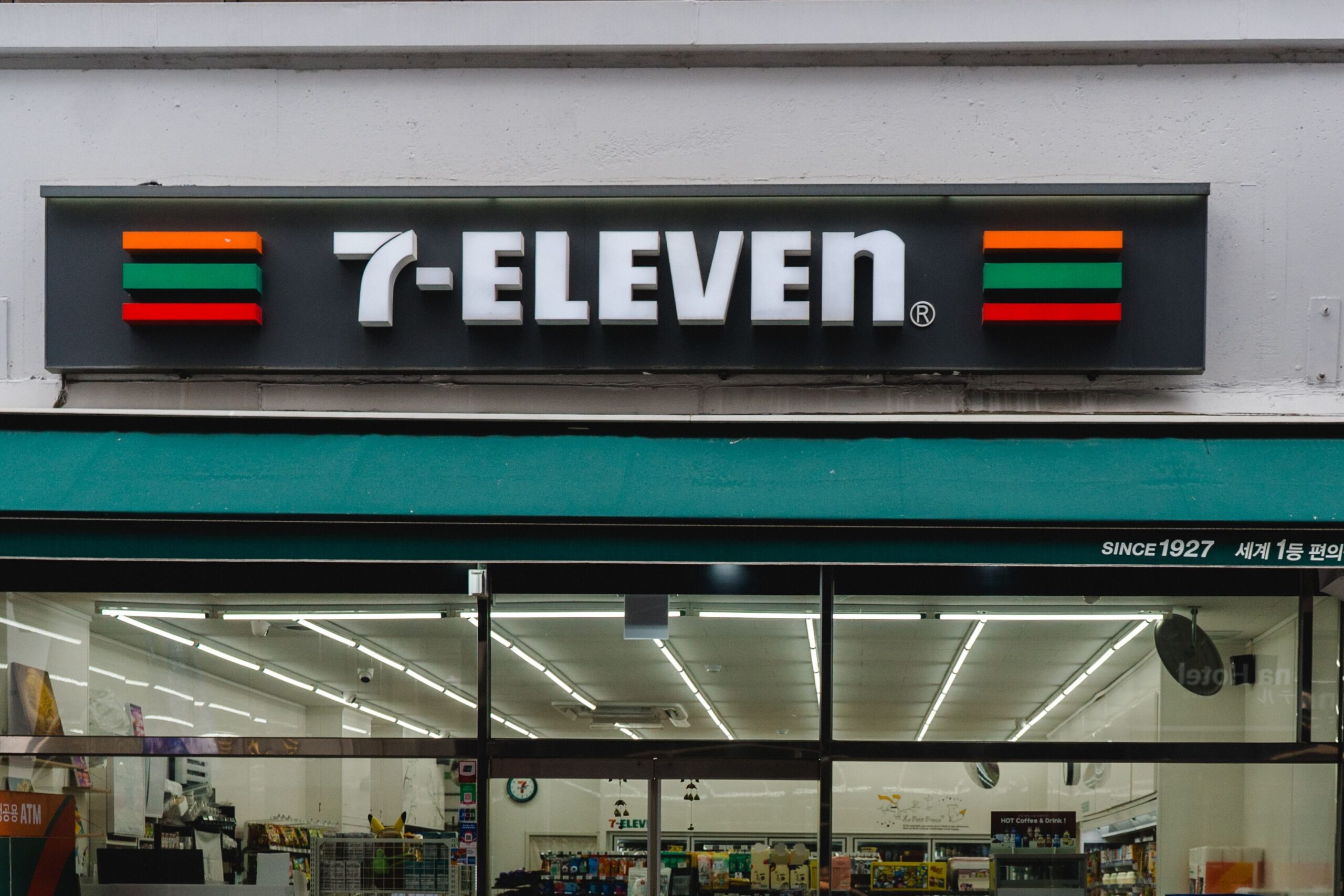
Convenience stores can also be useful, but there is an important catch: not every SIM card hanging on a CU, GS25, 7-Eleven, or emart24 shelf is a ready-to-use tourist SIM.
Before You Fly
If your phone supports eSIM and is carrier-unlocked, buying online before departure is usually the easiest option.
Travel eSIMs such as Airalo, Saily, and Nomad can be purchased without visiting a store, while Korean carrier and tourist eSIM providers also offer plans that can be arranged before arrival.
Buying in advance gives you time to check compatibility, read the activation instructions, and save your QR code before traveling.
Do not activate or install a plan too early unless you have checked when its validity period begins. Activation rules vary by provider.
Buying a SIM at Incheon Airport
Incheon Airport is one of the easiest places to buy a Korean tourist SIM if you prefer face-to-face help.

SK Telecom, KT, and LG U+ operate airport roaming counters, and tourist SIM products are also available through selected airport convenience stores and pickup services.
Buying at the airport can cost more than the cheapest online travel eSIM, but staff assistance is useful if you need passport verification, voice and SMS service, or help installing and activating your SIM.
It is also a good choice if your phone does not support eSIM or if you did not arrange mobile service before leaving home.
If you are arriving late at night, check the counter location and opening hours before relying on a specific carrier. Some Incheon Airport carrier counters operate 24 hours, while others close at night.
For terminal information, airport transportation, and other arrival essentials, see our Incheon Airport Guide.
Buying a SIM at Convenience Stores in Korea
Convenience stores can be a useful backup if you arrive in Korea without a SIM, but not every SIM card sold at a convenience store is designed for tourists.
Foreign visitors can find prepaid tourist SIMs at selected convenience stores. The Korea Tourism Organization currently lists CU stores at Incheon Airport and 7-Eleven stores in Seoul, Busan, Jeju, and other major cities as places where travelers may be able to buy a prepaid SIM.
The important difference is that convenience stores also sell regular Korean MVNO USIM starter cards from providers such as SK 7mobile, kt M mobile, and U+ U mobile. These can be much cheaper than a tourist SIM, but the price on the package is usually only the cost of the physical SIM card. You still need to choose a mobile plan and complete the carrier’s activation process.
| Option | Where You Can Get It | Network | Approx. Cost | Korean Number / Calls | Best For |
| Korea SIM Blue+ | Participating CU pickup locations | KT | About US$27.90 for 7 days | Yes — 010 number, calls and texts | Short-term travelers who want a physical tourist SIM |
| Tourist prepaid SIM at 7-Eleven | Selected 7-Eleven stores | Varies by product | Varies by product and duration | Depends on the SIM | Tourists who want to buy after arrival |
| SK 7mobile USIM | CU, GS25, 7-Eleven, emart24 and others | SK Telecom | About ₩6,600–₩8,800 for the SIM + plan | Yes after activation | Longer stays / residents |
| kt M mobile USIM | CU, GS25, 7-Eleven, emart24, StoryWay and others | KT | About ₩3,300–₩8,800 for the SIM + plan | Yes after activation | Longer stays / residents |
| U+ U mobile USIM | CU, GS25, 7-Eleven, emart24, Daiso and others | LG U+ | About ₩5,000–₩8,800 for the SIM + plan | Yes after activation | Longer stays / residents |
| Travel eSIM | Purchased online, not usually from a store shelf | Varies | Varies by provider and plan | Often data-only; check before buying | Short trips and travelers who want service before arrival |
The biggest thing to remember is that tourist SIMs and cheap convenience-store USIMs are not the same product.
A tourist SIM is designed for short-term foreign visitors and is usually much easier to activate with a passport. Domestic MVNO USIMs from providers such as SK 7mobile, kt M mobile, and U+ U mobile may look cheaper, but they normally require a separate mobile plan and additional activation steps.
For most short-term travelers, a tourist SIM or travel eSIM is therefore the simpler choice. If you prefer a physical SIM with a Korean phone number, Korea SIM Blue+ is one option that can be ordered online for pickup at participating CU stores.
If you are staying in Korea for several months, a domestic MVNO plan can be worth considering because monthly service may be cheaper. Just make sure you can meet the provider’s identity, payment, and activation requirements before buying the SIM.
And if you only need mobile data, an eSIM is usually even easier because it can be purchased online and installed before arrival. Just check whether the plan is data-only or includes a Korean phone number, voice calls, and SMS.
Which SIM or eSIM Is Best for Your Korea Trip?
The best option depends less on the carrier and more on how long you are staying, whether you need a Korean phone number, and how much setup you are willing to do.
| Traveler Type | Best Choice | Why | Watch Out For |
| Trip under 1 week | Travel eSIM | Fast setup and no SIM swap | Many plans are data-only |
| 1–3-week trip | Tourist SIM or eSIM | Easy passport activation and flexible data plans | Check whether calls/SMS are included |
| 1–3-month stay | Long-duration tourist SIM or eSIM | Easier than opening a domestic mobile plan | Longer plans can become expensive |
| Student / Working Holiday | Korean prepaid or MVNO plan | Better value for regular long-term use | Activation and ID requirements are more complicated |
| Long-term resident | Korean MVNO or regular carrier plan | Usually better monthly value and full local service | May require Korean registration, payment method, or additional verification |
How to Activate a SIM or eSIM in Korea
Activation is usually straightforward, but the exact process depends on whether you are using a physical SIM or an eSIM.
Before installing either one, make sure your phone is carrier-unlocked. A locked phone may reject a Korean SIM or eSIM even if the device itself is technically compatible.
For a physical tourist SIM, you will normally insert the SIM, restart your phone, and wait for it to connect to the Korean mobile network. Some products require passport registration or identity verification, especially if the plan includes a Korean phone number, voice calls, or SMS.
Keep your original SIM somewhere safe if you remove it during the trip.
For an eSIM, it is usually easiest to install it while you have a stable Wi-Fi connection. Scan the QR code or follow the provider’s manual installation instructions, then select the new eSIM as your mobile data line.

Do not delete the eSIM until your trip is over. Some providers issue a QR code that can only be installed once, meaning you may need to purchase a new eSIM if you delete the profile.
Also check the provider’s instructions for data roaming. Some travel eSIMs require data roaming to be turned on for the eSIM line, while others do not.
If you keep your home SIM active for calls or texts, make sure it is not being used for mobile data unless you intentionally want international roaming charges.
If your SIM or eSIM does not connect after activation, try turning Airplane Mode on and off, restarting the phone, and checking that the correct SIM is selected for mobile data. You should also confirm that the plan’s activation period has actually started and that any required APN settings match the provider’s instructions.
Do You Need a Korean Phone Number in Korea?
For most travelers, a Korean phone number is useful but not essential.
If you mainly use maps, translation apps, messaging, social media, and web browsing, a data-only eSIM can be enough for an entire trip.
A Korean 010 phone number becomes more useful if you want to receive restaurant waiting notifications, make local calls, receive SMS messages, or use certain Korean services that ask for a local number.
However, there is an important distinction:
Having a Korean 010 number does not automatically mean you can use Korean identity verification.
Tourist SIMs activated with a passport can provide a real Korean phone number, but they generally cannot be used for services that require a phone number linked to a Korean resident registration record or foreign resident registration.
This can affect services such as some Korean ticketing websites, Naver Pay, Kakao Pay, and other platforms that require formal identity verification.
On the other hand, a tourist 010 number can still be useful for services that only need a phone number or SMS reception, including some restaurant waiting systems and everyday communication.
So if you only need internet access, do not pay extra for a Korean number unless you actually need one. If local calls, SMS, restaurant notifications, or a 010 number are important to you, choose a tourist SIM or eSIM that specifically includes those features.
How Much Mobile Data Do You Need in Korea?
Most travelers use more mobile data in Korea than they expect because navigation, translation, restaurant searches, transit apps, and messaging are often used throughout the day.
If you mainly use KakaoMap or Naver Map, Google Translate, messaging apps, and occasional web browsing, around 1–3 GB per day is usually comfortable.
You may need more if you regularly watch videos, upload photos and videos, use social media heavily, make video calls, or use your phone as a hotspot.
For a short trip, an unlimited-data plan can be worth paying a little extra for simply because you do not have to monitor your usage. Just check the fine print: some plans advertised as “unlimited” reduce your speed after you use a certain amount of high-speed data each day.
If you choose a limited-data plan, downloading offline maps, hotel information, tickets, and entertainment over Wi-Fi before heading out can help reduce mobile data use.
For most first-time visitors, a generous daily allowance or an unlimited plan is usually more convenient than trying to save a few dollars with a very small data package.
Can You Keep Your Home SIM While Using a Korea eSIM?
Yes. If your phone supports Dual SIM or Dual SIM with eSIM, you can usually keep your regular home SIM active while using a Korean or travel eSIM for mobile data.
This is useful if you still need to receive messages or verification codes sent to your usual phone number during your trip.
The safest setup is to:
- set the Korea eSIM as your mobile data line;
- turn data roaming off on your home SIM;
- keep your home SIM active only if you need calls or SMS;
- and check which line your phone will use before making a call.
Be careful with international roaming charges. Even if your Korea eSIM is handling your data, calls or texts made through your home SIM may still be charged by your home carrier.
Some travelers prefer to disable their home SIM completely after the Korea eSIM is working. Others leave it active for incoming verification messages while making sure mobile data stays assigned to the eSIM.
If you use an iPhone or Android phone with two active lines, check the SIM settings after installation so you do not accidentally use your home carrier for mobile data.
What to Do If Your SIM or eSIM Does Not Work in Korea
If your SIM or eSIM does not connect after activation, do not immediately delete the eSIM or replace the SIM. Most connection problems can be fixed with a few basic checks.
Try these steps first:
- Turn Airplane Mode on for about 10 seconds, then turn it off.
- Restart your phone.
- Check that the Korea SIM or eSIM is enabled in your SIM settings.
- Make sure it is selected as the mobile data line.
- If your provider requires it, turn Data Roaming on for the Korea eSIM only.
- Check whether the provider gave you a specific APN setting and confirm that it is entered correctly.
- Make sure your phone is carrier-unlocked.
- Confirm that your plan has actually started and has not expired.
If you are using two SIMs at the same time, double-check that your phone has not switched mobile data back to your home SIM.
For a physical SIM, removing and reinserting the card can also help if the phone does not recognize it.
For an eSIM, avoid deleting the profile unless the provider tells you to do so. Some eSIM QR codes can only be installed once, so deleting the profile may prevent you from reinstalling it.
If none of these steps work, connect to Wi-Fi and contact the provider’s customer support. Keep your order number, passport information used for activation, and screenshots of any error messages ready, as these can make troubleshooting much faster.
Frequently Asked Questions About SIM Cards and eSIMs in Korea
Can Tourists Buy a SIM Card in Korea?
Yes. Foreign visitors can buy tourist SIM cards at major airports, selected convenience stores, carrier roaming centers, and through online travel SIM providers.
You will usually need your passport for activation, especially if the SIM includes a Korean phone number, calls, or SMS.
Can I Buy a Korea eSIM Before I Arrive?
Yes. In fact, this is one of the biggest advantages of using an eSIM.
You can purchase and install many Korea travel eSIMs before departure, then activate the plan according to the provider’s instructions when you arrive.
Just make sure your phone is unlocked and eSIM-compatible before paying.
Is It Better to Buy a SIM at Incheon Airport or Online?
Buying at Incheon Airport is convenient if you want staff assistance, a physical SIM, or a Korean phone number.
Buying an eSIM online is usually faster if your phone supports eSIM and you only need mobile data.
Neither option is always better. The best choice depends on whether you value in-person support or maximum convenience.
Do I Need a Passport to Buy a SIM in Korea?
For a tourist SIM with a Korean number, passport registration is normally required.
Data-only travel eSIMs purchased online may not require the same in-person passport activation process, although requirements vary by provider.
Can I Use a Korea SIM for KakaoTalk, WhatsApp, and Maps?
Yes. Any SIM or eSIM with working mobile data can be used for apps such as KakaoTalk, WhatsApp, KakaoMap, Naver Map, Google Maps, and translation apps.
If these apps are already set up on your phone, you do not need a Korean phone number to keep using them over mobile data.
Can I Use My Korea SIM as a Hotspot?
Usually yes, but hotspot and tethering rules depend on the plan.
Some unlimited plans allow hotspot use but limit the amount of high-speed tethering data. Check the provider’s terms if you plan to connect a laptop, tablet, or several devices.
Final Thoughts: Choosing the Right SIM or eSIM for Korea
For most travelers, getting connected in Korea is relatively easy once you know what you actually need.
Choose an eSIM if you want the simplest setup and mainly need mobile data. Choose a tourist physical SIM if you prefer in-person help, your phone does not support eSIM, or you need a Korean 010 number with calls and SMS.
If you are staying for several months or longer, a Korean prepaid or MVNO plan may offer better value, but the activation process can be more complicated for foreign customers.
Before buying, always check three things: whether your phone is unlocked, whether the plan includes a Korean phone number, and how much high-speed data you actually get.
Getting those details right before your trip can save you time at the airport and help you stay connected as soon as you arrive in Korea.
For more practical preparation beyond mobile data, see our Korea Travel Tips for First-Time Visitors guide for advice on navigation, money, transportation, translation, emergency numbers, weather, and other everyday travel basics.