
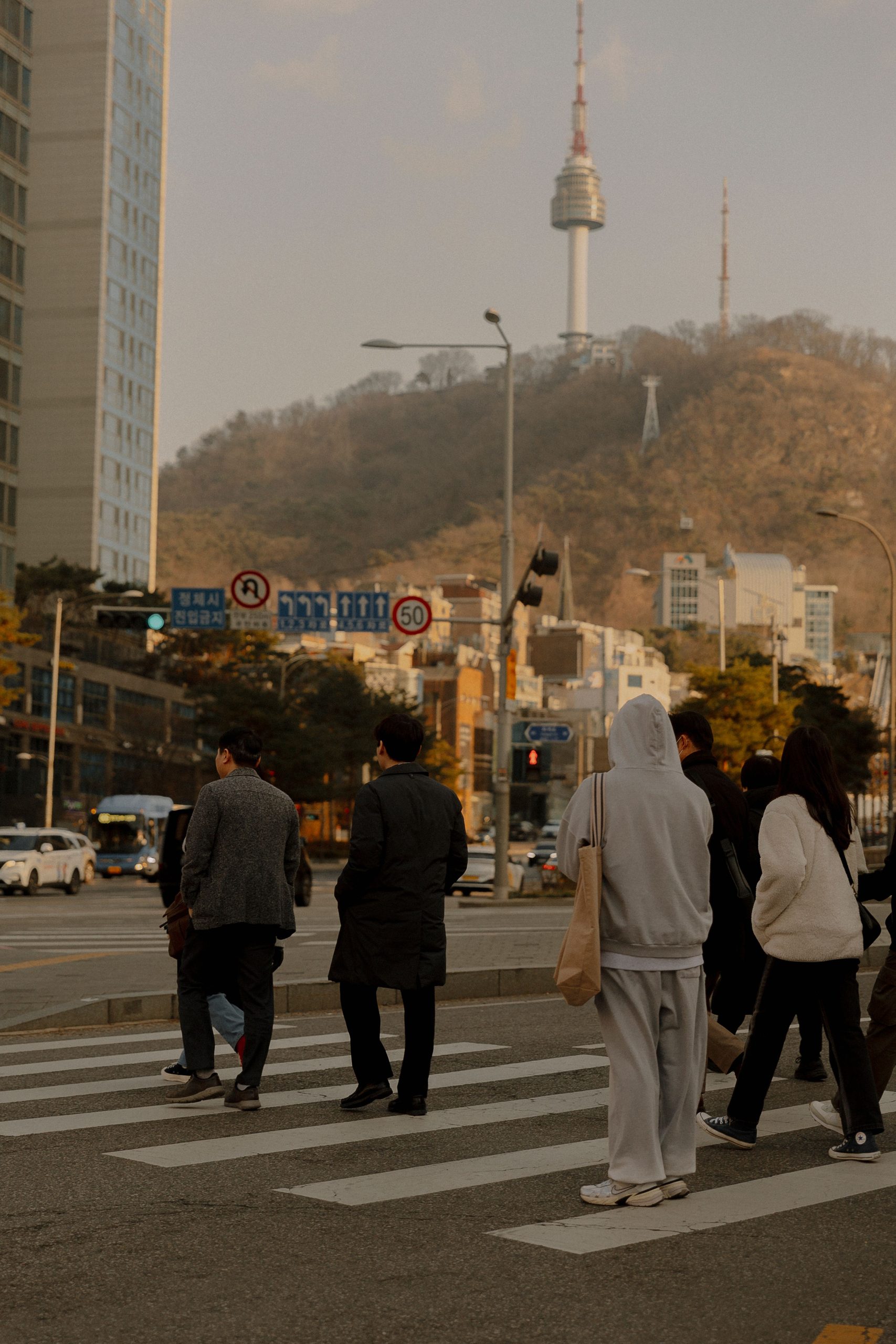
South Korea is relatively easy to travel once you understand a few things that work differently here. Public transportation is excellent, convenience stores are everywhere, and many everyday tasks are surprisingly efficient — but first-time visitors can still run into small problems that are difficult to anticipate before arriving.
You may need cash to top up a transit card, Google Maps may not work the way you expect, some restaurants work differently from what you may be used to, and the apps you download before your trip can make a major difference once you are on the ground.
This guide covers the practical Korea travel tips that first-time visitors are most likely to need, from payments and transportation to navigation, food, etiquette, connectivity, and common mistakes. It focuses on the things that can actually make your trip easier rather than a long list of generic travel advice.
- Install NAVER Map Before You Arrive
- Carry Some Korean Won Even If You Mostly Use Cards
- Set Up Mobile Data Before You Start Exploring
- Save Your Accommodation Address in Korean
- Decide How You Will Leave Incheon Airport Before You Land
- Save Korea’s Important Help Numbers
- Check Whether You Need a Power Adapter
- Don’t Worry Too Much About Korean Restaurant Etiquette
- Keep a Translation App Ready
- Have Your Passport Ready for Tax Refunds
- Check for Major Korean Holidays Before Your Trip
- Check the Weather Again Just Before You Pack
- Frequently Asked Questions
- Final Tips for Your First Trip to Korea
Install NAVER Map Before You Arrive
One of the easiest ways to make your first trip to Korea less confusing is to install NAVER Map before you arrive.
The app provides directions for subways, buses, walking, and driving, along with useful place information and real-time public transportation updates. It also supports English maps and English navigation, making it much easier to use as a visitor.
Download it while you still have a reliable internet connection, switch the app language to English, and save your hotel and a few important places before your trip.
If Seoul is your main destination, our Seoul Transportation Guide explains how to use the subway, buses, taxis, and T-money in more detail.
If Jeju is part of your trip, our Jeju Transportation Guide explains how to get around the island by bus, taxi, rental car, or day tour.
NAVER Map Download: Android | iPhone
Carry Some Korean Won Even If You Mostly Use Cards
Credit cards are widely accepted in Korea, so most travelers do not need to carry a large amount of cash.
Still, it is a good idea to keep some Korean won in cash, especially for transportation. A standard prepaid T-money card normally requires cash for both purchase and top-up when you are using a foreign-issued credit or debit card.
You do not need to exchange a large amount at once. Keep enough cash for your first T-money top-up and a few small situations, then use cards for most everyday spending if they work normally.
For detailed purchase locations, top-up rules, and transport coverage, see our T-money Card Guide.
For a broader look at credit cards, cash, T-money, Apple Pay, ATMs and payment problems, see our guide to how to pay in Korea as a tourist.
Set Up Mobile Data Before You Start Exploring
Reliable mobile data makes traveling in Korea much easier. You will use it constantly for maps, subway and bus directions, translation, restaurant searches, reservations, and checking information while you are out.
For most short-term visitors, an eSIM is the simplest option if your phone supports it. A tourist SIM card is also easy to arrange, including after you arrive in Korea.
Try to have your connection working before you leave the airport or start navigating the city. It is much easier to solve an activation problem while you still have airport Wi-Fi than after you are already on your way to your accommodation.
If you are unsure which option to choose, our Korea SIM Card & eSIM Guide compares tourist eSIMs, carrier SIMs, airport pickup, convenience-store options, and the limitations of Korean phone numbers.
Save Your Accommodation Address in Korean
Before your trip, save the Korean name and address of your accommodation on your phone.
An English hotel or guesthouse name is not always the easiest way to identify the correct building, especially when taking a taxi or looking for an entrance in a busy neighborhood. Having the Korean address ready also makes it easier to copy and paste the location into NAVER Map.
A simple screenshot is enough. Save the accommodation name, Korean address, and phone number somewhere you can access even if your mobile data is temporarily unavailable.
This is especially useful on your first day, when you may be tired, carrying luggage, and still getting used to Korean streets and addresses.
Decide How You Will Leave Incheon Airport Before You Land
Do not wait until you are standing in the arrivals hall to decide how to reach Seoul.
Your best option depends on where you are staying, how much luggage you have, and what time you arrive. The AREX train is convenient for some destinations, while an airport limousine bus or taxi can make more sense when you have heavy bags or your accommodation is far from a useful train station.
Before your flight, check your accommodation location and choose at least a rough airport-to-city route. This makes your first hour in Korea much less stressful.
Our Incheon Airport Guide compares AREX trains, airport buses, taxis, late-night transportation, terminals, and other arrival essentials.

Save Korea’s Important Help Numbers
You probably will not need them, but save a few important numbers before your trip. They are much easier to find on your phone than to search for when something has already gone wrong.
- 112 — Police: Call for crimes, threats, theft, or other situations requiring police assistance.
- 119 — Fire and medical emergencies: Call for an ambulance, fire, or another urgent medical situation.
- 1330 — Korea Travel Helpline: Useful for non-emergency travel questions and interpretation help. The Korea Tourism Organization provides assistance in English and several other languages.
From overseas, call the Korea Travel Helpline at +82-2-1330.
Official 1330 Korea Travel Helpline
Check Whether You Need a Power Adapter
South Korea uses 220V electricity at 60Hz with outlets that have two round holes.
If your charger uses a different plug shape, bring a travel adapter. Most modern phone and laptop chargers accept a wide voltage range, but check the small input label on your charger before plugging it in.
If you forget an adapter, you can usually find one at airports, convenience stores, large retailers, or ask your accommodation whether they have one available.
Don’t Worry Too Much About Korean Restaurant Etiquette
Eating out in Korea can feel unfamiliar at first, but most of the differences are easy to learn.
Tipping is not normally expected. At many restaurants, water or extra side dishes may be self-service, and you may find a call button on the table when you need a server. Chopsticks, spoons, and napkins are also sometimes stored in a drawer under the table.
Some restaurants use touchscreen kiosks or tablet ordering, while others still take orders directly at the table. If something is unclear, showing the menu item on your phone or using a translation app is usually enough to get by.
The system may look different from what you are used to, but you do not need to understand every rule before eating out in Korea.
Keep a Translation App Ready
You can travel around Korea without speaking Korean, but a translation app is extremely useful when menus, signs, or conversations are not available in English.
Papago is a practical option for Korea because it supports Korean and English along with text, image, voice, and offline translation. Image translation is especially useful for menus, notices, and labels that you cannot easily type into your phone.
Download the app before your trip and save any offline language data you may want while you still have a reliable internet connection.
Papago Download: Android | iPhone
Have Your Passport Ready for Tax Refunds
If you plan to shop at tax-refund stores in Korea, remember that your passport may be required to verify your eligibility.
Some stores can process an immediate tax refund when you pay, while other purchases require a refund procedure later. Depending on the method, you may need your passport, refund documents, and sometimes the purchased items when completing the process.
Keep your passport secure, but check the refund procedure before a major shopping trip so you are not caught without the documents you need.
Official Korea Tax Refund Guide
Check for Major Korean Holidays Before Your Trip
If your trip overlaps with Seollal (Lunar New Year) or Chuseok, plan intercity travel more carefully than usual.
These are two of Korea’s most important holidays, when millions of people travel to visit family. Train and intercity bus tickets can sell out quickly, road traffic becomes much heavier, and some restaurants, shops, and other businesses may close or reduce their hours.
The dates change each year because both holidays follow the lunar calendar. Before booking a trip between Korean cities, check the holiday calendar and reserve transportation as early as possible if your dates overlap.
Official Korea Public Holiday Calendar
Check the Weather Again Just Before You Pack
Korea has four distinct seasons, and the weather can feel very different depending on when you visit.
Summers are hot and humid, while winters can be very cold. Spring and autumn are generally more comfortable, but temperatures can still change noticeably between daytime and evening.
Do not rely only on general monthly weather averages when packing. Check the forecast for your actual destinations a few days before departure, especially if you will be traveling between different parts of Korea.
For spring and autumn, layers are useful. In summer, prepare for heat, humidity, and rain. In winter, a warm outer layer matters much more than many first-time visitors expect.

Frequently Asked Questions
Do I need cash when traveling in Korea?
Yes, but you usually do not need much. Credit cards are widely accepted, while some situations — especially buying or topping up a standard T-money card with a foreign-issued card — may still require Korean won in cash.
Is Google Maps enough for traveling in Korea?
It can be useful for basic place searches, but NAVER Map is generally more practical for local navigation and public transportation in Korea. Installing it before your trip will make getting around much easier.
Do I need to speak Korean to visit South Korea?
No. You can travel around Korea without speaking Korean, especially in major tourist areas. A translation app such as Papago is still very useful for menus, signs, and situations where English is limited.
Is tipping expected in Korea?
No. Tipping is not normally expected at restaurants, cafés, taxis, or most other everyday services in Korea.
Final Tips for Your First Trip to Korea
You do not need to memorize everything before visiting Korea. A few simple preparations — installing the right apps, carrying some Korean won, setting up mobile data, and checking your transportation and accommodation details in advance — will prevent most common problems.
Once you arrive, Korea is generally easy to navigate, especially when you have reliable internet access and know where to find the information you need.
Prepare the basics before departure, stay flexible once you are here, and you will spend far less time solving small travel problems and more time enjoying your trip.