

Gyeonggi-do surrounds Seoul and includes some of the easiest escapes from the capital, from the historic walls of Suwon to the DMZ area in Paju, theme parks in Yongin, and nature trips farther from the city.
For most international travelers, the challenge is not finding things to do. It is deciding which part of Gyeonggi-do is worth your limited time. The province is large, and attractions that look close on a map can require completely different train, subway, bus, or tour routes.
This Gyeonggi-do travel guide focuses on the practical choices: where to go, what works as a day trip from Seoul, when staying overnight makes sense, and how to get around without wasting time on unnecessary transfers.
- Where Should You Go in Gyeonggi-do?
- Best Places to Visit in Gyeonggi-do
- How to Get Around Gyeonggi-do from Seoul
- Should You Rent a Car in Gyeonggi-do?
- Where to Stay in Gyeonggi-do
- How Many Days Do You Need in Gyeonggi-do?
- Best Time to Visit Gyeonggi-do
- Practical Tips for Visiting Gyeonggi-do
- Frequently Asked Questions About Gyeonggi-do
- Final Thoughts
Where Should You Go in Gyeonggi-do?
You do not need to “cover” Gyeonggi-do in one trip. Choose one area based on what you actually want to see, especially if you are staying in Seoul.
| Area | Best for | Best trip style | Main reason to go |
| Suwon | History & first-time visitors | Easy day trip | Hwaseong Fortress and the historic city center |
| Paju | DMZ & modern Korean history | Full-day trip | Imjingak and DMZ-related sites |
| Yongin | Families & theme parks | Full-day trip | Everland and Korean Folk Village |
| Gwangju (Gyeonggi-do) | Hiking & history | Half- or full-day trip | Namhansanseong |
| Icheon | Ceramics & slower travel | Full-day trip | Pottery villages, workshops and local crafts |
| Gapyeong | Gardens & seasonal scenery | Full-day trip | Garden of Morning Calm and nature-focused attractions |
| Pocheon | Dramatic scenery & nature | Full-day trip | Art Valley, quarry cliffs and Cheonjuho Lake |
If this is your first trip to Gyeonggi-do, Suwon is the simplest place to start. It combines a major historic attraction with a city that is relatively straightforward to explore independently.
Choose Paju if the DMZ is your priority, Yongin for a full day of attractions, and Gwangju (Gyeonggi-do) or Icheon if you prefer a quieter trip away from Korea’s biggest tourist circuits.
Best Places to Visit in Gyeonggi-do
Gyeonggi-do is too large to treat as a single sightseeing area. Most travelers will have a better trip by choosing one destination per day from Seoul, rather than trying to connect several cities across the province.
Suwon — Best First Day Trip from Seoul
Suwon is one of the easiest places to start. Its main attraction is Suwon Hwaseong Fortress, a UNESCO World Heritage Site built in the late 18th century around the historic center of the city. The fortress walls stretch for about 5.7 kilometers, so you can walk only a section or make the walls a larger part of your day.
The most useful area for first-time visitors is around Hwaseong Haenggung Palace, the fortress walls, and Haengnidan-gil, where historic sights, cafés, restaurants, and local streets are close enough to explore on foot.
Do not assume that Suwon Station is next to the fortress. After arriving at Suwon Station, you still need a local bus or taxi to reach the Hwaseong area. Suwon’s official tourism information lists several local bus connections between the station and Hwaseong Haenggung.
A full day is ideal if you want to walk part of the fortress, visit the palace, eat nearby, and explore the surrounding neighborhood without rushing.
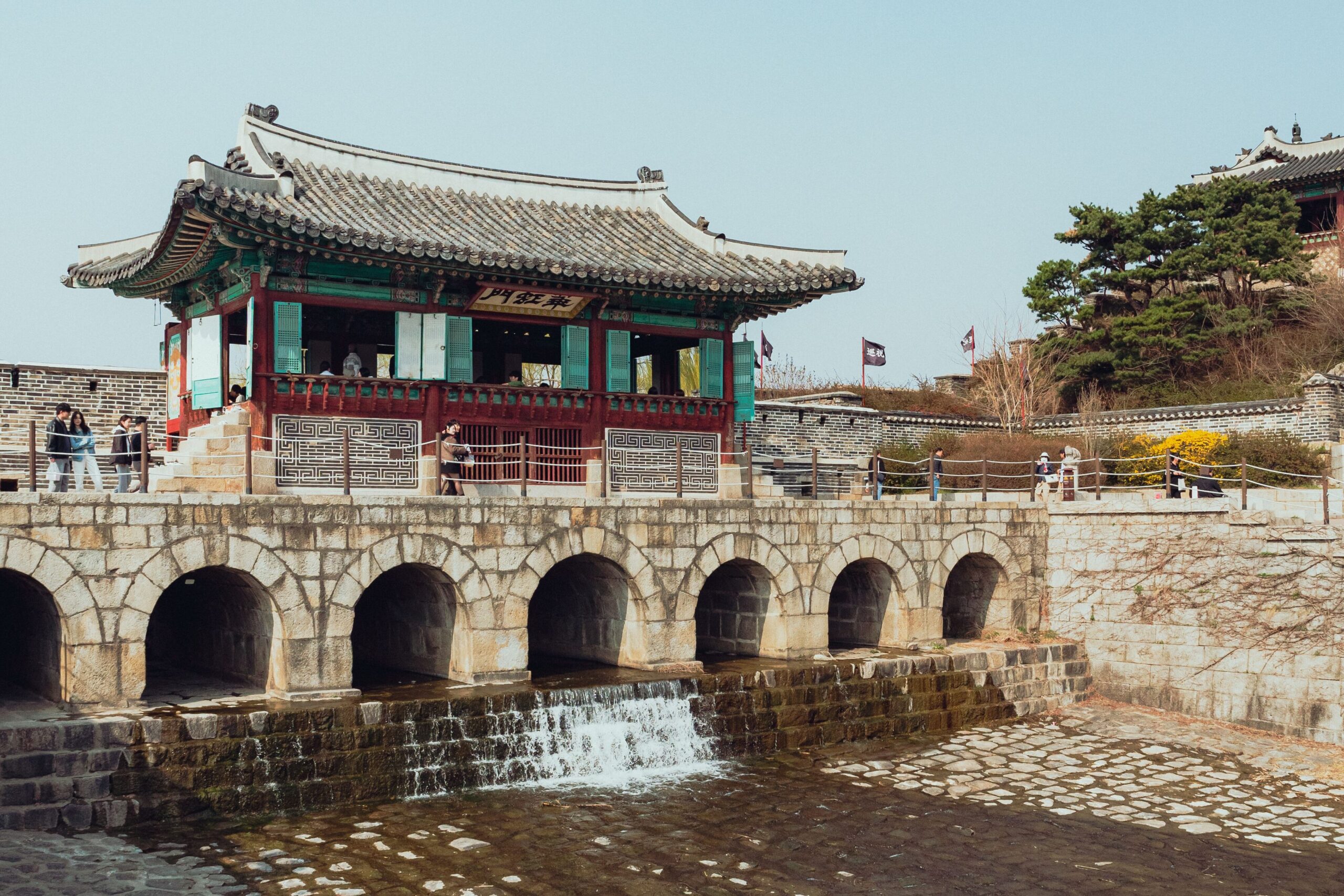
Official Suwon Hwaseong Visitor Information
Paju — Best for the DMZ and Modern Korean History
Paju is the best choice in Gyeonggi-do if your main interest is the DMZ and the history of Korea’s division. The easiest starting point is Imjingak Resort and Pyeonghwa Nuri Park, where you can visit memorials, the Freedom Bridge area, exhibitions, and other sites without joining the full controlled DMZ tour.
Going farther into the restricted area is different. Attractions such as the Third Tunnel and Dora Observatory are visited through the DMZ Peace Tour, which starts from the Imjingak area. Independent access to these controlled sites is not allowed.
Bring your original passport or Alien Registration Card (ARC). Paju’s current official guidance says visitors without valid identification cannot enter, and copies or photos of identification are not accepted. The city also warns that tours can be suspended or canceled because of military-security conditions, weather, or other safety issues.
For that reason, treat Paju as a full-day trip and avoid building a tightly timed evening plan around your return to Seoul. If entering the controlled DMZ area is important to you, check the latest operating status shortly before your visit.
Planning to visit the border area from Seoul? See our DMZ Tour from Seoul guide for current JSA status, passport rules, tour options and booking tips.
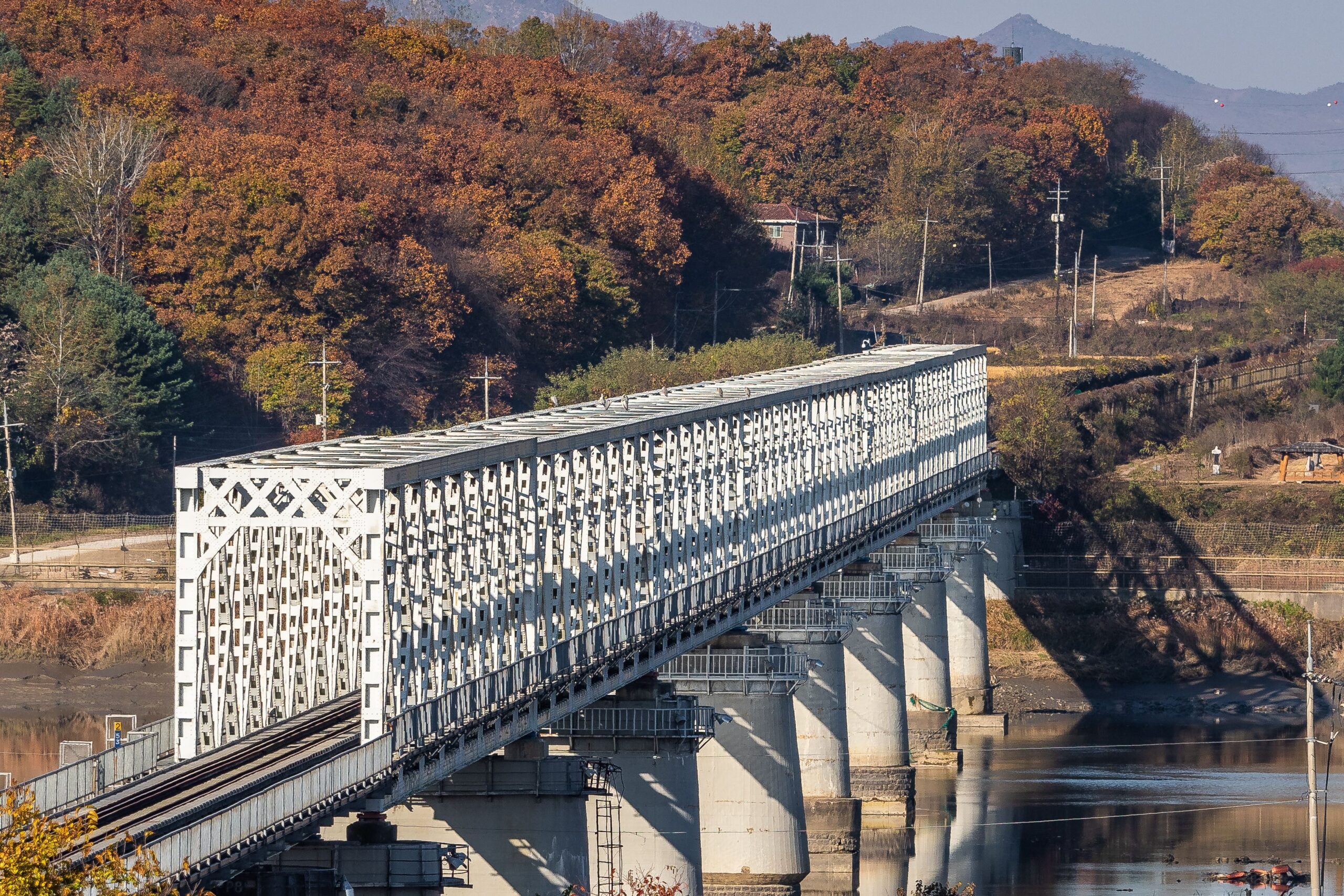
Official Paju DMZ Visitor Information
Yongin — Best for Theme Parks and Korean Culture
Yongin is best known for two very different attractions: Everland and the Korean Folk Village. Both can fill a large part of a day, so most first-time visitors should choose one rather than rushing between them.
Choose Everland if you want roller coasters, seasonal events, gardens, and animal attractions. The park is especially popular with families and travelers who want a full theme-park day. Everland’s official transportation information lists access by public transit through Giheung Station and the EverLine, followed by a shuttle from the final station to the resort.
For tickets, Q-Pass options, rides and transportation from Seoul, see our Everland Korea Guide.
Choose the Korean Folk Village if you are more interested in traditional architecture, Joseon-era culture, performances, and hands-on experiences. It recreates historic houses and village life and regularly runs traditional performances and seasonal programs.
Plan a full day for Everland. Korean Folk Village can be shorter, but giving it several hours is more comfortable if you want to watch performances and explore beyond the main entrance area.
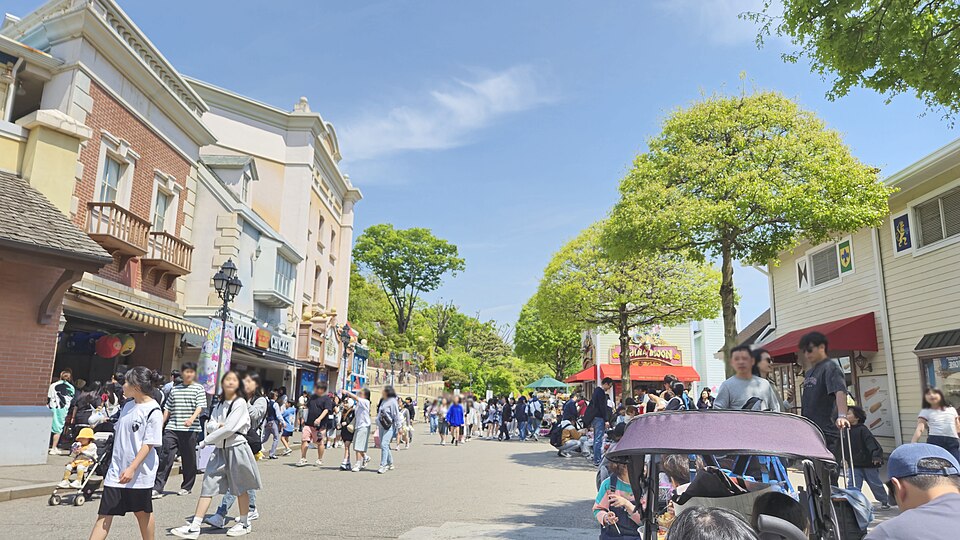
Official Everland English Website
Official Korean Folk Village Visitor Information
Gwangju (Gyeonggi-do) — Best for Hiking and Namhansanseong
Gwangju (Gyeonggi-do) is worth considering if you want history, mountain scenery, and a walk along old fortress walls rather than another busy city attraction.
The main reason to come is Namhansanseong, a UNESCO World Heritage Site built across mountainous terrain southeast of Seoul. You do not need to hike the entire fortress. Several walking routes let you combine sections of the wall with gates, viewpoints, and the historic palace area. The fortress itself is open throughout the day, while individual facilities such as Namhansanseong Haenggung have separate opening hours.
From Seoul, public transportation usually involves taking Subway Line 8 toward the Seongnam side and transferring to a local bus for the fortress area. The official Namhansanseong World Heritage Center currently lists buses from Sanseong Station, but routes and frequencies can vary, so check your map app on the day of your visit.
Allow at least half a day if you want to walk part of the walls without rushing. Autumn is especially scenic, but weekends and public holidays can also bring heavier traffic and limited parking.
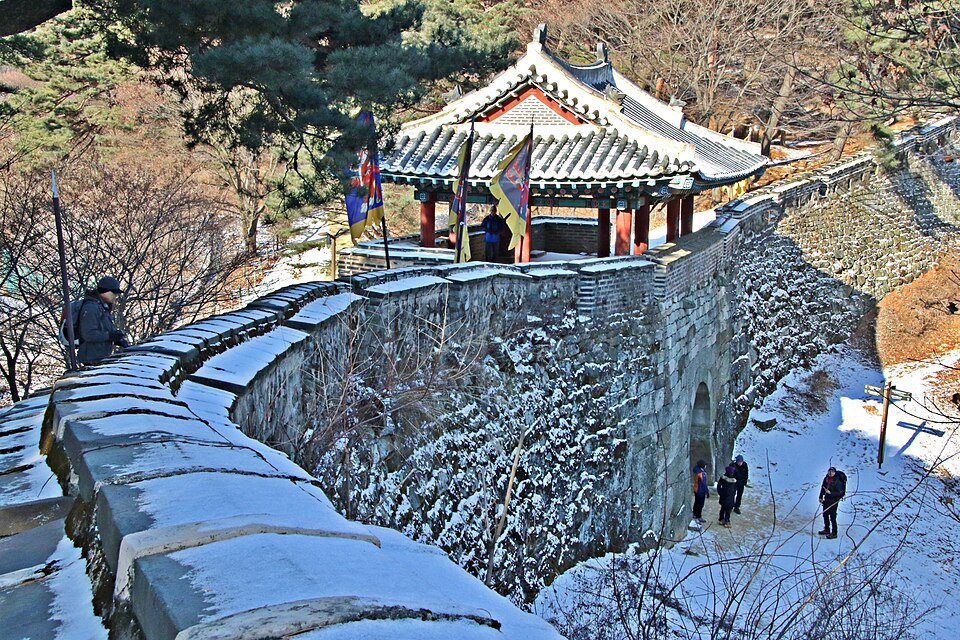
Official Namhansanseong Visitor Information
Icheon — Best for Ceramics and a Slower Day Trip
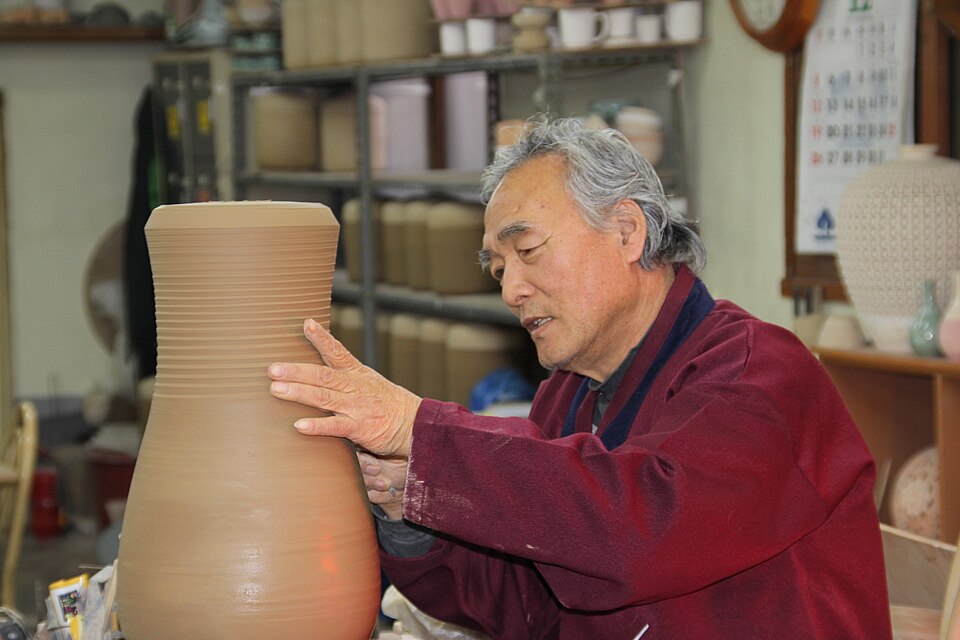
Icheon is a good choice if you prefer crafts, workshops, and a slower day outside Seoul over major sightseeing attractions. The city has a long ceramics tradition and is recognized as a UNESCO Creative City of Crafts and Folk Art.
The easiest place for travelers to experience this side of Icheon is Icheon Ye’s Park, a ceramics and arts village where individual workshops sell pottery and other handmade pieces. Some studios also offer pottery-making experiences, although schedules and fees vary by workshop.
Do not expect the area to work like a single museum with one fixed program. Ye’s Park is a collection of independent studios, so it is worth allowing time to browse rather than planning every stop in advance.
Icheon works best as a relaxed full-day trip, especially if you want to combine ceramics with a café, local food, or another nearby attraction. It is less suitable if your priority is checking off several major landmarks in a short time.
Official Icheon Ye’s Park Visitor Information
Gapyeong — Best for Gardens and Seasonal Scenery
Gapyeong is one of the best choices if you want gardens, mountain scenery, and a slower nature-focused day trip from Seoul.
The main attraction is The Garden of Morning Calm, a large botanical garden set against the mountains of Gapyeong. Its themed gardens, walking paths, seasonal flowers, and winter lighting make it a useful year-round option rather than a destination for only one season.
Gapyeong is also commonly combined with nearby attractions such as Petite France. Nami Island is often included in the same day-trip itineraries, but the island itself is technically in Chuncheon, Gangwon-do, even though most visitors reach it through the Gapyeong area.
Public transportation is possible, but attractions around Gapyeong are spread out. If you want to visit more than one place in a day, check the complete route and transfer times before leaving Seoul rather than assuming everything is within walking distance.

Official Garden of Morning Calm Visitor Information
Pocheon — Best for Dramatic Scenery and Art Valley
Pocheon is a good choice if you want dramatic landscapes and a quieter trip farther from central Seoul.
The standout attraction is Pocheon Art Valley, a former granite quarry transformed into a cultural and outdoor attraction. Its main feature is Cheonjuho Lake, surrounded by steep exposed rock cliffs, along with walking areas, art installations, and an observatory.
Pocheon also has nature-focused destinations such as Sanjeong Lake, but the city’s attractions are spread across a fairly large area. If you are using public transportation, it is better to choose your main destination first rather than assuming several Pocheon attractions will be easy to combine in one day.
Allow most of a day for Pocheon, especially when traveling from Seoul. A rental car or organized tour becomes more useful here than it does for a straightforward trip to Suwon.

Official Pocheon Art Valley Visitor Information
How to Get Around Gyeonggi-do from Seoul
For most international travelers, Seoul works well as a base for exploring Gyeonggi-do. The important thing is to plan each destination separately. The destinations in this guide are spread across different transport corridors, and traveling between them can take much longer than the map suggests.
| Destination | Best public transport approach | Last connection | Practical tip |
| Suwon | Train or subway to Suwon Station | Local bus or taxi to Hwaseong | Do not assume the fortress is next to the station |
| Paju / Imjingak | Gyeongui-Jungang Line toward Munsan | Bus or limited train connection toward Imjingak | Check the return route before leaving Seoul |
| Yongin / Everland | Suin-Bundang Line to Giheung → EverLine | Free shuttle from the final EverLine stop | Allow extra time for multiple transfers |
| Namhansanseong | Subway Line 8 to Sanseong Station | Local bus to Namhansanseong | Public transport is preferable on busy weekends |
| Icheon | Gyeonggang Line toward Icheon | Local bus or taxi | Attractions are more spread out than in Suwon |
| Gapyeong | ITX-Cheongchun or train toward Cheongpyeong / Gapyeong | Local bus or shuttle | Attractions are spread out, so check transfer times before leaving Seoul |
| Pocheon | Bus from Seoul toward Pocheon | Local bus or taxi | Public transport takes longer, so avoid planning a tight return schedule |
A T-money card is useful for the subway and most local bus connections, but the easiest route can change depending on your starting point in Seoul. Check the complete journey shortly before departure rather than relying on a route you saved weeks earlier.
If you are unfamiliar with Seoul’s subway and bus system, our Seoul Transportation Guide explains the basics before you start making day trips outside the city.
Should You Rent a Car in Gyeonggi-do?
For most first-time visitors, you do not need a rental car to explore Gyeonggi-do. Suwon, Everland, Namhansanseong, and many other popular destinations can be reached from Seoul by subway, train, bus, or a combination of them.
A car becomes more useful if you plan to visit several spread-out attractions in one area, travel to smaller towns, or explore places where the final bus connection is inconvenient. Icheon and more rural parts of the province are better examples of where having a car can save time.
A rental car is less useful for the DMZ portion of a Paju trip, because access to controlled DMZ sites follows separate tour and security procedures.
If you do drive, remember that foreign visitors must meet Korea’s license requirements. Short-term travelers generally need a valid International Driving Permit (IDP), identification such as a passport, and must meet the rental company’s age and license requirements. Carry your home-country driver’s license as well, since some rental companies may ask for it.
For a simple one-destination day trip from Seoul, public transportation is usually the easier choice.
Official Guide to Driving and Renting a Car in Korea
Where to Stay in Gyeonggi-do
For most travelers, you do not need to change hotels just to visit Gyeonggi-do. If your itinerary consists of one or two day trips, keeping the same accommodation in Seoul is usually simpler than moving your luggage between cities.
An overnight stay makes more sense when the destination itself benefits from extra time or when you want to avoid a long return journey after a full day.
| Destination | Stay overnight? | When it makes sense |
| Suwon | Worth considering | You want evening walks around Hwaseong and a slower historic-city experience |
| Paju | Usually no | A DMZ-focused day trip normally works better from Seoul |
| Yongin | Sometimes | You want an early start or a less rushed full day at Everland |
| Gwangju (Gyeonggi-do) | Usually no | Namhansanseong works well as a half- or full-day trip from Seoul |
| Icheon | Sometimes | You want a relaxed ceramics, spa, or countryside-style overnight trip |
Suwon is the strongest option for an overnight stay. The fortress can be explored after dark, and spending the night lets you enjoy the Hwaseong area without planning your entire day around the last trip back to Seoul.
Icheon can also work well as a slower overnight escape. Official tourism itineraries combine the city’s pottery workshops with cafés and hot-spring facilities, making it easier to turn a ceramics visit into a more relaxed two-day trip.
For everyone else, Seoul remains the most practical base, especially when you are visiting different parts of Gyeonggi-do on separate days.
If you are still deciding where to base yourself, see our Where to Stay in Seoul guide for the best areas by transport, nightlife, sightseeing, and travel style.
How Many Days Do You Need in Gyeonggi-do?
You do not need to spend several consecutive days in Gyeonggi-do. For most travelers staying in Seoul, it works better as a series of separate day trips.
If you have 1 day: Choose Suwon for the easiest all-around introduction, Paju if the DMZ is your priority, or Everland if you want a full theme-park day.
If you have 2 days: Combine two completely different experiences, such as Suwon + Paju or Suwon + Yongin. Return to Seoul between them unless you have a specific reason to stay overnight.
If you have 3 days: Add a slower destination such as Namhansanseong or Icheon. This gives you a mix of history, major attractions, and a less urban side of Gyeonggi-do without trying to cross the province in a single day.
The key is to choose destinations by day, not by geographic checklist. Gyeonggi-do surrounds Seoul, but its attractions are spread across different cities and transport corridors.
Best Time to Visit Gyeonggi-do
Spring and autumn are the easiest seasons for most Gyeonggi-do day trips, especially if your plans involve walking, fortress walls, parks, or outdoor attractions.
- Spring (March–May): Mild weather and seasonal flowers make this a good time for Suwon, Everland, and Icheon. Blooming dates vary each year, so check current conditions before planning a flower-focused trip.
- Summer (June–August): Expect hot, humid weather and periods of heavy rain. Theme parks and outdoor attractions are still possible, but build some flexibility into your schedule.
- Autumn (September–November): One of the best times for Namhansanseong, Suwon, and other outdoor destinations. Cooler temperatures and fall foliage make longer walks much more comfortable.
- Winter (December–February): Cold and generally drier. Crowds can be lighter at some outdoor sights, but long walks and exposed fortress areas require warm clothing.
If your itinerary is mostly outdoors, spring or autumn is the safest overall choice. For cherry blossoms, fall foliage, or other seasonal scenery, avoid planning around an exact date too far in advance because peak conditions change from year to year.
Practical Tips for Visiting Gyeonggi-do
A few small preparations can make day trips around Gyeonggi-do much easier:
- Use NAVER Map for local routes. Check the complete journey shortly before leaving, especially when your trip includes a local bus after the subway or train.
- Carry your T-money card. You will use it for many subway and local bus connections between Seoul and destinations in Gyeonggi-do.
- Bring your original passport or ARC for a DMZ trip. Photos or copies of identification may not be accepted for controlled-area access.
- Check operating information on the day of your visit. Weather, military-security conditions, seasonal schedules, or attraction maintenance can affect some destinations.
- Do not plan two distant Gyeonggi-do cities just because they look close to Seoul. Traveling across the province often requires returning toward major transport hubs first.
- Leave some extra time for your final connection. Places such as Everland, Namhansanseong, Imjingak, and Icheon attractions usually require a bus, shuttle, or taxi after the main rail journey.
For most visitors, the simplest strategy is to choose one Gyeonggi-do destination per day and check the return route before you leave Seoul.
NAVER Map Download: Android | iPhone
Frequently Asked Questions About Gyeonggi-do
Is Gyeonggi-do part of Seoul?
No. Gyeonggi-do is a separate province that surrounds Seoul, although the two are closely connected by the metropolitan subway, trains, and buses. This is why many Gyeonggi-do destinations work well as day trips from Seoul.
Can you visit Gyeonggi-do as a day trip from Seoul?
Yes. Suwon, Paju, Yongin, Namhansanseong, Gapyeong, and several other destinations can be visited as day trips from Seoul. The important thing is to choose one area for the day rather than trying to travel across the province.
Do you need a car to travel around Gyeonggi-do?
Usually not. Major destinations such as Suwon, Everland, and Namhansanseong can be reached by public transportation. A rental car becomes more useful for rural areas or when you want to combine several spread-out attractions, especially around places such as Pocheon or Icheon.
Is Nami Island in Gyeonggi-do?
No. Nami Island is officially in Chuncheon, Gangwon-do, although most visitors reach it through the Gapyeong side of the river. This is why Nami Island often appears in Gapyeong day-trip itineraries even though it is not actually in Gyeonggi-do.
Can you visit the DMZ in Paju without a tour?
You can visit Imjingak and its public attractions independently, but controlled DMZ sites are different. The Third Tunnel, for example, requires visitors to join the DMZ Peace Tour, reserve in advance, and bring valid identification such as a passport or ARC.
Final Thoughts
Gyeonggi-do offers very different escapes from Seoul, whether you want history, the DMZ, theme parks, gardens, mountain walks, ceramics, or dramatic scenery.
Choose the destination that best matches your interests, check the final local connection before departure, and give each area enough time to enjoy it without rushing.