
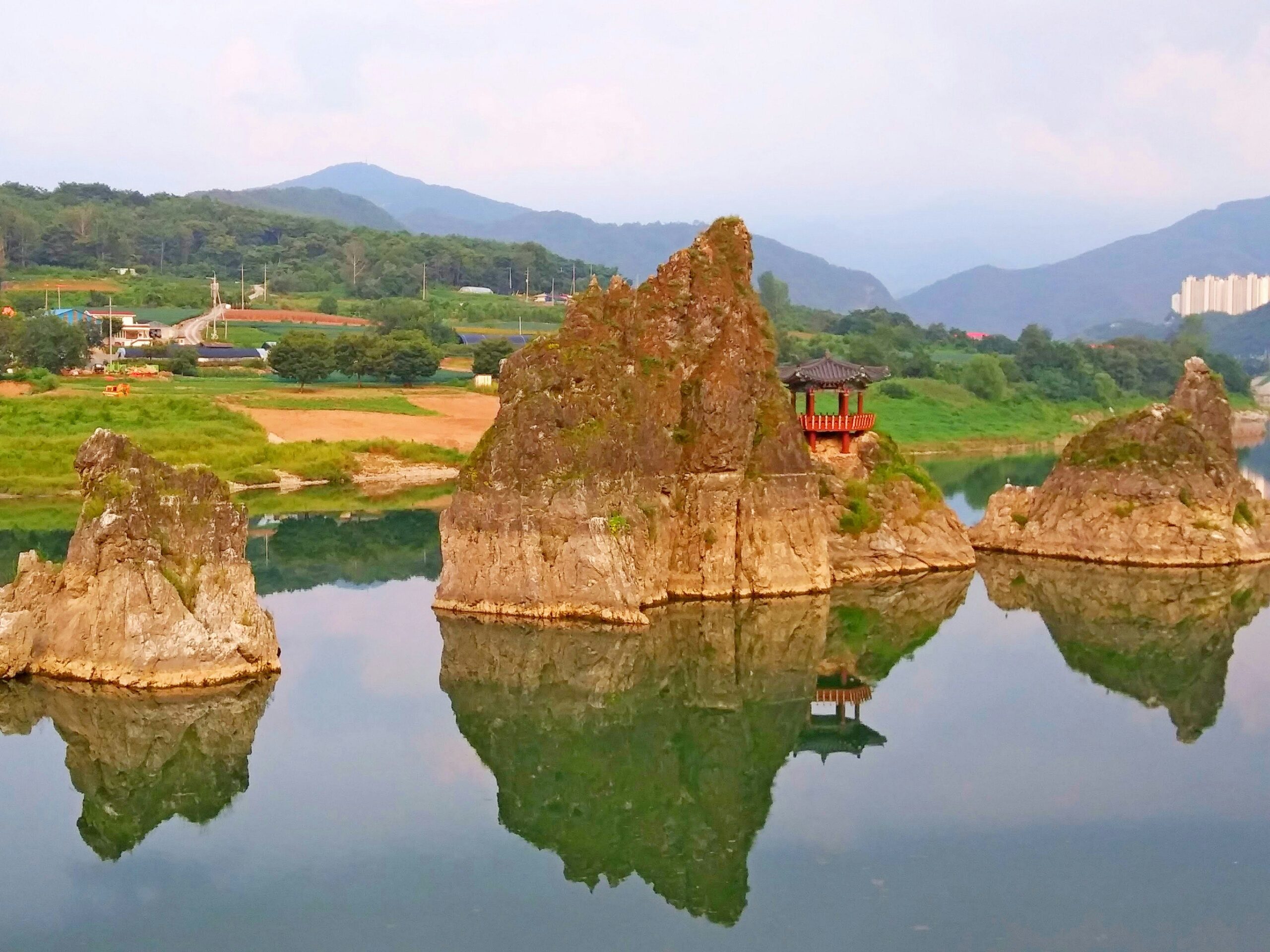
Chungcheongbuk-do sits in the heart of South Korea, with no coastline but plenty of mountains, lakes, historic sites, and quieter cities that many international travelers overlook.
This Chungcheongbuk-do Travel Guide covers the province’s most useful bases for a trip, including Cheongju, Danyang, Jecheon, and Chungju. You’ll find out where to go, how to get there from Seoul and other parts of Korea, where to stay, whether you need a car, and how to plan a practical one- to three-day itinerary.
Danyang and Jecheon are especially good for dramatic mountain and lake scenery, while Chungju combines outdoor attractions with convenient transport connections. Cheongju, the provincial capital, works well as a cultural and transportation base and has its own historic sights, museums, and local neighborhoods worth exploring.
- Quick Answer: Where Should You Go in Chungcheongbuk-do?
- Cheongju: Best for Culture, Markets & an Easy City Base
- Danyang: Best for Mountain Scenery, Caves & River Views
- Jecheon: Best for Lake Views & Relaxed Outdoor Travel
- Chungju: Best for Lake Scenery, Hot Springs & a Slower Trip
- How to Get to Chungcheongbuk-do from Seoul
- Getting Around Chungcheongbuk-do: Public Transport vs Rental Car
- Where to Stay in Chungcheongbuk-do
- Suggested 1-Day, 2-Day & 3-Day Chungcheongbuk-do Itineraries
- Best Time to Visit Chungcheongbuk-do
- Practical Travel Tips for Chungcheongbuk-do
- Chungcheongbuk-do vs Chungcheongnam-do: What’s the Difference?
- Frequently Asked Questions
- Final Thoughts
Quick Answer: Where Should You Go in Chungcheongbuk-do?
Chungcheongbuk-do is spread across several cities and mountain areas, so trying to see the entire province in one short trip usually means spending too much time in transit.
For a first visit, choose one or two areas based on what you want to experience. Danyang is the strongest choice for dramatic river and mountain scenery, Jecheon is good for lake views and outdoor attractions, Chungju suits a slower nature-focused trip, and Cheongju works best for museums, markets, and an urban base.
| Area | Best for | Main highlights | Suggested time |
| Cheongju | Museums, culture & city travel | Sangdangsanseong Fortress, museums, markets | 1 day |
| Danyang | Mountains & river scenery | Dodamsambong Peaks, Gosu Cave, Sobaeksan | 1–2 days |
| Jecheon | Lakes & outdoor attractions | Cheongpungho Lake, cable car, Uirimji Reservoir | 1–2 days |
| Chungju | Lake views & a slower trip | Chungjuho Lake, historic sites, Suanbo area | 1–2 days |
If scenery is your main reason for visiting, Danyang or Jecheon is the easiest place to start. Travelers who prefer local city life and cultural attractions may get more from Cheongju.
Cheongju: Best for Culture, Markets & an Easy City Base
Cheongju is the capital of Chungcheongbuk-do and the most urban stop in this guide. It is a good choice if you want history, museums, traditional markets, and cultural spaces without planning a heavily nature-focused trip.
Sangdangsanseong Fortress is one of the city’s most recognizable historic sites. The stone fortress stretches for about 4.2 km along the hills outside central Cheongju, and the grounds are open year-round with no admission fee.
Official Sangdangsanseong Fortress Information
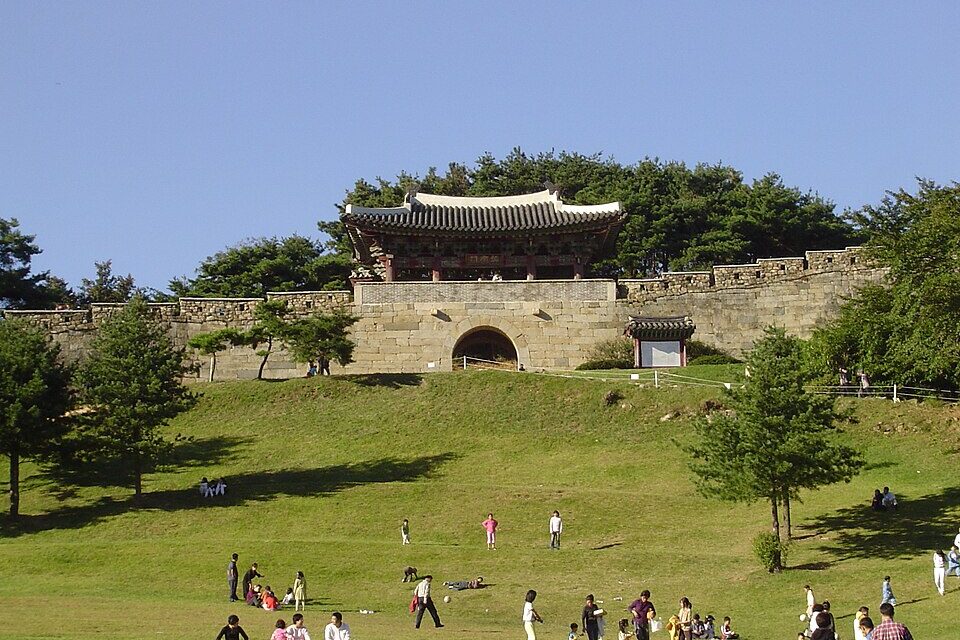
For a city-focused day, you can combine the fortress with Cheongju National Museum, Yukgeori Traditional Market, and the Culture Factory area. Together, these make an easy city-focused sightseeing day.
Cheongju works especially well for travelers who prefer an urban base and shorter sightseeing days rather than moving between remote mountain attractions.
Danyang: Best for Mountain Scenery, Caves & River Views
Danyang is one of the best places in Chungcheongbuk-do for travelers who want dramatic scenery without planning a long hiking trip. The town sits along the Namhangang River and is surrounded by mountains, limestone caves, and viewpoints.
Dodamsambong Peaks are the area’s best-known landmark, with three rock formations rising directly from the river. Nearby, you can also visit the riverside walking areas and viewpoints around central Danyang.
Official Dodamsambong Peaks Information
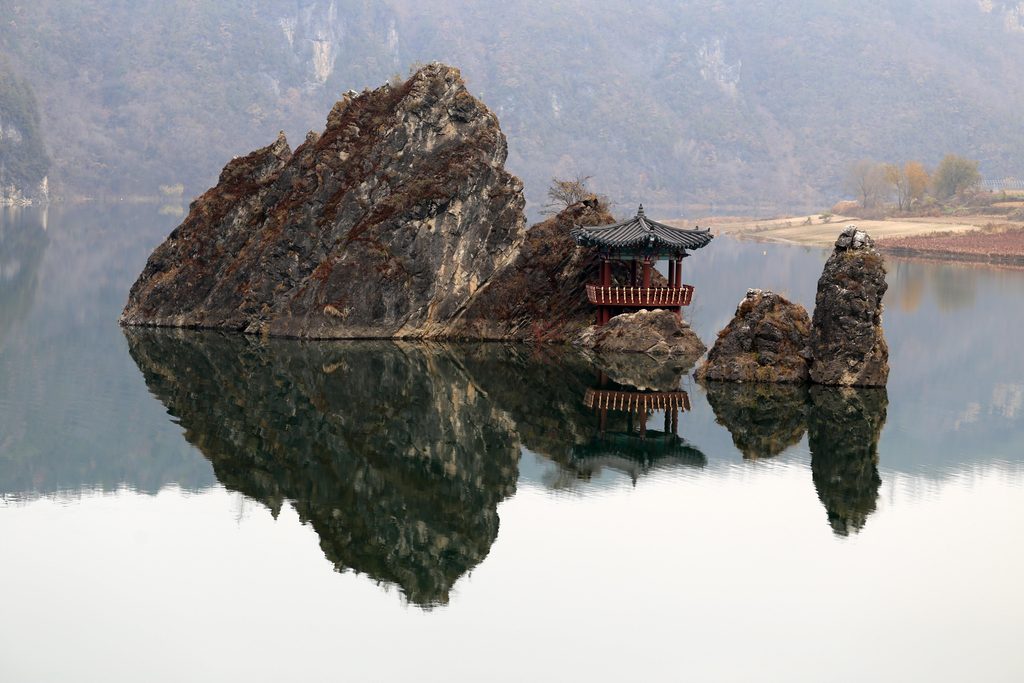
Another easy attraction to combine with the town is Gosu Cave, a large limestone cave located about 1 km from Danyang Intercity Bus Terminal. It is a useful option on hot, rainy, or very cold days when outdoor sightseeing is less comfortable.
Official Gosu Cave Information
Travelers with more time can add Mancheonha Skywalk, Sobaeksan National Park, or other parts of the Danyang Eight Scenic Views, but for a first visit, Dodamsambong and central Danyang are the easiest places to build your itinerary around.
Jecheon: Best for Lake Views & Relaxed Outdoor Travel
Jecheon is a good choice if you want lake scenery and outdoor attractions without making hiking the main focus of your trip.
One important thing to know is that Jecheon’s attractions are spread out. Uirimji Reservoir is close to the city center and works well for an easy walk, while the Cheongpung area sits farther south and is better treated as a separate sightseeing area.
Official Uirimji Reservoir Information
At Cheongpungho Lake, the Cheongpung Cable Car climbs to Bibongsan Mountain, where you get wide views over the lake and surrounding mountains. It is one of the easiest ways to experience Jecheon’s landscape without a long hike.
Official Cheongpung Cable Car Information
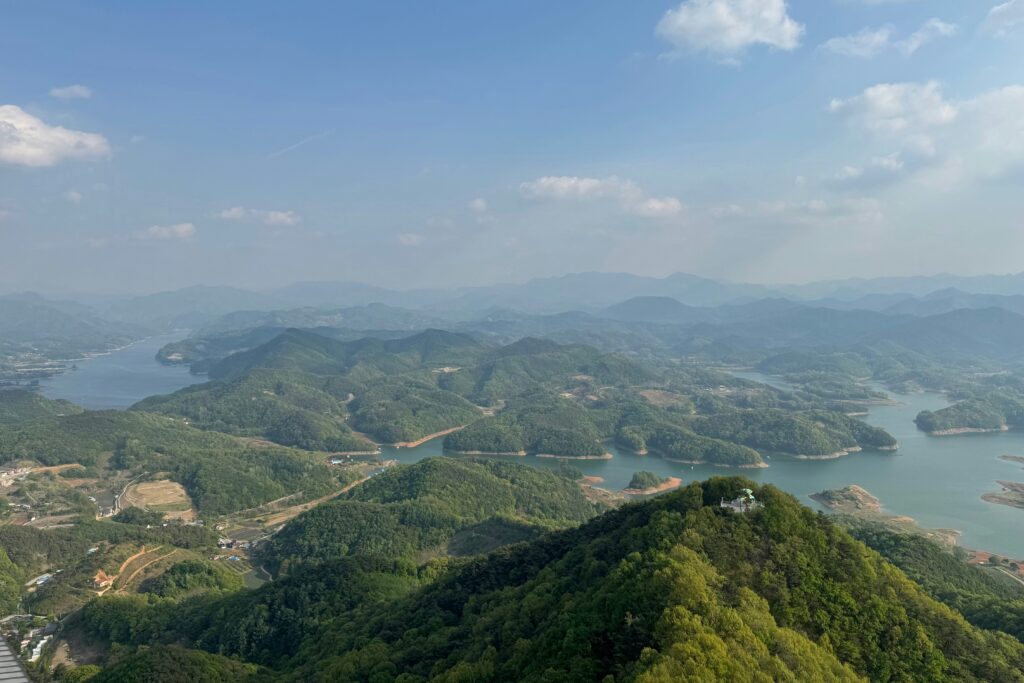
If you are using buses rather than a rental car, avoid packing too many scattered attractions into one day. A simple first visit can focus on Uirimji and central Jecheon, or spend most of the day around Cheongpungho Lake.
Chungju: Best for Lake Scenery, Hot Springs & a Slower Trip
Chungju is a good choice if you want a slower trip built around lakes, rivers, hot springs, and easy outdoor stops rather than a packed sightseeing schedule.
Chungjuho Lake stretches across Chungju, Jecheon, and Danyang, with mountain scenery surrounding much of the water. Around Chungju itself, the lake and nearby rivers are best enjoyed as part of a relaxed road trip or combined with parks and viewpoints.
Official Chungjuho Lake Information
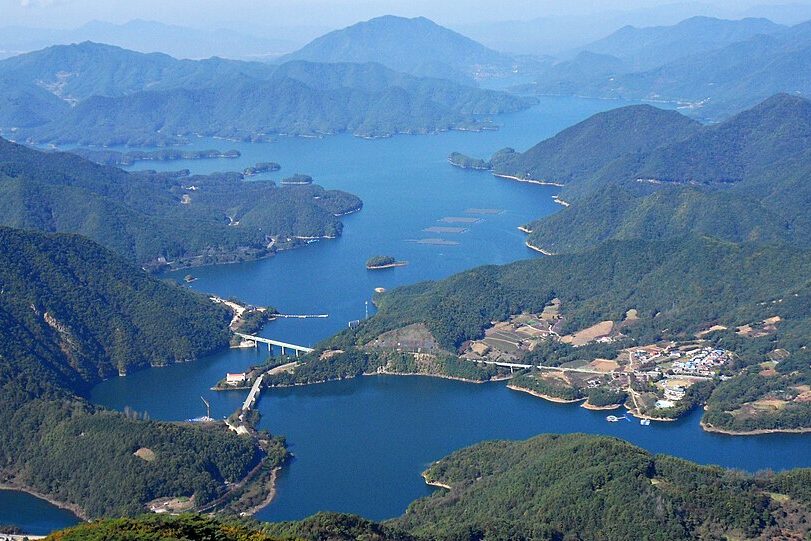
Tangeumdae Park is an easy cultural stop near the Namhangang River, with pine forest, cliffs, and viewpoints over the surrounding landscape. Farther south, Suanbo Hot Springs is one of the region’s best-known hot spring areas and works well as an overnight stop after hiking or driving around Chungcheongbuk-do.
Official Suanbo Hot Springs Information
Chungju is especially suitable for travelers with a rental car, since its main attractions are spread across a wider area than central Cheongju or Danyang.
How to Get to Chungcheongbuk-do from Seoul
There is no single station that works best for the entire province. The easiest route depends on which part of Chungcheongbuk-do you plan to visit.
| Destination | Best public transport from Seoul | Main arrival point | Typical train time |
| Cheongju | KTX or express/intercity bus | Osong Station or Cheongju bus terminal | KTX to Osong: about 40–60 min |
| Jecheon | KTX-Eum from Cheongnyangni | Jecheon Station | About 1 hr 10–20 min |
| Danyang | KTX-Eum from Cheongnyangni | Danyang Station | About 1 hr 20–30 min |
| Chungju | KTX-Eum from Pangyo | Chungju Station | About 1 hr |
For Cheongju, taking a bus directly to the city can be more convenient than using KTX. Osong Station is in Cheongju, but it is outside the main downtown area, so you still need local transportation after leaving the train.
For Jecheon and Danyang, KTX-Eum services from Cheongnyangni Station are usually the simplest option from Seoul. Chungju uses a different rail corridor: direct KTX-Eum trains run from Pangyo Station south of Seoul.
Train frequencies vary by station, and not every KTX-Eum service stops at Danyang. Check your exact travel date before building a tight itinerary.
Official Intercity Bus Booking
Getting Around Chungcheongbuk-do: Public Transport vs Rental Car
Public transportation is enough for a simple Chungcheongbuk-do trip, but a rental car becomes much more useful once you start combining lakes, mountain viewpoints, temples, and attractions outside city centers.
| Area | Without a car | Rental car advantage |
| Cheongju | Easy for major city attractions | Usually unnecessary for a city-only trip |
| Danyang | Good around the town and main sights | Useful for mountain areas and scattered viewpoints |
| Jecheon | Possible, but some attractions require extra bus or taxi transfers | Very useful around Cheongpungho Lake |
| Chungju | Possible for central sights | Useful for Chungjuho, Suanbo and wider regional travel |
Local buses are the cheapest way to get around, and T-money can be used on public transportation across Korea. In smaller cities, however, buses may run less frequently than travelers are used to in Seoul, so check your route before leaving a station or attraction.
For Danyang, staying near the town center makes a car-free trip relatively easy. Jecheon and Chungju require more planning because many nature attractions are spread across a wider area.
If you rent a car, short-term international visitors generally need to be at least 21 years old, carry a valid International Driving Permit, and present a passport or alien registration card. Some rental companies may also ask for your home-country driver’s license, so carry it with you. VISITKOREA states that rental fees must be paid with a credit card in the driver’s name, and individual companies may have additional booking requirements.
Official Korea Driving & Rental Car Guide
For both buses and driving, NAVER Map is one of the most useful navigation apps in Korea. It provides public transit directions, real-time information, driving navigation, and English-language maps.
NAVER Map Download: Android | iPhone
Where to Stay in Chungcheongbuk-do
The best place to stay depends more on your itinerary than on finding one central base for the entire province. Chungcheongbuk-do is too spread out to explore efficiently from a single city.
| Base | Best for | Useful accommodation types | Main advantage |
| Cheongju | City travel, museums, short stays | Hotels, business hotels, hanok stays | Best urban services and transport connections |
| Danyang | First-time visitors, scenery, car-free trips | Hotels, guesthouses, pensions | Easy access to the town and major sights |
| Jecheon | Cheongpungho Lake and outdoor trips | City hotels, pensions, resorts | Choice between city convenience and lake-area stays |
| Chungju / Suanbo | Lake trips, hot springs, slower stays | Hotels, pensions, hot-spring resorts | Good for relaxation and road-trip itineraries |
For a car-free trip, Danyang is one of the easiest choices. Staying around Danyang-eup keeps restaurants, the bus terminal, Gosu Cave, and several riverside sights relatively close together.
In Jecheon, choose between the city center and the Cheongpung area. Staying in central Jecheon is more practical if you depend on trains and buses, while accommodation closer to Cheongpungho Lake makes more sense if you have a rental car and plan to focus on outdoor attractions.
Cheongju has the widest range of conventional city accommodation and works well for travelers who value restaurants, shopping, and transport connections over resort scenery.
For a quieter overnight stay, Suanbo near Chungju is worth considering. The area is known for natural hot springs, with hotels and resorts offering hot-spring facilities, making it a useful stop after hiking or a longer driving day.
When booking smaller pensions, guesthouses, or traditional stays, check the latest reviews and confirm the check-in method in advance. Some smaller properties may have limited English support or require you to contact the host before arrival.
Suggested 1-Day, 2-Day & 3-Day Chungcheongbuk-do Itineraries
| Trip length | Suggested route | Best for |
| 1 day | Danyang town → Dodamsambong Peaks → Gosu Cave | First-time visitors and scenery |
| 2 days | Day 1: Danyang / Day 2: Jecheon & Cheongpungho Lake | Mountains, river and lake scenery |
| 3 days | Day 1: Cheongju / Day 2: Danyang / Day 3: Jecheon | A broader first look at the province |
For a one-day trip from Seoul, Danyang is the easiest place to focus on. Arrive in the morning, visit Dodamsambong Peaks and the riverside area, then continue to Gosu Cave before returning to the station. Trying to add Jecheon or Chungju on the same day usually creates more transit than sightseeing.
With two days, stay overnight in Danyang and use the second day for Jecheon. This gives you time for Cheongpungho Lake and the cable car area without rushing between cities.
A three-day trip can start in Cheongju for museums, markets, and urban sightseeing before continuing east to Danyang and Jecheon. This route works particularly well if you want a mix of city culture and natural scenery.
If you have a rental car, you can build a more flexible route that includes Chungjuho Lake, Suanbo Hot Springs, mountain viewpoints, or smaller temples between the major cities.
Best Time to Visit Chungcheongbuk-do
Spring and autumn are the easiest seasons for most travelers to visit Chungcheongbuk-do. Much of the province’s appeal comes from mountains, lakes, walking paths, and outdoor viewpoints, so mild weather makes a noticeable difference.
From April to May, the landscape becomes greener and outdoor sightseeing is generally comfortable. Spring works especially well for fortress walks, riverside areas, and mountain destinations without the heavier summer heat.
September to early November is another excellent period, particularly if you want autumn scenery. Mountain roads and lake areas around Danyang and Jecheon can be especially attractive as the foliage changes.
Summer is still possible, but Korea’s heat, humidity, and rainy periods can make hiking and outdoor sightseeing less comfortable. Caves, museums, cable cars, and lake attractions can be useful alternatives on very hot or wet days.
Winter is quieter and can be beautiful after snowfall, but temperatures can drop well below freezing in inland and mountain areas. Check road and attraction conditions if your itinerary includes remote viewpoints or mountain routes.
If autumn foliage is the main reason for your trip, avoid booking around one exact “peak foliage” date too far in advance. The timing changes each year depending on temperature and elevation, and higher mountain areas can change before lower cities and lakeside areas.
Practical Travel Tips for Chungcheongbuk-do
A few small preparations can make traveling around Chungcheongbuk-do much easier, especially once you leave the larger city centers.
- Keep mobile data available. You will use maps frequently for local buses, walking routes, attraction information, and translation. Public Wi-Fi exists in many places, but it should not be your only connection.
- Save important place names in Korean. Smaller restaurants, bus stops, taxi drivers, and rural attractions may not always have consistent English signage or staff.
- Carry a small amount of Korean won. Credit cards are widely accepted in Korea, but cash can still be useful at small local businesses, traditional markets, or older payment machines.
- Check opening days before traveling to remote attractions. Museums, cable cars, caves, temples, and mountain facilities can have seasonal schedules, maintenance closures, or weather-related changes.
- Plan your return transport before heading into rural areas. Bus services can become less frequent outside the main cities, so check the final connection rather than assuming you can leave whenever you want.
For broader preparation before traveling around Korea, see our Korea Travel Tips for First-Time Visitors and Korea SIM & eSIM Guide.
If you need travel information or interpretation assistance while in Korea, the Korea Tourism Organization’s 1330 Travel Helpline provides phone and real-time chat support for international visitors.
Official 1330 Korea Travel Helpline
Chungcheongbuk-do vs Chungcheongnam-do: What’s the Difference?
Chungcheongbuk-do and Chungcheongnam-do share the Chungcheong name, but they offer quite different travel experiences.
Chungcheongbuk-do is entirely inland and is better known for mountains, lakes, caves, hot springs, and smaller cities surrounded by nature. Danyang, Jecheon, Chungju, and Cheongju are the main bases covered in this guide.
Chungcheongnam-do extends to Korea’s west coast and combines Baekje history, beaches, islands, and coastal scenery. Gongju and Buyeo are the main choices for historic sites, while Boryeong and Taean are better suited to beach and coastal trips.
| Region | Best suited to | Main bases |
| Chungcheongbuk-do | Mountains, lakes, caves, hot springs | Cheongju, Danyang, Jecheon, Chungju |
| Chungcheongnam-do | Baekje history, beaches, islands, west-coast scenery | Gongju, Buyeo, Boryeong, Taean |
If beaches or Baekje-era heritage are a bigger priority for your trip, see our Chungcheongnam-do Travel Guide for Gongju, Buyeo, Boryeong, Taean, and the west coast.
Frequently Asked Questions
Can you travel around Chungcheongbuk-do without a car?
Yes. Cheongju and Danyang are relatively easy to visit without a car, and Jecheon and Chungju are also connected by trains and buses. A rental car becomes more useful if you want to combine lake areas, mountain viewpoints, temples, or attractions outside the main city centers.
How many days do you need in Chungcheongbuk-do?
One day is enough for a focused trip to Danyang, while two to three days give you time to combine two or three areas without spending most of the trip in transit. For a first visit, Danyang and Jecheon make an easy two-day combination.
Should you choose Danyang or Jecheon?
Choose Danyang if you want dramatic river and mountain scenery with several attractions relatively close to town. Choose Jecheon if lake scenery and a slower outdoor trip around Cheongpungho are more important to you. Travelers with two days can reasonably visit both.
Final Thoughts
Chungcheongbuk-do is a good choice for travelers who want to see a quieter, more nature-focused side of Korea beyond the major tourist cities.
For a first visit, Danyang is the easiest place to start, especially if mountain and river scenery are your priority. Add Jecheon for Cheongpungho Lake, choose Cheongju for a more urban cultural trip, or include Chungju and Suanbo if you have a rental car and prefer a slower itinerary.
You do not need to cover the entire province in one trip. Pick one or two areas that match your interests, leave enough time for local transportation, and Chungcheongbuk-do can be an easy addition to a longer Korea itinerary.
If you want to add a larger city to your central Korea itinerary, our Daejeon Travel Guide covers science attractions, hot springs, local food, transport, and an easy one-day route.