
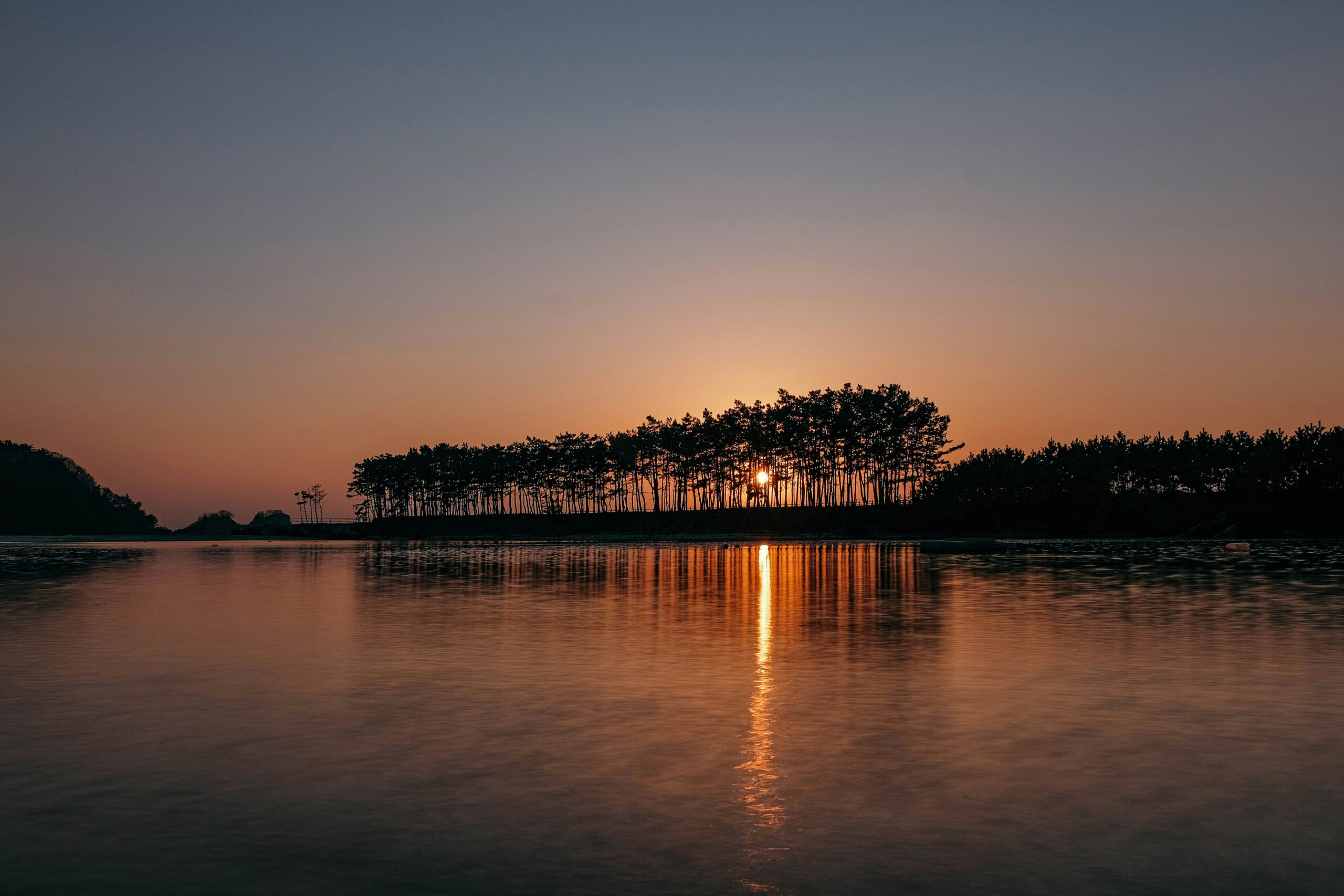
Chungcheongnam-do, also known as South Chungcheong Province, is a good choice if you want to combine Baekje history, west-coast scenery, beaches, and smaller Korean cities in one trip. Gongju and Buyeo are the main stops for historic sites, while Boryeong and Taean are better for coastal scenery and seasonal trips.
The main challenge is transportation. Some destinations are easy to reach by train or express bus, while others take more planning with local buses or are much easier with a rental car. This Chungcheongnam-do Travel Guide compares the main places to visit, transport options, where to stay, and how to plan a practical itinerary.
- Quick Answer: Where Should You Go in Chungcheongnam-do?
- Best Places to Visit in Chungcheongnam-do
- How to Get to Chungcheongnam-do
- Getting Around Chungcheongnam-do
- Where to Stay in Chungcheongnam-do
- How Many Days Do You Need in Chungcheongnam-do?
- Best Time to Visit Chungcheongnam-do
- Practical Travel Tips for Chungcheongnam-do
- Final Thoughts
Quick Answer: Where Should You Go in Chungcheongnam-do?
| Area | Best for | Main highlights | Good trip length |
| Gongju | Baekje history and an easy cultural trip | Gongsanseong Fortress, royal tombs, museums | 1 day |
| Buyeo | Deeper Baekje history and slower sightseeing | Gungnamji Pond, Baekje Cultural Land, historic sites | 1 day |
| Boryeong | Beaches and summer trips | Daecheon Beach, coastal scenery, seasonal festivals | 1–2 days |
| Taean | Nature, beaches, and road trips | Coastal landscapes, beaches, sand dunes | 1–2 days |
For a first visit, Gongju and Buyeo work well together if history is your priority. Choose Boryeong or Taean instead if you mainly want the west coast, especially in warmer months.
Travelers with more time can combine one historical area with one coastal area, but transport between smaller destinations requires more planning than travel between Korea’s major cities.
Best Places to Visit in Chungcheongnam-do
Gongju: Best for Baekje History
Gongju is one of the best places in Chungcheongnam-do for travelers interested in Baekje history without the crowds of Korea’s major tourist cities. The city served as the Baekje capital from 475 to 538, and several important sites are concentrated close enough to combine in a day.
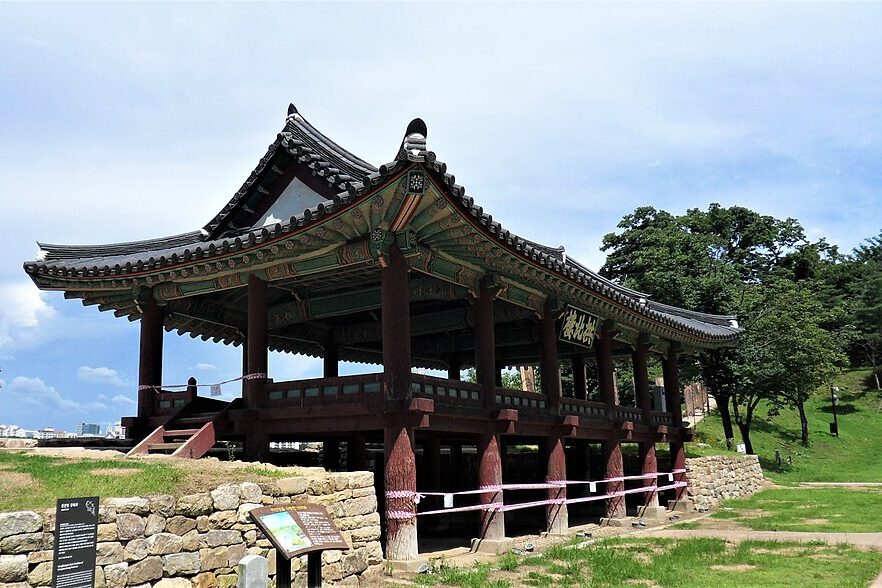
Start with Gongsanseong Fortress, where you can walk along the historic walls and look over the Geumgang River and central Gongju. Then continue to the Tomb of King Muryeong and Royal Tombs and the nearby Gongju National Museum. If you still have time, Sanseong Market is an easy stop for local food and Gongju’s chestnut specialties.
Gongju works well as a day trip or one-night stop. Staying overnight gives you more time to explore the historic area at a slower pace before continuing to Buyeo.
Buyeo: Best for a Deeper Baekje History Trip
Buyeo was the final capital of the Baekje Kingdom, and it is a good choice if you want to go deeper into Baekje history after visiting Gongju. Many of the main historic sites are concentrated around Buyeo-eup, so the area works well for a focused day of sightseeing.
Start with Busosanseong Fortress and the nearby Gwanbuk-ri archaeological site, then visit the Buyeo National Museum or Jeongnimsa Temple Site for more historical context. Gungnamji Pond offers a quieter change of pace, especially during lotus season, while Baekje Cultural Land is useful if you want to see large-scale reconstructions of Baekje-era palaces and temples.
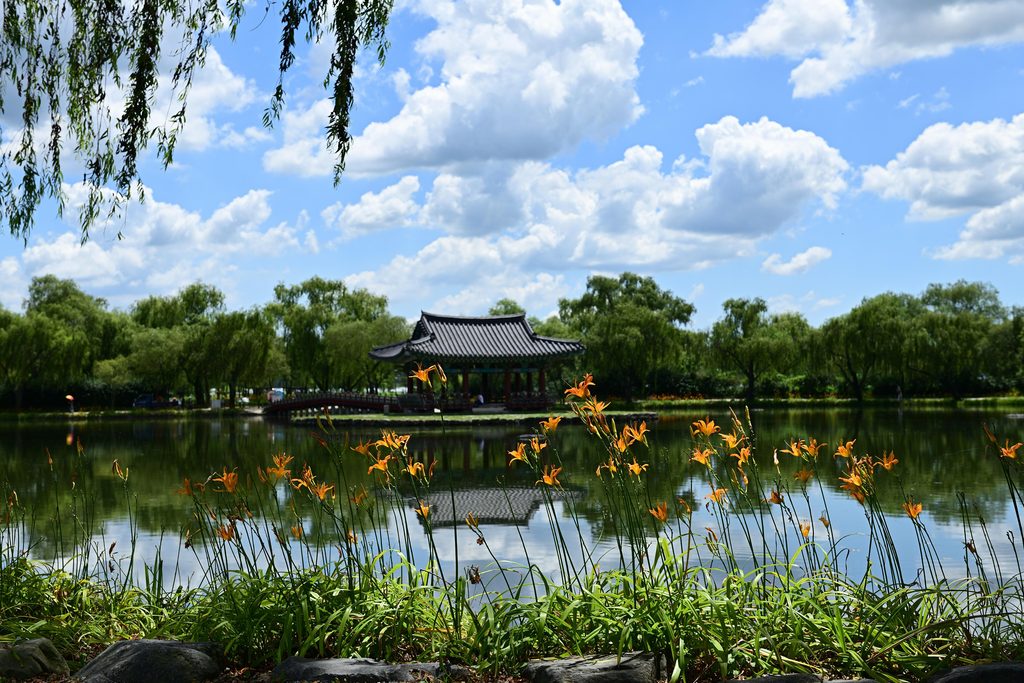
Buyeo can be visited as a day trip, but staying one night makes it easier to combine the historic center with Baekje Cultural Land without rushing. Travelers mainly interested in Baekje history can also combine Gongju and Buyeo as a two-day route.
Boryeong: Best for Beaches and Summer Festivals
Boryeong is the easiest choice in Chungcheongnam-do if you want a west-coast beach trip rather than a history-focused itinerary. Daecheon Beach is the main visitor area, with a long sandy shoreline, accommodations, restaurants, and sunset views over the Yellow Sea.
In summer, Daecheon Beach becomes the center of the Boryeong Mud Festival, one of Korea’s best-known festivals among international visitors. Outside the festival period, Boryeong still works well as a relaxed beach stop, while Muchangpo Beach is another option farther south.
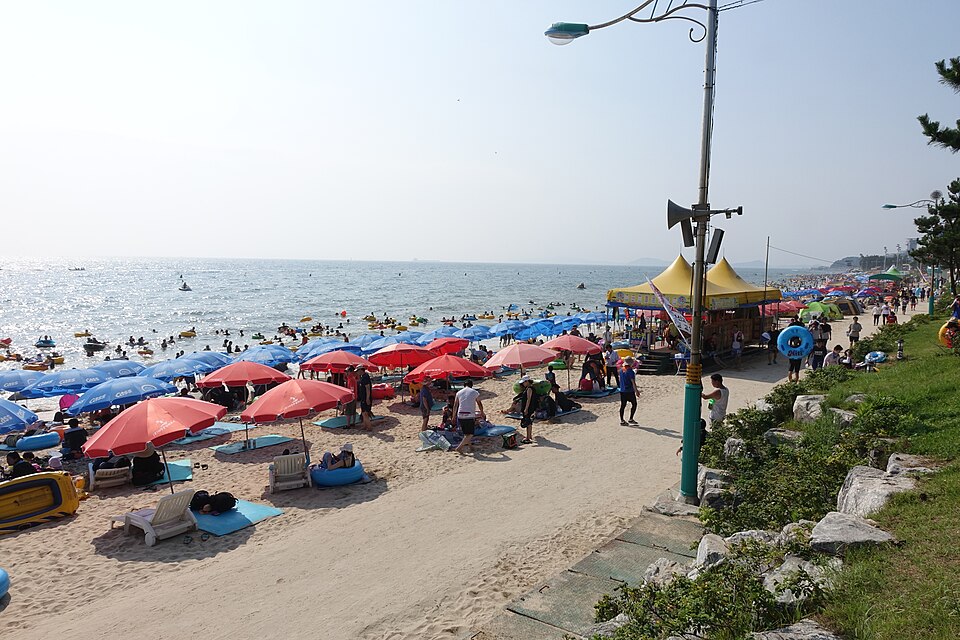
A day is enough for the main beach area, but staying overnight makes more sense if you want an evening by the coast or are attending the Mud Festival. Check the official festival schedule before booking a summer trip, as dates and ticket details change each year.
Taean: Best for Coastal Scenery and Road Trips
Taean is a better choice than Boryeong if you want to explore several beaches, coastal landscapes, and quieter nature spots rather than stay around one main beach area. Much of the peninsula is shaped by the Taeanhaean National Park, with beaches, islands, rocky coastline, and sunset viewpoints spread across a wide area.
Mallipo Beach is one of the easiest places to start, while the Sinduri Coastal Sand Dune offers a very different landscape just north of the main beach areas. Farther south, Anmyeondo Island has beaches, pine forests, and coastal viewpoints that work well as part of a longer road trip.
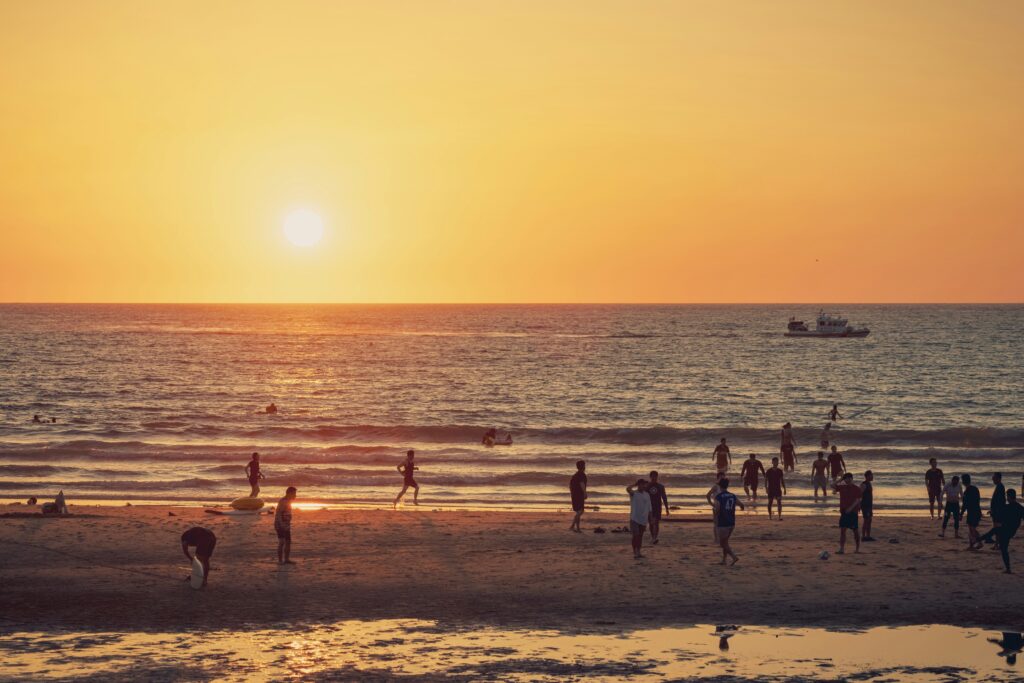
Taean is possible without a car, but a rental car makes beach-hopping and exploring the peninsula much easier because attractions are spread out. Plan at least one full day, or stay one or two nights if the coast is a major part of your Chungcheongnam-do trip.
How to Get to Chungcheongnam-do
The best way to reach Chungcheongnam-do depends heavily on your destination. Gongju and Boryeong have useful rail connections, while Buyeo and Taean are usually more practical by intercity bus.
| Destination | Best option to check first | Main arrival point | Practical note |
| Gongju | KTX or bus | Gongju Station / Gongju Bus Terminal | KTX is fast, but Gongju Station requires a local transfer to the historic center |
| Buyeo | Intercity bus | Buyeo Intercity Bus Terminal | Bus is usually more convenient because Buyeo has no main passenger rail station |
| Boryeong | Train or bus | Daecheon Station / Boryeong Bus Terminal | Both work well; choose based on your departure point and schedule |
| Taean | Intercity bus | Taean Bus Terminal | There is no railway into central Taean, so bus or rental car is more practical |
From Seoul, do not assume that the train is always faster door to door. A bus can bring you closer to the center of smaller cities, while a train may require another local bus or taxi after arrival.
For Boryeong, direct trains run between the Seoul area and Daecheon Station, while long-distance buses also serve Boryeong. For Gongju, KTX is useful if the timetable fits your trip, but check the onward connection from Gongju Station before choosing it.
Official Bustago Intercity Bus Reservation
For Buyeo and Taean, search intercity bus routes first. Routes and departure terminals can change, so check your exact travel date rather than relying on an old timetable.
Getting Around Chungcheongnam-do
Public transportation is workable for the main cities, but getting around becomes less convenient once you start visiting beaches, rural attractions, or several places in one day.
| Transport | Best for | Main advantage | Main drawback |
| Local bus | Gongju, Buyeo and travelers staying near town centers | Cheapest option | Longer waits and fewer connections in rural areas |
| Taxi | Short gaps between attractions or bus terminals | Saves time on awkward local connections | Costs add up over longer distances |
| Rental car | Taean, coastal trips and multi-stop itineraries | Maximum flexibility | Requires a valid license setup and comfort driving in Korea |
For local buses, carrying a T-money transportation card is the simplest option. Tap when boarding and follow the local rules for tapping when you get off; transfer policies can vary by city.
A taxi can be useful for the final stretch from a station or bus terminal, especially when the next local bus is infrequent. For a single city such as Gongju or Buyeo, combining buses and occasional taxis is usually enough.
A rental car becomes much more useful in Taean and other coastal or rural areas, where beaches and viewpoints can be far apart. Foreign tourists renting a car in Korea generally need an accepted international driving permit, their passport, and must meet the rental company’s age and payment requirements.
Official Korea Driving & Rental Car Guide
Where to Stay in Chungcheongnam-do
Where you stay matters more than choosing one “central” base for the whole province. Gongju and Buyeo are better for history-focused trips, while Boryeong and Taean make more sense for coastal stays.
| Area | Best for | Where to base yourself |
| Gongju | Baekje history and short cultural trips | Near the historic center, Gongsanseong Fortress, or Sanseong Market |
| Buyeo | A slower Baekje-focused stay | Buyeo-eup near the main historic sites and bus terminal |
| Boryeong | Beach trips and the Mud Festival | Around Daecheon Beach |
| Taean | Coastal road trips and nature | Mallipo for the northwest coast or Anmyeondo for the southern peninsula |
If you are visiting Gongju and Buyeo together, you do not necessarily need to change accommodation every night. Choose one as your overnight stop based on your transport schedule and continue to the other the next day.
For Boryeong, Daecheon Beach is the most convenient base for most leisure travelers because restaurants and visitor facilities are concentrated around the beach area. Taean is more spread out, so choose accommodation close to the part of the peninsula you actually plan to explore rather than booking by price alone.
Travelers without a car should also check the distance from the nearest bus stop or terminal before booking, especially in Taean.
How Many Days Do You Need in Chungcheongnam-do?
One day: Choose one area rather than trying to cross the province. Gongju works well for a history-focused day trip, while Boryeong is better if your priority is Daecheon Beach.
Two days: Combine Gongju + Buyeo for a Baekje history trip, or spend two days around Boryeong + Taean if you prefer beaches and coastal scenery.
Three to four days: Mix one historical area with the west coast. A practical route could be Gongju → Buyeo → Boryeong, with Taean added if you have a rental car and want more time by the coast.
Avoid packing all four areas into a short trip. Travel between smaller cities and coastal attractions can take longer than the map suggests, especially when you depend on local buses.
Best Time to Visit Chungcheongnam-do
Spring and autumn are the easiest seasons for most travelers, especially if your trip focuses on Gongju, Buyeo, or outdoor sightseeing. Temperatures are generally more comfortable for walking between historic sites and exploring smaller cities.
Spring is especially attractive in Taean, where flower parks and coastal scenery can be combined in the same trip. Summer is better for Boryeong and Taean beach trips, but it is also hotter, more humid, and busier during major holiday and festival periods.
Autumn works well for both historical and coastal itineraries, with cooler weather and good conditions for walking. Winter is quieter and can be useful if you prefer fewer visitors, but beach-focused trips are much less appealing.
If you are planning your trip around a festival, flower season, or beach event, check the current dates before booking because schedules change from year to year.
Practical Travel Tips for Chungcheongnam-do
A few preparations make traveling around Chungcheongnam-do much easier, especially once you leave the larger cities.
- Use NAVER Map for local navigation. It supports English and provides public-transport directions, bus information, walking routes, and driving navigation in Korea.
NAVER Map Download: Android | iPhone
- Keep mobile data available. Real-time maps, bus information, translation tools, and last-minute schedule checks are much easier with a working SIM or eSIM.
- Save important place names before you travel. Smaller attractions, bus stops, and rural accommodations can sometimes be easier to identify when you have both the English and Korean name available.
- Allow extra time for rural connections. Missing one infrequent local bus can affect the rest of your itinerary more than it would in Seoul or Busan.
If you need travel information or interpretation assistance, the 1330 Korea Travel Helpline provides tourist information and multilingual support by phone and online chat.
Official 1330 Korea Travel Helpline
Final Thoughts
Chungcheongnam-do works best when you choose a route around your main interest instead of trying to cover the entire province. Gongju and Buyeo are the strongest combination for Baekje history, while Boryeong and Taean are better for beaches and west-coast scenery.
Public transportation is enough for a focused city trip, but a rental car becomes much more useful when exploring Taean or combining several coastal stops. Give yourself extra travel time between smaller destinations, and check current transport and festival schedules before you go.
If you prefer mountains, lakes, caves, and hot springs over west-coast scenery, see our Chungcheongbuk-do Travel Guide.
If this is your first trip to Korea, our Korea Travel Tips for First-Time Visitors also covers practical basics such as navigation, payments, connectivity, and everyday travel preparation.
If you are also exploring central Korea, our Daejeon Travel Guide covers the city’s main attractions, transport, food, hot springs, and a practical one-day itinerary.