
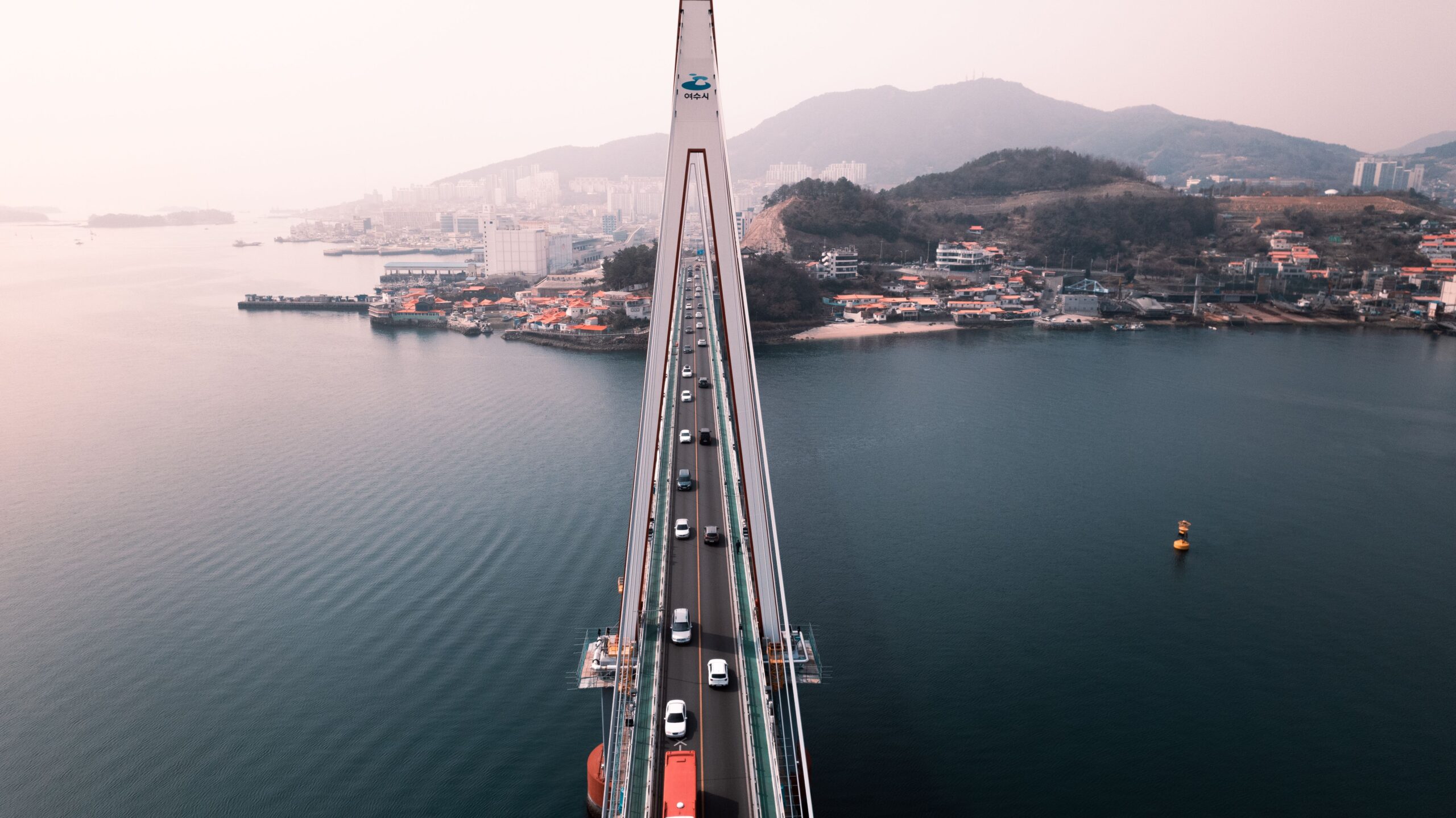
Jeonnam-Gwangju is one of South Korea’s most varied regions, combining coastal cities, islands, wetlands, mountains, historic neighborhoods, food destinations, and some of the country’s best-known southern scenery. Yeosu and Suncheon are strong choices for nature and coastal travel, while Mokpo offers maritime history and island access, and Gwangju works well for culture, food, and city sightseeing.
Since July 1, 2026, the former Jeollanam-do and Gwangju Metropolitan City have been combined as Jeonnam-Gwangju Special Metropolitan City. Older maps, travel websites, hotel listings, and transport information may still use names such as Jeollanam-do, South Jeolla, or Gwangju Metropolitan City, so seeing different regional names does not necessarily mean you are looking at a different destination.
This Jeonnam-Gwangju travel guide will help you decide which places are worth adding to your trip, how to get there from Seoul and other parts of Korea, whether you need a rental car, where to stay, and how many days to spend exploring the region.
- Jeonnam-Gwangju at a Glance
- Best Places to Visit in Jeonnam-Gwangju
- How Many Days Do You Need in Jeonnam-Gwangju?
- How to Get to Jeonnam-Gwangju
- Getting Around Jeonnam-Gwangju: Public Transport vs Rental Car
- Where to Stay in Jeonnam-Gwangju
- Best Time to Visit Jeonnam-Gwangju
- Practical Travel Tips for Jeonnam-Gwangju
- Jeonnam-Gwangju Travel FAQ
- Final Thoughts
Jeonnam-Gwangju at a Glance
Jeonnam-Gwangju covers a large area, so trying to see everything in one trip is rarely practical. For most travelers, it is better to choose two or three places that match your interests and build the route around them.
| Destination | Best for | Main highlights | Suggested time |
| Yeosu | Coastal scenery, islands, couples | Ocean views, cable car, waterfront, night scenery | 1–2 days |
| Suncheon | Nature, gardens, slow travel | Suncheon Bay, national garden, wetlands | 1–2 days |
| Mokpo | Port culture, history, island trips | Yudalsan, marine cable car, old town, ferry connections | 1–2 days |
| Gwangju | Culture, history, food | Museums, modern history, markets, Mudeungsan | 1–2 days |
| Boseong | Tea fields, scenery, photography | Green tea plantations, tea culture | Half day–1 day |
| Damyang | Bamboo forests, easy side trips | Juknokwon, bamboo scenery, walking routes | Half day–1 day |
First-time visitors usually get the most balanced trip by combining one major base with one or two nearby destinations. Gwangju works well as an inland base, while Yeosu, Suncheon, and Mokpo are better choices if the coast is the main reason for your trip.
You do not need to visit all six places. A short trip is usually more enjoyable when you spend less time changing hotels and more time exploring one part of the region properly.
Best Places to Visit in Jeonnam-Gwangju
The best places in Jeonnam-Gwangju are spread across the coast and inland areas, and each destination has a different travel style. Rather than rushing through the entire region, choose a few places that fit your interests and available time.
Yeosu — Best for Coastal Views and Island Scenery
Yeosu is one of the easiest places to choose if you want a coastal trip. The city combines sea views, islands, waterfront neighborhoods, seafood, and attractions that stay enjoyable into the evening. Yeosu’s official tourism site highlights Odongdo, Hyangiram, the maritime cable car, the Expo area, and the city’s night scenery among its signature sights.
For a one-day visit, focus on Odongdo and the waterfront before taking in the views around Dolsan Park or the cable car later in the day. With two days, you have enough time to add Hyangiram or explore farther along the coast without turning the trip into a checklist.
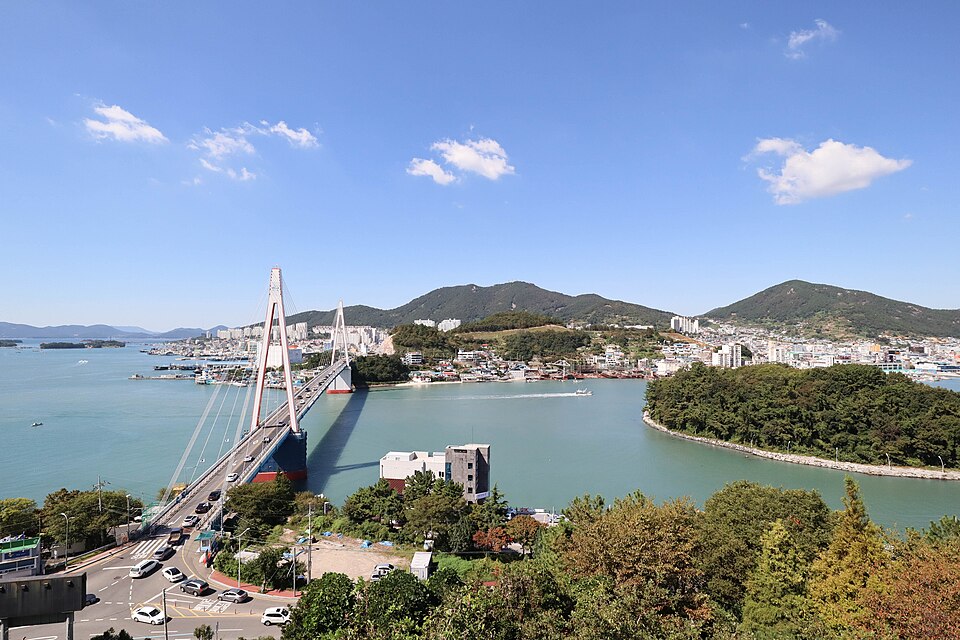
Yeosu is especially worth considering for couples, photographers, and travelers who want scenery and food rather than a schedule dominated by museums or historic sites.
Official Yeosu Tourism Information
Suncheon — Best for Wetlands and Gardens
Suncheon is the strongest choice in the region for travelers who prefer wetlands, gardens, and slower-paced nature trips. Its two signature attractions are Suncheonman Wetland, known for extensive reed fields and tidal flats, and Suncheonman National Garden, Korea’s first designated national garden.
If you have one full day, combine the national garden with Suncheonman Wetland and allow enough time to walk rather than rushing between viewpoints. The wetland is particularly atmospheric around the reed fields and toward sunset, while the garden offers a more landscaped and accessible experience.
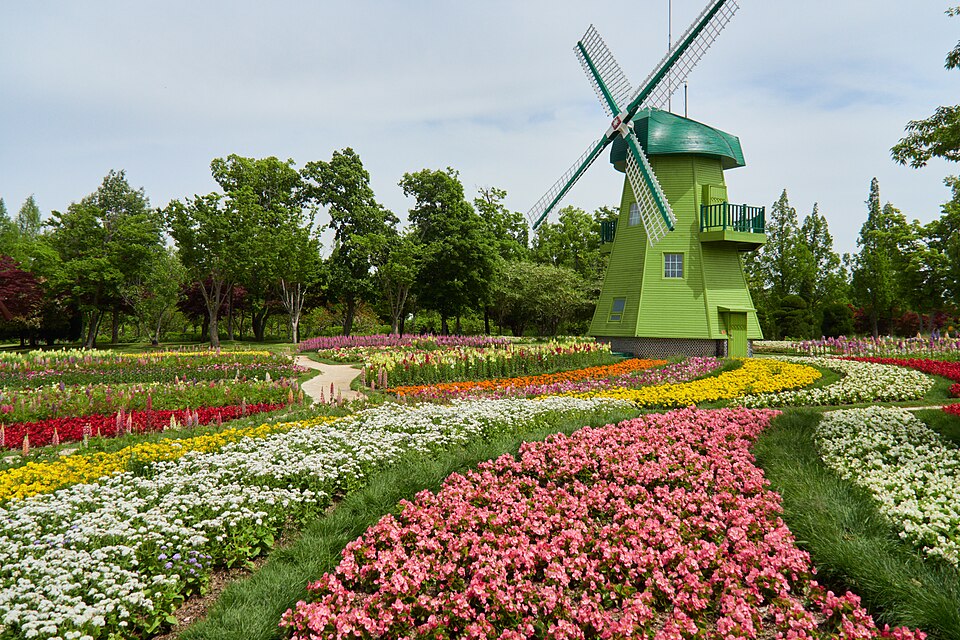
Suncheon also pairs naturally with nearby Yeosu. Travelers with limited time can stay in either city and visit the other, while a slower itinerary can give each destination a full day.
Official Suncheon English Travel Guide
Mokpo — Best for Port History and Island Connections
Mokpo is a compact port city where coastal scenery, modern history, seafood, and island travel come together. The city developed around its port after opening to international trade in the late 19th century, and parts of the old downtown still preserve buildings and streets connected to that period.
For a first visit, combine Yudalsan Mountain and the old downtown area with the waterfront. The Mokpo Marine Cable Car is another good way to see the city, crossing from North Port over Yudalsan and the sea toward Gohado Island. The route gives you a broad view of Mokpo’s harbor, surrounding islands, and coastline.
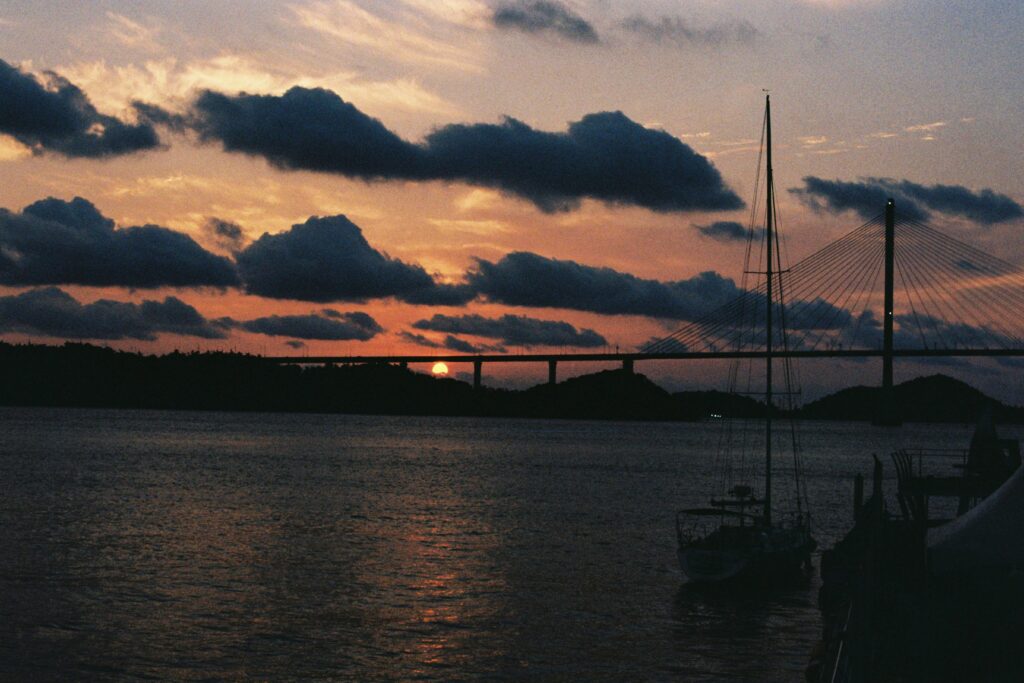
Mokpo is also useful as a base for travelers heading farther into the southwest islands. Ferries from Mokpo connect with destinations including Hongdo and other islands around Shinan, so an overnight stay here can make sense if an island trip is part of your itinerary. Ferry schedules can change with weather, so check the latest departure information before building a tight connection.
Official Mokpo Travel Information
Gwangju — Best for Culture, Modern History and Food
Gwangju is the best urban base in the region for travelers who want museums, contemporary culture, modern history, and local food without relying heavily on a car. The Asia Culture Center (ACC) is the city’s major cultural landmark, with exhibitions, performances, public spaces, and year-round programs in the downtown area.
For a first visit, combine the ACC with Yangnim-dong, where traditional houses, early modern architecture, galleries, and small cultural spaces are concentrated within a walkable neighborhood. If you have another day, Mudeungsan National Park gives you a completely different side of Gwangju with mountain scenery and hiking close to the city.
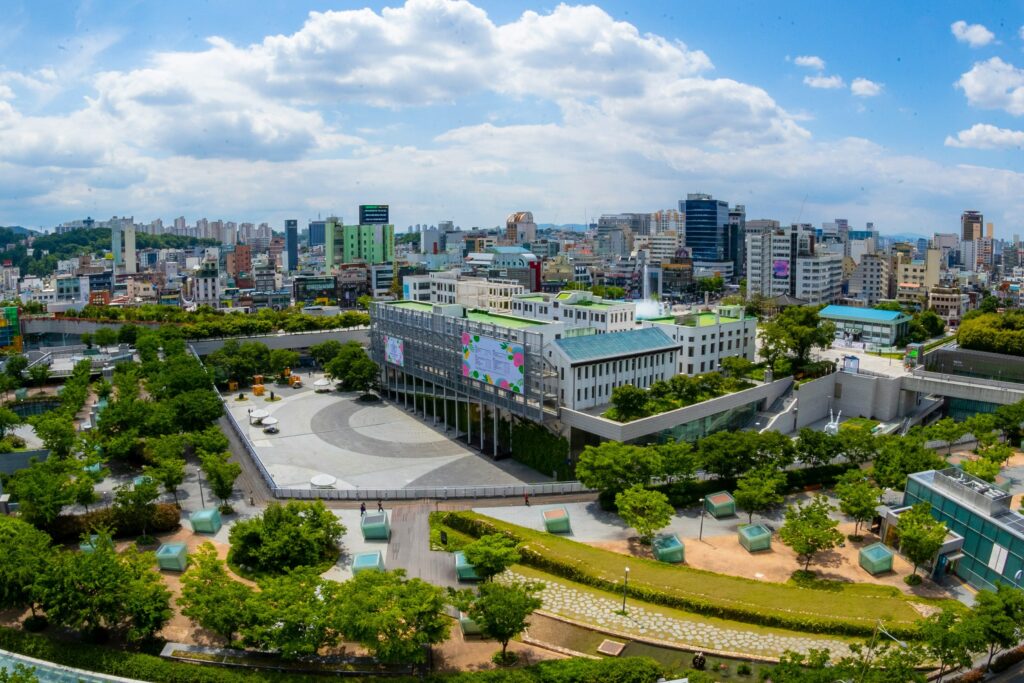
Gwangju is also a good choice if food is an important part of your trip. Instead of trying to cover the entire city, spend time around downtown and a traditional market, then add one cultural neighborhood or mountain outing depending on your interests.
Official Asia Culture Center Information
Boseong — Best for Green Tea Fields
Boseong is best known for its rolling green tea fields, making it an easy choice for travelers who want distinctive scenery rather than another city stop. The most famous place to visit is Daehan Dawon Tea Plantation, where rows of tea bushes climb the hills alongside cedar and bamboo paths.
You can see the main plantation in a few hours, so Boseong works well as a half-day or full-day stop rather than a necessary overnight destination. Travelers with more time can also combine the tea fields with the Korean Tea Culture Park or continue toward Yulpo Beach on the coast.
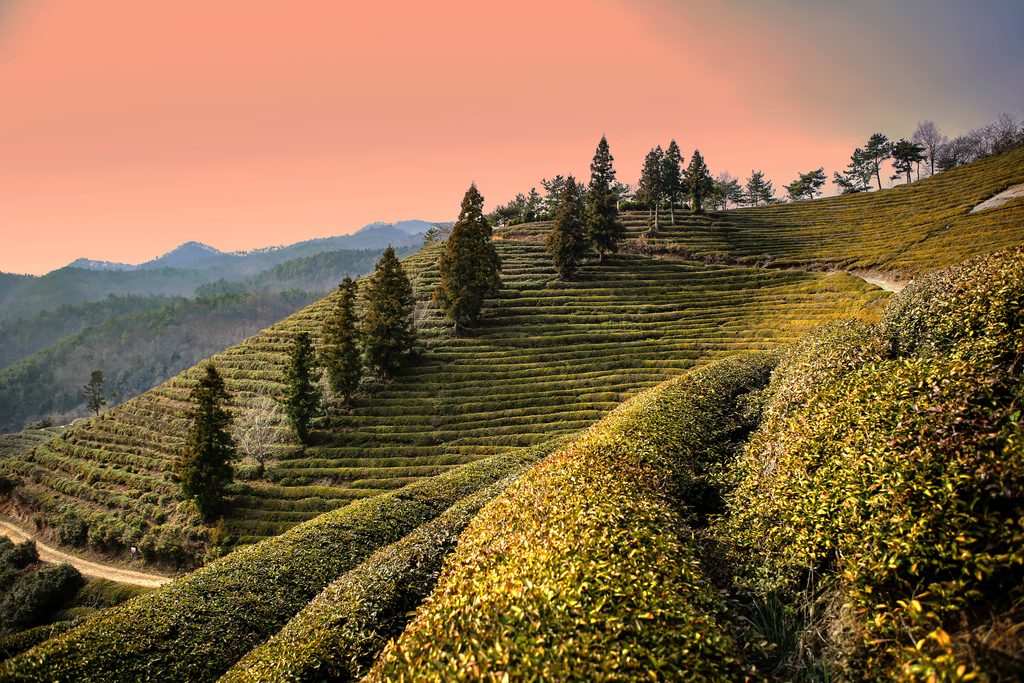
The landscape changes with the seasons, but the tea fields are particularly photogenic when the vegetation is lush. If photography is one of your priorities, avoid squeezing Boseong into a rushed transfer day and allow time to walk through the plantation viewpoints.
Official Daehan Dawon Visitor Information
Damyang — Best for Bamboo Forests and a Relaxing Side Trip
Damyang is best known for Juknokwon, a large bamboo garden filled with shaded walking paths and towering bamboo groves. It is a good choice when you want a quiet nature stop that feels completely different from nearby Gwangju.
Most first-time visitors should make Juknokwon the priority. If you have more time, you can also add Damyang Metasequoia-lined Road, where tall trees form one of the region’s most distinctive walking routes.
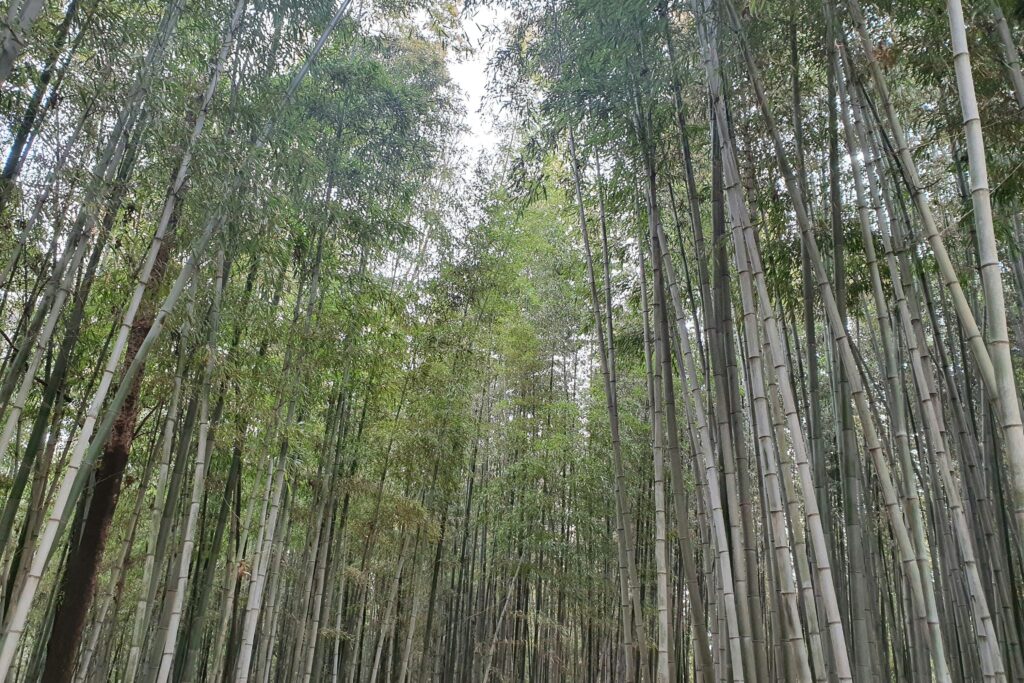
Damyang works well as a half-day or full-day trip rather than a place you need to rush through several attractions. Give yourself time to walk, stop for food, and enjoy the forest rather than treating it as a quick photo stop.
Official Juknokwon Visitor Information
How Many Days Do You Need in Jeonnam-Gwangju?
For most travelers, 3 to 4 days is a comfortable amount of time for Jeonnam-Gwangju. The region is large, so the best itinerary depends more on which part you want to explore than on trying to cover every major destination.
2 Days — Choose One Area
With two days, stay focused on one cluster.
- Yeosu + Suncheon for coastal scenery, gardens, and wetlands
- Gwangju + Damyang for culture, food, and bamboo forests
- Mokpo + nearby coastal sights for port history and sea views
Trying to combine Mokpo, Gwangju, and Yeosu in only two days usually means too much time in transit.
3 Days — Best for a First Trip
Three days gives you enough time to combine a major city with nearby destinations without changing hotels every night.
A good first-time route is:
Day 1: Suncheon
Day 2: Yeosu
Day 3: Yeosu or a slower coastal day
Another easy option is:
Day 1: Gwangju
Day 2: Damyang
Day 3: Gwangju or Boseong
4–5 Days — Explore Two Parts of the Region
With four or five days, you can combine two different travel styles, such as Gwangju and Damyang with Suncheon and Yeosu, or add Mokpo if southwest coastal travel is a priority.
For a longer trip, avoid changing accommodation every night. Using one or two bases usually makes the trip easier, especially if you are traveling by public transportation.
How to Get to Jeonnam-Gwangju
For most international travelers coming from Seoul, KTX is the easiest way to reach the major cities of Jeonnam-Gwangju. Gwangju-Songjeong, Mokpo, Suncheon, and Yeosu EXPO all have rail connections, while express and intercity buses are often more useful for smaller destinations such as Damyang and Boseong.
| Destination | Main rail station | Best option from Seoul | Good for |
| Gwangju | Gwangju-Songjeong | KTX | Gwangju, Damyang |
| Mokpo | Mokpo Station | KTX | Mokpo, southwest coast, island connections |
| Suncheon | Suncheon Station | KTX or intercity bus | Suncheon, Boseong, eastern region |
| Yeosu | Yeosu EXPO Station | KTX | Yeosu and the southern coast |
By KTX
KTX is usually the most convenient choice if your first destination is Gwangju, Mokpo, Suncheon, or Yeosu. Yongsan Station is an important Seoul departure point for Honam and Jeolla Line trains, but individual services and departure stations can vary, so check your exact train before traveling.
Advance reservations are worth considering for weekends, public holidays, and busy travel periods. Use the official KORAIL website to compare departure times, fares, and available seats rather than relying on a fixed timetable in a travel guide.
By Express or Intercity Bus
Buses become more useful once you travel beyond the main railway cities. From Seoul, many southwestern routes depart from Central City Bus Terminal, including services toward Gwangju, Mokpo, Suncheon, and Yeosu. Regional buses can also be more practical than trains when traveling between smaller cities and towns.
For destinations such as Damyang, Boseong, and other rural areas, compare the bus route with a train-plus-local-transport combination before booking. A direct bus can sometimes save you an unnecessary transfer.
Official Korea Express & Intercity Bus Guide
What Is the Easiest Option?
If this is your first trip to the region, a simple rule works well: take KTX to your main base, then use buses or local transportation for shorter regional trips.
Travelers focusing on Gwangju and Damyang can start at Gwangju-Songjeong Station, while Suncheon or Yeosu are better gateways for the eastern coast. Mokpo is the natural starting point for the southwest and for travelers continuing toward island ferry routes.
If your itinerary includes several rural destinations, renting a car can save considerable transfer time. We will compare driving and public transportation separately below.
Getting Around Jeonnam-Gwangju: Public Transport vs Rental Car
You do not need a rental car for every Jeonnam-Gwangju trip. Gwangju, Yeosu, Suncheon, and Mokpo can all be explored by a combination of trains, city buses, and taxis, especially if you stay near a railway station or central sightseeing area.
A car becomes more useful when your itinerary includes several rural or coastal destinations, such as Boseong, Damyang, smaller beaches, mountain areas, or stops outside the main city centers.
| Trip style | Public transport | Rental car | Better choice |
| Gwangju city trip | Easy | Usually unnecessary | Public transport |
| Yeosu + Suncheon | Practical | Helpful but not essential | Public transport for most travelers |
| Gwangju + Damyang | Possible by bus | More flexible | Either |
| Several rural/coastal stops | Transfers can take time | Much more flexible | Rental car |
Using Buses and Taxis
A transportation card is the easiest way to use local buses. Gwangju city buses operate cashless, and using a T-money or other compatible Korean transportation card also makes transfers and everyday travel simpler.
In smaller cities and rural areas, the main issue is usually not the fare but the frequency of service. Check your return bus before heading to an attraction outside the city center, especially later in the day.
Taxis are useful for filling short gaps between a station, hotel, and attraction when the bus route is inconvenient. They can also make a public-transport itinerary much easier without the cost and responsibility of renting a car for the entire trip.
When a Rental Car Is Worth It
Consider renting a car if you plan to visit several countryside attractions in one day or want to explore smaller coastal areas that require multiple bus transfers. A car gives you much more flexibility for stops between cities and can be especially useful for families or groups traveling with luggage.
Short-term foreign visitors generally need to be at least 21 years old, carry a valid international driving permit and passport, and have been in Korea for less than one year. Some rental companies also ask for your original home-country driver’s license, so it is safest to bring it with you. Payment is generally required with a credit card in the driver’s name, and individual rental companies may have additional rules.
Official Korea Driving & Rental Car Guide
If your trip is mostly Gwangju, Yeosu, Suncheon, and Mokpo, however, renting a car is usually a convenience rather than a necessity.
Use NAVER Map for Local Routes
For both public transportation and driving, NAVER Map is one of the most useful navigation apps in Korea. It provides public-transit directions, bus information, driving navigation, and an English interface, making it particularly useful once you leave the main tourist routes.
NAVER Map Download: Android | iPhone
Where to Stay in Jeonnam-Gwangju
Where you stay matters more than choosing a particular hotel brand. For most travelers, the easiest approach is to pick one main base for each part of the region rather than changing accommodation every night.
| Base | Best for | Convenient area | Good choice if… |
| Gwangju | Culture, food, Damyang side trips | Downtown near ACC / Chungjang-ro | You want the easiest urban base |
| Yeosu | Coast, night views, islands | Yeosu EXPO Station or central waterfront | Coastal scenery is your priority |
| Suncheon | Gardens, wetlands, Boseong | Near Suncheon Station or National Garden area | You want nature-focused day trips |
| Mokpo | Port history, islands, southwest coast | Mokpo Station / old downtown or waterfront | You plan to explore the southwest |
Which Base Is Best for You?
Choose Gwangju if you want restaurants, museums, markets, and easy access to Damyang without renting a car. Staying around the downtown cultural district also puts the Asia Culture Center, Chungjang-ro, and several central attractions within a relatively compact area.
Choose Yeosu if coastal scenery and evening atmosphere matter most. Staying near Yeosu EXPO Station is convenient for rail travelers, while accommodation closer to the central waterfront can be better if you want restaurants and night views within easier reach.
Choose Suncheon if your trip focuses on Suncheonman National Garden, the wetlands, or nearby nature destinations. The city also works well as a practical base for travelers continuing toward Boseong.
Choose Mokpo if you want port history, seafood, or onward ferry travel. Staying near Mokpo Station and the old downtown is convenient for rail arrivals and historic sights, while waterfront areas can be better for sea views and evening walks.
Hotels, Guesthouses, or Other Stays?
Hotels are the easiest option if you want predictable check-in, luggage storage, and convenient locations near stations or city centers. Guesthouses can work well for solo travelers and budget trips, while pensions and smaller local stays become more common around coastal and rural areas.
If you are traveling without a car, check the walking distance to the nearest station or useful bus stop before booking. A cheaper room far outside the center can easily cost more in taxi fares and travel time.
Best Time to Visit Jeonnam-Gwangju
For most travelers, spring and autumn are the easiest seasons to visit Jeonnam-Gwangju. The weather is generally more comfortable for walking, gardens, coastal sightseeing, and outdoor attractions.
Spring — Best for Flowers and Green Landscapes
From March to May, the region becomes greener and seasonal flowers begin to appear. Spring is a particularly good time for Suncheon, Damyang, Boseong, and other outdoor destinations where much of the experience involves walking.
Late March and April can also bring popular blossom periods, so weekends may be busier around well-known parks and scenic areas.
Summer — Best for Coastal Trips, but Expect Heat
June through August works well if Yeosu, islands, or the southern coast are your priority. However, summer in Korea is hot and humid, and the rainy season usually overlaps with part of this period.
Heavy rain and typhoons can also affect coastal transportation, so travelers planning ferries or island trips should keep some flexibility in their itinerary.
Autumn — Best Overall for Outdoor Travel
September through November is one of the best periods for exploring the region. Temperatures become more comfortable, humidity decreases, and outdoor destinations such as wetlands, mountains, gardens, and coastal walking areas are easier to enjoy.
If your itinerary combines cities with nature, October is particularly easy to work with because you can spend long periods outside without the peak summer heat.
Winter — Quieter, but Colder
December through February is less suitable for garden-focused trips, but it can still work well for city travel, food-focused itineraries, and quieter coastal visits.
Pack for cold weather, especially if you plan to spend time outdoors or visit mountain areas. Coastal destinations can also feel colder than the temperature suggests when winds are strong.
Practical Travel Tips for Jeonnam-Gwangju
A little preparation makes traveling outside Korea’s largest tourist centers much easier.
Keep Some Korean Won in Cash
Credit cards are widely accepted in Korea, but it is still useful to carry a small amount of Korean won. Standard prepaid T-money cards cannot be purchased or topped up with foreign-issued credit cards, so cash is the safest option for this. Cash can also be useful for occasional small purchases in rural areas.
Avoid carrying large amounts — just keep enough Korean won for transport and minor expenses.
Keep Mobile Data Available
Reliable mobile data is especially useful when checking bus arrivals, navigation, opening hours, and last-minute route changes outside major city centers.
If you are visiting Korea without roaming, arrange a SIM or eSIM before or shortly after arrival rather than relying entirely on public Wi-Fi.
Check Your Return Transport Before Leaving Town
Regional buses can run less frequently than city transportation, particularly around rural attractions and later in the evening.
Before leaving for places outside Gwangju, Yeosu, Suncheon, or Mokpo, check your return route and the final convenient departure. The same precaution is important for ferries, which can also be affected by weather.
Use 1330 When You Need Travel Help
If you have trouble with transportation, interpretation, or other travel information, the 1330 Korea Travel Helpline provides assistance for international visitors by phone and online chat.
It can be particularly useful when information at a small terminal or local attraction is available mainly in Korean.
Official 1330 Korea Travel Helpline
Jeonnam-Gwangju Travel FAQ
How many days do you need in Jeonnam-Gwangju?
For most first-time visitors, 3 to 4 days is enough to explore one part of the region comfortably. If you want to combine both the eastern coast and western areas such as Mokpo, allow more time rather than rushing between cities.
Do you need a rental car in Jeonnam-Gwangju?
No. Gwangju, Yeosu, Suncheon, and Mokpo are all possible without a car. A rental car becomes more useful if you want to combine several rural, coastal, or mountain destinations in a short time.
Can you visit Yeosu and Suncheon on the same trip?
Yes. Yeosu and Suncheon are one of the easiest combinations in the region, and spending at least one day in each gives you a good mix of coastal scenery, gardens, and wetlands.
Is Jeonnam-Gwangju the same as Jeollanam-do and Gwangju?
Since July 1, 2026, the former Jeollanam-do and Gwangju Metropolitan City have been combined as Jeonnam-Gwangju Special Metropolitan City. Older travel websites, maps, and booking pages may still use Jeollanam-do, South Jeolla, or Gwangju as separate regional names.
Final Thoughts
Jeonnam-Gwangju works best when you choose a few destinations that fit your travel style instead of trying to cover the entire region. Yeosu and Suncheon are a strong combination for coastal scenery and nature, Gwangju and Damyang work well for culture and an easy side trip, while Mokpo is a better starting point for southwest coastal and island travel.
With 3 to 4 days, most first-time visitors can explore one part of the region at a comfortable pace. Add a rental car only if rural or coastal stops make public-transport connections inconvenient.
If you are continuing through Korea’s southwest, you can also compare this region with neighboring Jeonbuk before deciding how to divide your itinerary.