
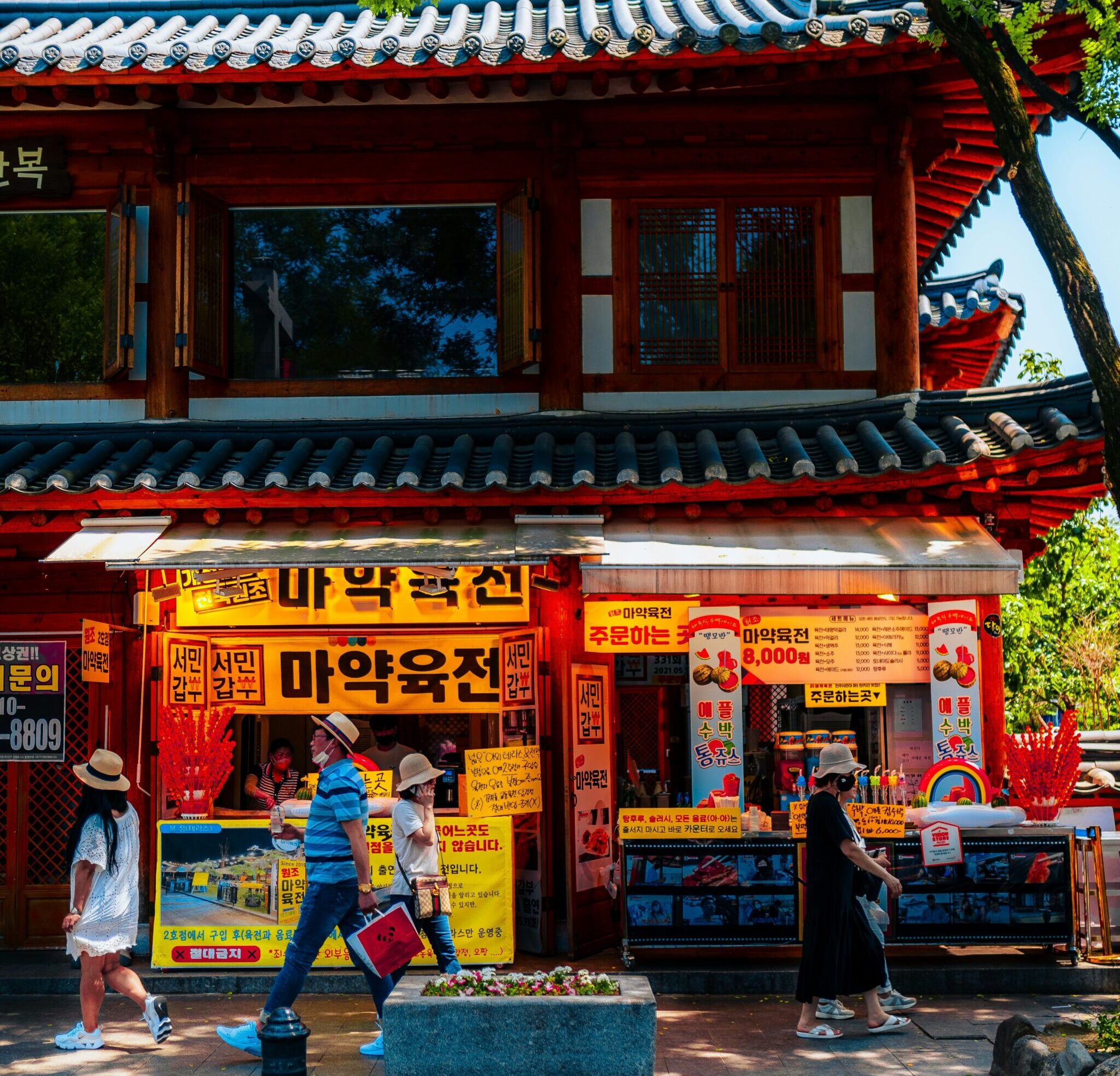
Jeonbuk is one of the best regions in South Korea for travelers who want traditional culture, local food, historic cities, mountain scenery, and quieter destinations beyond Seoul and Busan. Jeonju is the region’s best-known city, but there is much more to explore, from the port history of Gunsan and Baekje heritage in Iksan to the traditional culture of Namwon and the mountains and coast farther across the province.
Officially known as Jeonbuk State and written as Jeonbuk-do in Korean addresses, the region was formerly called Jeollabuk-do. For travelers, the bigger challenge is not the name but deciding where to go. The attractions are spread across several cities and counties, and the best transport option can change significantly depending on your itinerary.
This Jeonbuk travel guide will help you choose the right destinations, plan transportation from Seoul and other parts of Korea, decide whether you need a rental car, and work out how many days to spend in the region.
Jeonbuk at a Glance
Jeonbuk is spread across cities, mountains, rural areas, and the Yellow Sea coast, so the best destination depends on what you want from the trip. Jeonju is the easiest starting point for most first-time visitors, while the other areas are worth adding for history, nature, or a slower regional itinerary.
| Destination | Best For | Main Highlights | Good Choice If… |
| Jeonju | First-time visitors, food, traditional culture | Hanok Village, local food, historic sites | You want the easiest introduction to Jeonbuk |
| Gunsan | Modern history, coastal atmosphere | Historic district, port heritage, nearby islands | You enjoy history and quieter cities |
| Iksan | Ancient history and archaeology | Baekje heritage sites, museums | You are interested in Korea’s ancient kingdoms |
| Namwon | Traditional culture and scenic travel | Gwanghalluwon Garden, pansori culture, Jirisan area | You want culture without Jeonju’s crowds |
| Jeongeup | Autumn scenery and hiking | Naejangsan National Park | Fall foliage is a major reason for your trip |
| Muju | Mountains, skiing, outdoor activities | Deogyusan, Muju Gucheondong, winter sports | Nature or winter travel is your priority |
| Buan | Coast, national park scenery | Byeonsan Peninsula, beaches, coastal landscapes | You want a road-trip or seaside stop |
Best Places to Visit in Jeonbuk
Jeonju — Best for First-Time Visitors, Food & Traditional Culture
Jeonju is the best starting point for most first-time visitors to Jeonbuk. The city combines historic sights, traditional architecture, famous local food, and relatively easy public transportation, making it possible to enjoy without renting a car.
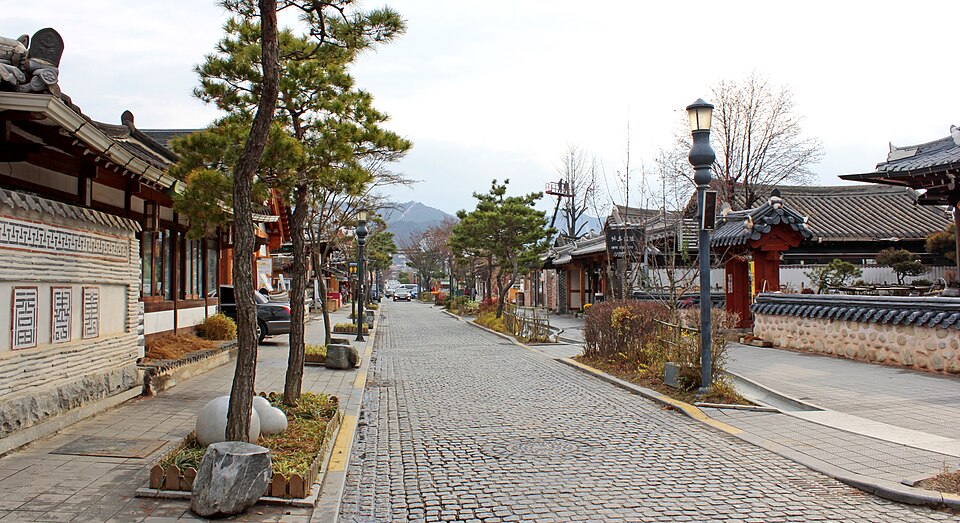
The main attraction is Jeonju Hanok Village, a large historic district with more than 700 hanok buildings. Gyeonggijeon Shrine, Jeondong Cathedral, Omokdae, traditional craft experiences, cafés, and food streets are all concentrated around the same walkable area.
Official Jeonju Hanok Village Information
Jeonju is also one of Korea’s best-known food destinations. Bibimbap is the obvious specialty, but kongnamulgukbap, hanjeongsik, and the city’s makgeolli culture make food a major reason to stay longer than a quick sightseeing stop. One night is a good choice if you want to see the Hanok Village after the busiest daytime hours rather than treating Jeonju only as a day trip.
Gunsan — Best for Modern History & a Quieter City Trip
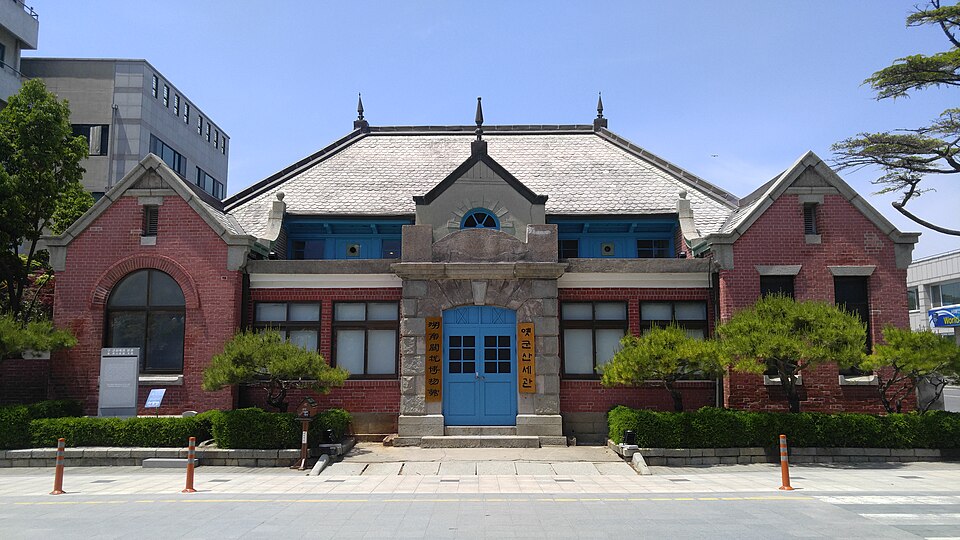
Gunsan is a good choice for travelers interested in modern Korean history, port cities, and a slower pace than Jeonju. Much of the historic center reflects Gunsan’s development as an important trading port, including sites connected to the Japanese colonial period.
Around Gunsan Modern History Street, several major sights are close enough to explore on foot. The Gunsan Modern History Museum, former Gunsan Customs building, Modern Art Museum, and Modern Architecture Hall are concentrated in the same part of the old city center.
Official Gunsan Modern History Street Information
Gunsan works particularly well as a half-day or full-day stop if modern history is your main interest. If you have more time, you can also add places such as Gyeongam-dong Railroad Village or continue toward the coast and the Gogunsan Islands.
Iksan — Best for Baekje History & Archaeology
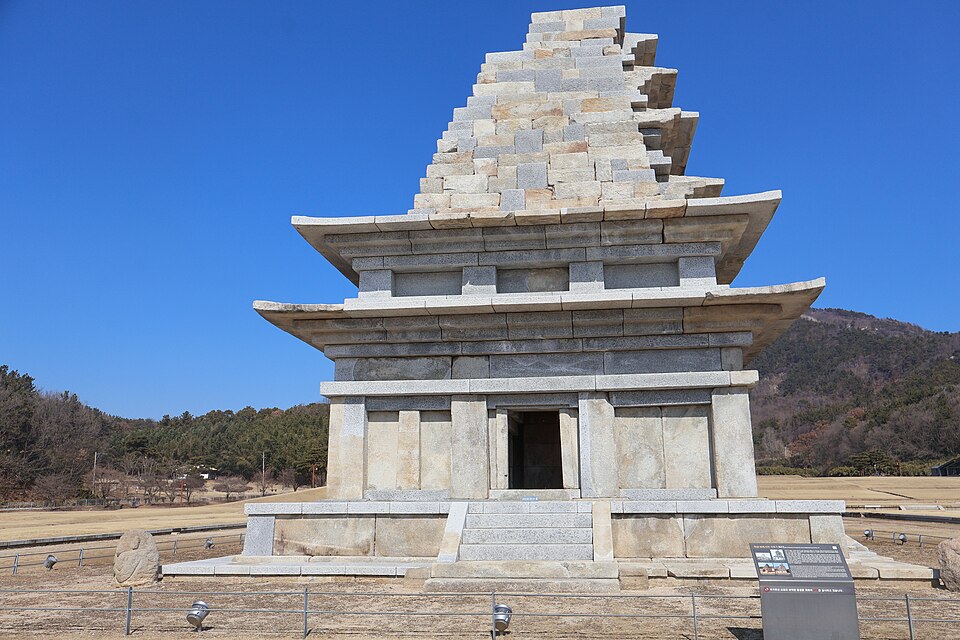
Iksan is one of the best stops in Jeonbuk for travelers interested in ancient Korean history. Two of its major archaeological sites — Mireuksa Temple Site and Wanggung-ri — are part of the UNESCO-listed Baekje Historic Areas.
Mireuksa was once the largest Buddhist temple of the Baekje Kingdom, and its surviving stone pagoda is the oldest and largest existing stone pagoda in Korea. Wanggung-ri preserves the remains of a Baekje-era royal complex, making the two sites a natural pair for a history-focused visit.
Official Mireuksa Temple Site Information
Iksan is less about busy shopping streets or nightlife and more about spacious archaeological sites, museums, and a slower look at Korea’s ancient past. It works especially well as an addition to a longer Jeonbuk itinerary rather than as the region’s main base.
Namwon — Best for Traditional Culture & Jirisan Access
Namwon combines traditional Korean culture with easy access to the western side of Jirisan, making it a good stop for travelers who want both heritage and mountain scenery.
The city’s best-known attraction is Gwanghalluwon Garden, a traditional garden closely associated with Chunhyangjeon, one of Korea’s best-known classical love stories. The garden includes Gwanghallu Pavilion, Ojakgyo Bridge, ponds, and several traditional buildings, and many of Namwon’s cultural attractions are concentrated nearby.
Official Gwanghalluwon Garden Information
Namwon can also work as a base for exploring the Jirisan area. Baemsagol Valley, Jeongnyeongchi, and other mountain destinations lie within Namwon’s administrative area, although reaching the more rural trailheads is much easier with a car than relying entirely on local buses.
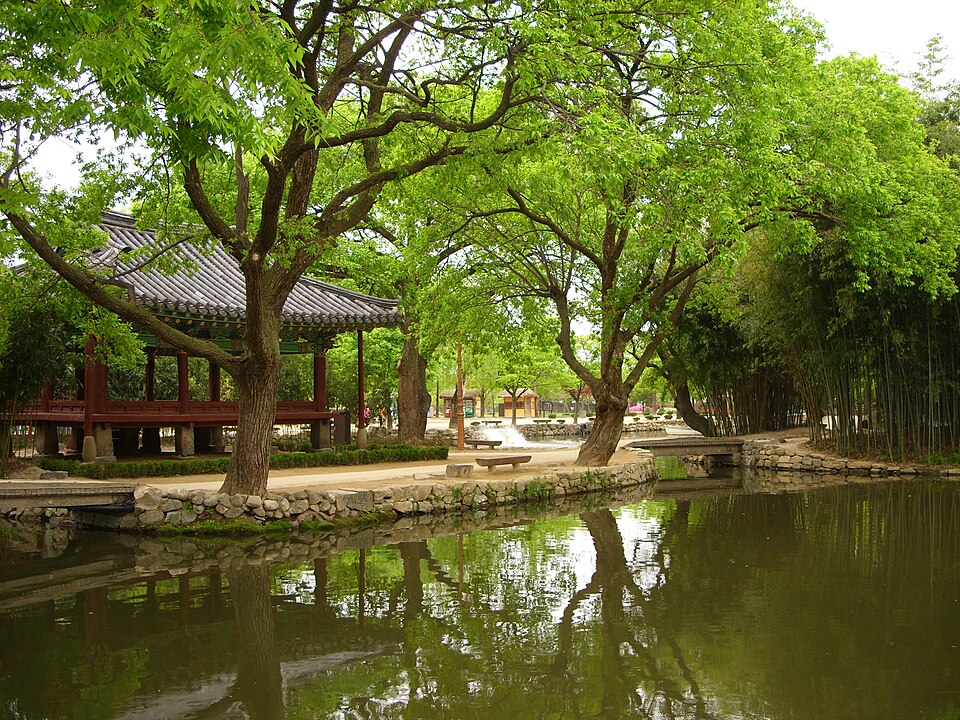
Jeongeup — Best for Naejangsan & Autumn Foliage
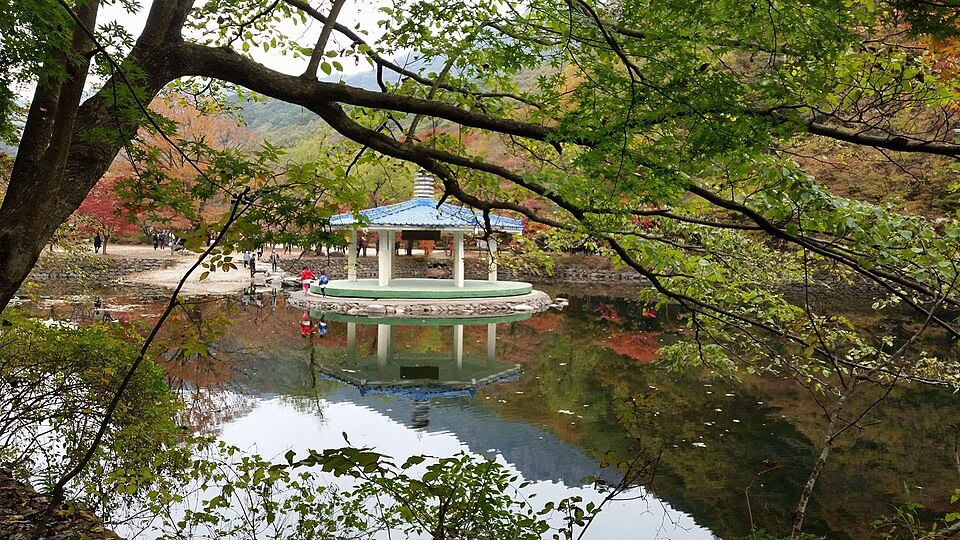
Jeongeup is best known as the gateway to Naejangsan National Park, one of Korea’s most famous destinations for autumn foliage. The park is especially popular when its maple-covered valleys and temple paths turn red and orange in late autumn.
You do not need to be an experienced hiker to enjoy Naejangsan. The park has multiple hiking routes, but visitors can also choose shorter walking trails or use the cable car to reach higher viewpoints. Naejangsa Temple and the surrounding maple-lined paths are among the most recognizable sights in the area.
Official Naejangsan National Park Information
Jeongeup is most worth adding to a Jeonbuk itinerary when nature and seasonal scenery are a priority. Outside peak foliage season, travelers with limited time may prefer to spend more of their trip in Jeonju, Gunsan, or other destinations with a wider range of year-round attractions.
For 2026 peak dates and a comparison with Seoraksan, Seoul, Jeju and other autumn destinations, see our Korea Fall Foliage 2026 guide.
Muju — Best for Mountains, Outdoor Activities & Winter Travel
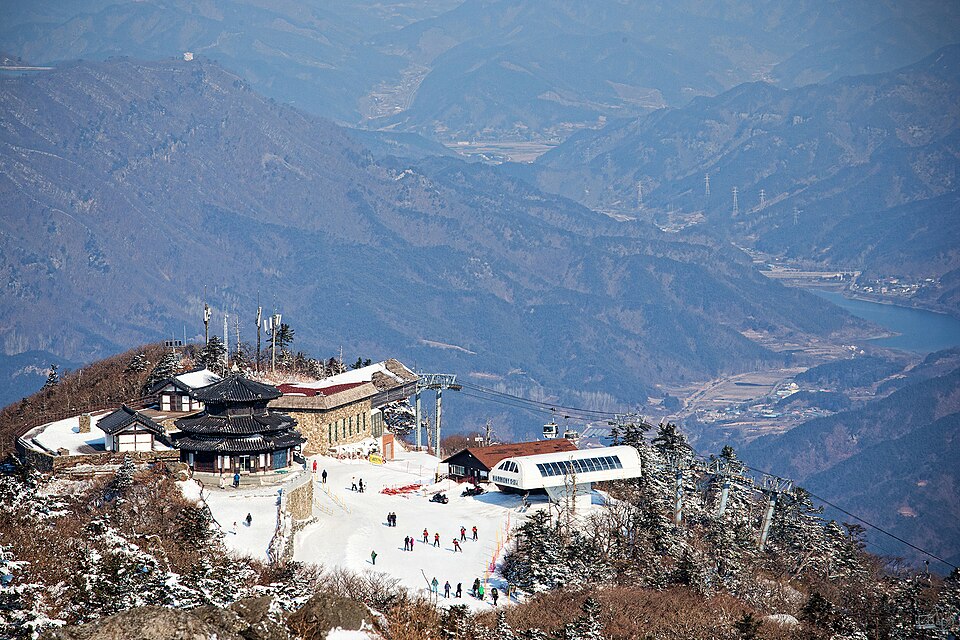
Muju is one of Jeonbuk’s best destinations for mountain scenery and outdoor activities. Its main attraction is Deogyusan National Park, where valleys, hiking trails, and high mountain ridges make the area worth visiting throughout the year.
Hyangjeokbong, the highest peak of Deogyusan at 1,614 meters, is particularly accessible because visitors can take a gondola from Muju Deogyusan Resort to Seolcheonbong and continue to the summit on foot. This makes Muju a good option even for travelers who want mountain views without committing to a long hike.
Official Hyangjeokbong & Deogyusan Information
Winter is when Muju stands out most. Muju Deogyusan Resort is one of Korea’s major ski destinations, while the upper slopes of Deogyusan are known for snow-covered landscapes and rime-covered trees. Ski, gondola, and winter operating conditions can change with weather, so check current information before making the trip.
Official Muju Deogyusan Resort
Buan — Best for Coastal Scenery & Byeonsan Peninsula
Buan is one of the best places in Jeonbuk for travelers who want both coastal scenery and mountain landscapes. Much of the area is centered around Byeonsanbando National Park, which combines the inland mountains of Naebyeonsan with the beaches and cliffs of the western coast.
One of the most distinctive sights is Chaeseokgang Cliff, where layers of sedimentary rock meet the sea near Gyeokpo Port. Other highlights include Naesosa Temple, Jiksopokpo Waterfall, Byeonsan Beach, and coastal viewpoints around the peninsula.
If you want to walk along the exposed rock formations, check the tide conditions before visiting, as shoreline access is best around low tide.
Official Chaeseokgang Cliff Information
Buan is particularly suitable for a road trip because its attractions are spread across the peninsula rather than concentrated in one walkable center. Travelers relying only on public transportation should allow more time and plan connections carefully.

How to Get to Jeonbuk
From Seoul
For most travelers, Seoul is the easiest starting point for a trip to Jeonbuk. KTX is usually the most convenient option if Jeonju is your first stop, while express and intercity buses can be more practical when traveling directly to other cities in the region.
KTX trains from Yongsan Station reach Jeonju Station in about 1 hour 40 minutes, and some services also depart from Seoul Station. Yongsan generally offers more frequent Jeonju-bound departures, so check both stations when comparing schedules. Iksan is another useful rail gateway, especially if your itinerary continues toward other parts of western Korea. Always check the current timetable and fare before traveling.
Long-distance buses are useful because they serve more Jeonbuk destinations directly. From Seoul, routes are available to cities and counties including Jeonju, Gunsan, Iksan, Namwon, Jeongeup, Buan, and Muju, although the departure terminal can differ depending on the route. Check the exact Seoul terminal before you travel.
Korea Express & Intercity Bus Guide
If you are still planning how to move around the capital before leaving, see our Seoul Transportation Guide.
From Incheon Airport
If Jeonju is your first destination in Jeonbuk, a direct airport bus is usually the simplest option from Incheon International Airport. It avoids traveling into Seoul with luggage and takes you directly to Jeonju without a train transfer.
Tickets can be purchased at the airport bus counters or multilingual ticket kiosks. The official Jeonju tourism guide states that the kiosks support English and accept overseas credit cards, which makes on-site ticketing practical for short-term international visitors. Leave enough time after your flight for immigration and baggage claim before choosing a departure.
Official Incheon Airport to Jeonju Bus Guide
Another option is to travel from Incheon Airport into Seoul and continue by KTX, usually from Yongsan or Seoul Station. This involves more transfers but can make sense if the airport bus schedule does not suit your arrival time or if your Jeonbuk itinerary starts closer to a rail station such as Iksan.
For a detailed guide to airport terminals, AREX, buses, taxis, and arrival logistics, see our Incheon Airport Guide.
Getting Around Jeonbuk
Getting around Jeonbuk is relatively straightforward if your trip focuses on major cities, but transportation becomes more important when you add mountains, coastal areas, or smaller towns. You do not need a rental car for every Jeonbuk itinerary, although having one can save significant time in rural areas.
Trains and intercity buses are the most useful options for moving between major destinations. Local buses and taxis work well once you arrive in cities such as Jeonju, while a rental car becomes more useful for places where attractions are spread across a wider area.
| Transport | Best For | Main Advantage | Keep in Mind |
| Train | Jeonju, Iksan, Jeongeup, Namwon | Fast travel between rail-connected cities | Does not reach every rural destination |
| Express / Intercity Bus | Traveling between Jeonbuk cities and counties | Wider regional coverage than rail | Terminals and schedules vary by route |
| Local Bus / Taxi | Getting around individual cities | Useful after arriving by train or bus | Rural services can be less frequent |
| Rental Car | Buan, Muju and multi-stop rural trips | Most flexibility for scattered attractions | Foreign drivers need the correct documents |
| Jeonbuk Tour Bus | Selected car-free day trips and regional routes | Connects transport hubs with organized itineraries | Current official booking site is mainly in Korean |
Official Korea Driving & Rental Car Guide
For local buses, carrying a transportation card is convenient. See our T-money Card Guide for where to buy, top up, and use one in Korea.
A newer option for car-free travelers is the Jeonbuk Tour Bus, which offers organized routes connecting destinations across the province. It can be useful if a tour matches your itinerary, but the current booking website is primarily in Korean, so international travelers should check the booking and payment requirements before relying on it.
How Many Days Do You Need in Jeonbuk?
Most travelers should plan at least two days if they want to see more than Jeonju. A one-day trip works for a focused visit, while three or four days gives you enough time to combine cities with mountains or the coast.
| Trip Length | Best For | Realistic Itinerary |
| 1 day | First-time visitors with limited time | Jeonju only, or a focused seasonal trip such as Naejangsan |
| 2 days | Most first-time Jeonbuk trips | Jeonju + Gunsan, Iksan, or Namwon |
| 3–4 days | Deeper regional travel | Combine Jeonju with two or three additional areas, including Buan, Muju, or other rural stops |
If this is your first visit to Jeonbuk, two nights is a practical starting point. Spend at least one night in Jeonju, then use the remaining time for a second destination that matches your interests.
Travelers planning Buan, Muju, or several rural attractions should allow extra time, especially without a rental car. Trying to combine too many distant areas in one or two days can turn the trip into more transportation than sightseeing.
Where to Stay in Jeonbuk
For most first-time visitors, Jeonju is the most practical place to stay in Jeonbuk. It has the widest choice of accommodation, plenty of restaurants and evening activities, and convenient transport connections for continuing around the region.
A traditional hanok stay in Jeonju Hanok Village can be part of the travel experience itself. If you prefer more familiar amenities, conventional hotels, guesthouses, and other modern accommodation are available around the city center and transport hubs. When booking a hanok, check whether the room uses floor bedding, whether the bathroom is private, and how far the property is from vehicle access if you are carrying large luggage.
Other destinations can make better overnight bases when your itinerary is focused on a specific part of Jeonbuk.
| Area | Best For | Accommodation to Consider | Stay Here If… |
| Jeonju | Most first-time visitors | Hanok stays, hotels, guesthouses, hostels | You want the best overall base and evening atmosphere |
| Gunsan | Modern history and coastal trips | Hotels, guesthouses | You want more time around the historic district or coast |
| Namwon | Jirisan and traditional culture | Hotels, guesthouses, traditional stays | You are combining the city with western Jirisan |
| Muju | Skiing and mountain trips | Resorts, pensions, mountain-area stays | Outdoor activities are the main purpose of your trip |
| Buan | Byeonsan Peninsula road trips | Hotels, resorts, pensions | You want to stay near the coast rather than return to Jeonju |
For a multi-city itinerary, changing accommodation every night is not always necessary. Jeonju works well as a base for nearby destinations, but staying locally becomes more worthwhile for places such as Muju or Buan where returning to Jeonju can add significant travel time.
Official Jeonju Hanok Stay Guide
Before booking, check the property’s exact location, luggage access, parking if you are driving, check-in hours, and recent guest reviews. These details matter especially for small hanok stays, guesthouses, pensions, and rural properties.
Best Time to Visit Jeonbuk
Jeonbuk can be visited year-round, but spring and autumn are the easiest seasons for most sightseeing itineraries. The best time for you depends on whether you are traveling for city sightseeing, fall foliage, hiking, or winter activities.
| Season | Best For | Good Destinations | Keep in Mind |
| Spring | Mild weather, flowers, city sightseeing | Jeonju and central Jeonbuk | Blooming dates change each year |
| Summer | Coast, forests, green mountain scenery | Buan, Jirisan area | Hot, humid weather and heavy rain are possible |
| Autumn | Fall foliage, hiking, outdoor sightseeing | Jeongeup, Naejangsan | Peak foliage periods can be very busy |
| Winter | Snow scenery and skiing | Muju, Deogyusan | Mountain weather and ski operations can change quickly |
Autumn is the standout season if Naejangsan is a major reason for your trip. Its maple-lined trails are among Korea’s best-known fall foliage sights, but weekends during peak color can be crowded.
For winter travel, Muju and Deogyusan are the strongest choices. Ski seasons and operating hours depend on snowfall and weather, so check the resort’s current information shortly before traveling rather than relying on dates from a previous season.
Practical Tips for Traveling in Jeonbuk
Jeonbuk is generally easy to travel, but a little preparation makes a bigger difference once you leave the main city centers.
- Use NAVER Map for navigation. It provides public transportation directions, walking routes, driving navigation, and place information across Korea, with English map and navigation support.
- Keep mobile data available. Real-time navigation, bus information, translation, and checking opening hours are much easier with an active SIM or eSIM. See our Korea SIM & eSIM Guide if you have not arranged mobile data yet.
- Carry more than one payment option. Cards are useful for most travel expenses, but carrying some Korean won is still sensible for smaller businesses, markets, or situations where your foreign card does not work.
- Use the 1330 Korea Travel Helpline if you need assistance. The official service provides travel information and interpretation support by phone and online chat, which can be especially useful in smaller cities or rural areas.
NAVER Map Download: Android | iPhone
Official 1330 Korea Travel Helpline
Jeonbuk Travel FAQ
Is Jeonbuk the same as Jeollabuk-do?
Yes. Jeollabuk-do was the former English name of the province. Since 2024, the region has officially used Jeonbuk State, while Jeonbuk-do is used in Korean addresses. Older travel websites, maps, or bookings may still show Jeollabuk-do.
Can I visit Jeonbuk without a car?
Yes. Jeonju, Iksan, Jeongeup, Namwon, and other major destinations can be reached by train or intercity bus. A rental car becomes more useful for rural areas, mountain destinations, and coastal trips such as Muju or Buan.
Can I visit Jeonju as a day trip from Seoul?
Yes. KTX makes a Seoul–Jeonju day trip possible, with the train journey taking about 1 hour 40 minutes. However, staying overnight gives you more time to explore the Hanok Village after the busiest daytime hours and enjoy Jeonju’s food and evening atmosphere.
How many days should I spend in Jeonbuk?
One day is enough for a focused visit to Jeonju, but two to four days is more practical for a regional trip. Two days lets you combine Jeonju with another destination, while three or four days gives you time for places such as Gunsan, Namwon, Buan, Muju, or Naejangsan.
Final Thoughts
Jeonbuk is a strong choice for travelers who want to see a quieter and more traditional side of South Korea beyond the country’s biggest cities. Jeonju is the easiest place to start, but adding destinations such as Gunsan, Namwon, Naejangsan, Muju, or Buan can turn a short city trip into a much more varied regional itinerary.
If this is your first visit, plan around Jeonju first and add one or two destinations that match your interests. Travelers with more time — especially those with a rental car — can explore the mountains, coast, historic cities, and rural areas at a much more relaxed pace.
If you are continuing farther south, our Jeonnam-Gwangju Travel Guide covers Yeosu, Suncheon, Mokpo, Gwangju, and other destinations across the neighboring region.
If your route continues north through western Korea, see our Chungcheongnam-do Travel Guide for Gongju, Buyeo, Boryeong, and Taean.