
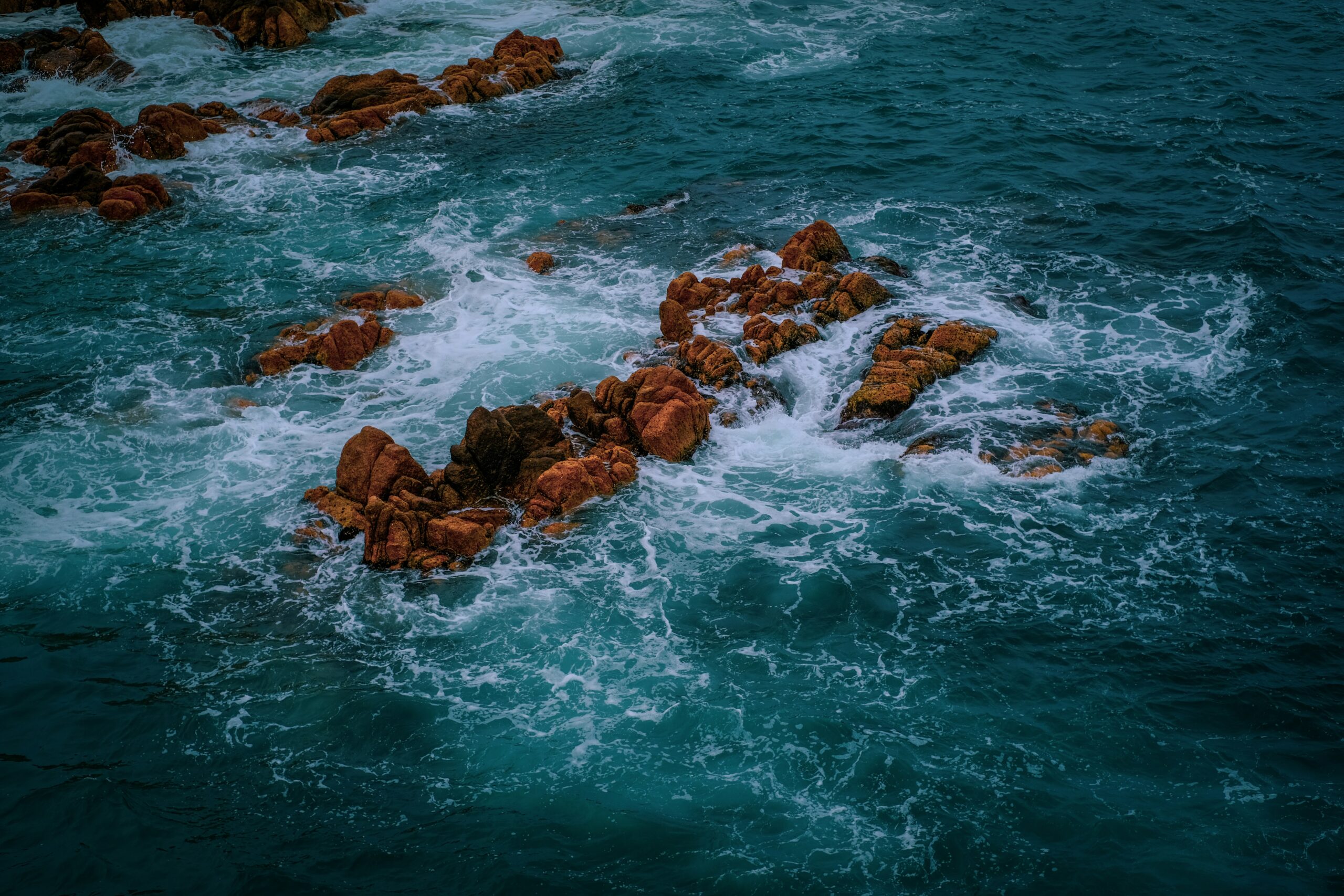
Ulsan is one of Korea’s major industrial cities, but there is much more to see here than factories and shipyards. The city combines coastal scenery, riverside parks, whale culture, traditional villages, and easy access to both mountains and the sea.
For a first visit, you can build your trip around Taehwagang National Garden, Daewangam Park, Jangsaengpo Whale Culture Zone, and Ganjeolgot. These places show very different sides of Ulsan, from bamboo-lined river walks and rocky coastline to the city’s unique connection with whale culture.
This Ulsan Travel Guide explains what to see, how to get there, where to stay, what to eat, how to get around, and how many days you actually need. It is designed for foreign travelers who want to decide whether Ulsan works as a day trip, an overnight stop, or part of a longer southeastern Korea itinerary.
Quick Answer: Is Ulsan Worth Visiting?
Yes—especially if you want to see a less touristy side of South Korea beyond Seoul, Busan, and Gyeongju.
Ulsan is a good choice for travelers who enjoy coastal scenery, large parks, local history, and quieter attractions. Taehwagang National Garden is easy to combine with the city center, while Daewangam Park offers one of Ulsan’s best coastal walks. Jangsaengpo adds a completely different experience through the city’s whale-related history and culture.
The main drawback is distance. Ulsan’s major sights are spread across a large area, so trying to visit everything in one day can involve a lot of travel time.
For most first-time visitors:
- 1 day: Choose two or three major attractions.
- 1 night / 2 days: Better if you want to combine central Ulsan with Daewangam Park, Jangsaengpo, or Ganjeolgot.
- Longer stay: Makes more sense if you also want to explore Ulju-gun, hiking areas, or the wider southeast coast.
Ulsan also fits naturally into a southeastern Korea trip with Busan or Gyeongju, rather than requiring a separate long itinerary.
Best Things to Do in Ulsan
Ulsan’s attractions are spread across the city, so it is better to choose a few areas that fit your route rather than trying to see everything in one day. These are the places most worth considering on a first trip.
1. Taehwagang National Garden and Simni Bamboo Grove
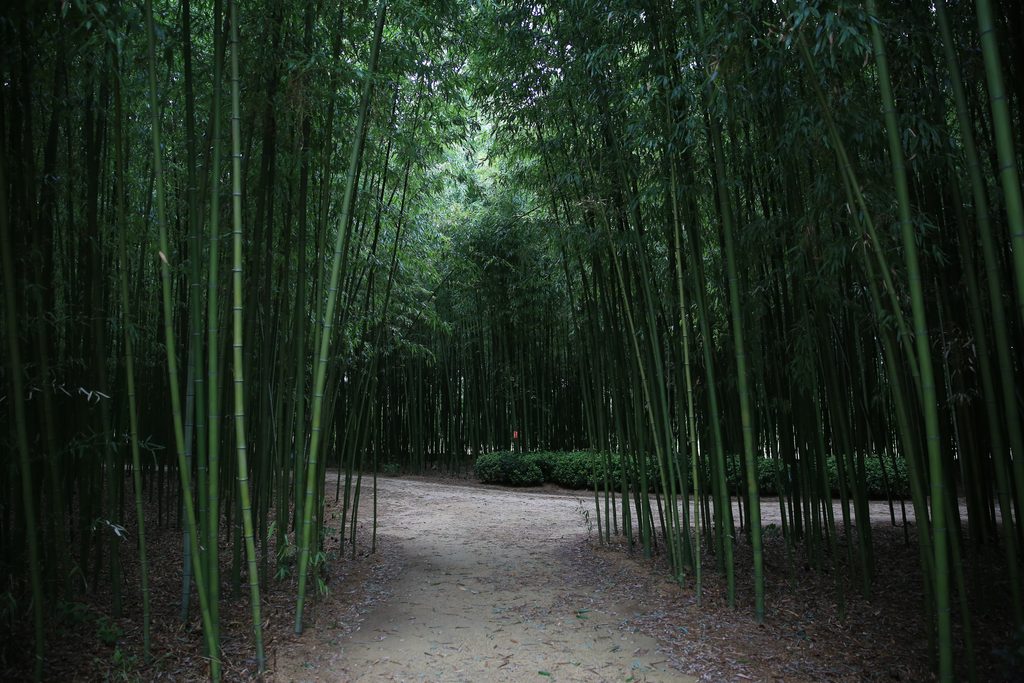
Taehwagang National Garden is one of the best places to start exploring Ulsan. The huge riverside garden combines seasonal flower fields, walking paths, wetlands, and the Simni Bamboo Grove, which stretches for about 4 km along the Taehwagang River.
The bamboo grove is the highlight for many visitors, but the wider garden is worth exploring too. Unlike many ticketed attractions, the national garden itself is free and open at all times, although individual facilities may have separate hours.
Official Taehwagang National Garden Information
2. Daewangam Park
Daewangam Park is one of Ulsan’s best places for coastal scenery. A pine-lined trail leads from the park entrance toward Ulgi Lighthouse and the rocky shoreline, where walking paths open to wide views over the East Sea.
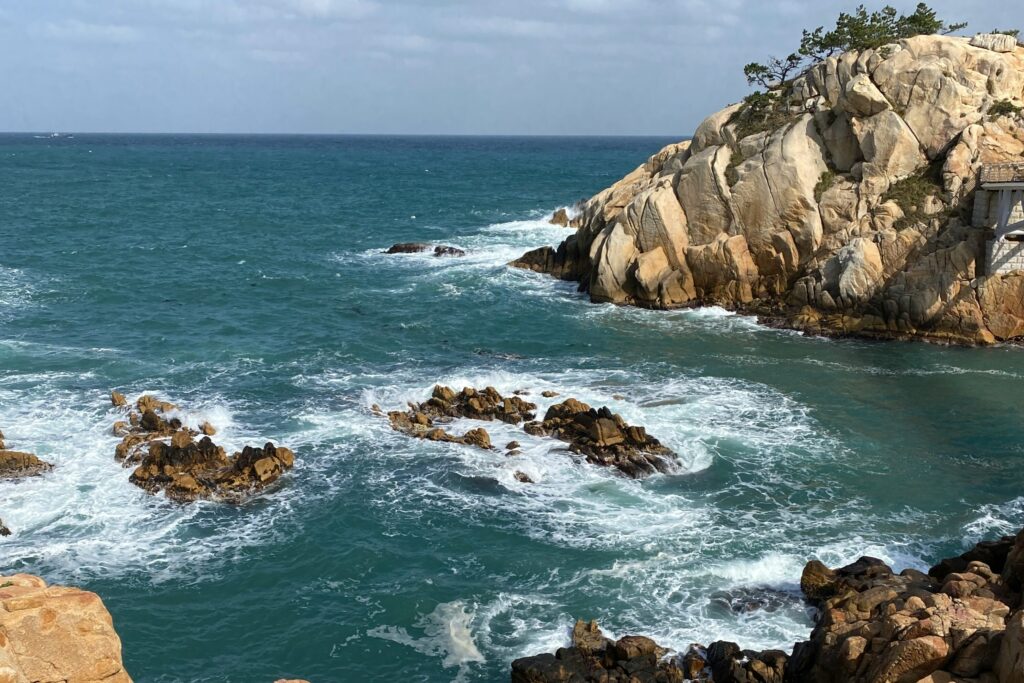
The contrast between the pine forest, orange-toned coastal rocks, and blue water makes this a very different experience from central Ulsan. The park itself is free and open at all times, although the suspension bridge has separate operating hours.
Allow around 1–2 hours if you want to walk through the pine forest, reach the main coastal viewpoints, and take your time along the rocks. If you are already visiting eastern Ulsan, Daewangam Park can also be combined with nearby Ilsan Beach.
Official Daewangam Park Information
3. Jangsaengpo Whale Culture Zone
Jangsaengpo is the place to visit if you want to understand Ulsan’s unusual connection with whales and its former whaling industry. Rather than a single attraction, the Jangsaengpo Whale Culture Zone contains several separate places to visit, including the Whale Museum, Whale Experience Hall, and Whale Culture Village.
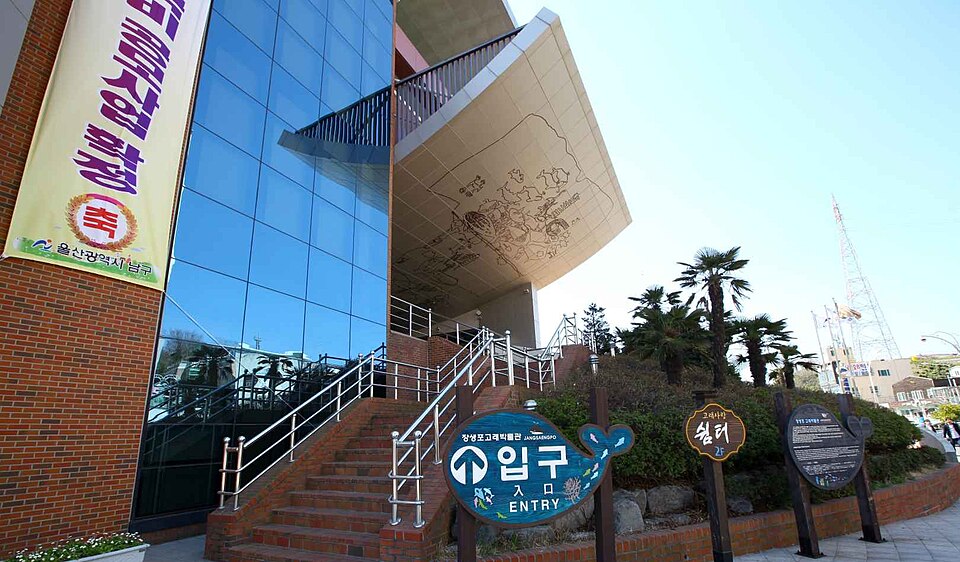
For most travelers, the Whale Museum and Whale Culture Village are the most useful places to start. The museum explains the history of whaling in Jangsaengpo and displays whale-related artifacts, while the culture village recreates parts of the neighborhood as it looked during the 1960s and 1970s.
You do not need to visit every attraction in the zone. Allow roughly 2–3 hours for a relaxed visit, and more if you plan to add several paid facilities or the monorail.
Most of the main attractions are closed on Mondays, so check the latest schedule before building Jangsaengpo into your itinerary.
| Attraction | Adult admission |
| Jangsaengpo Whale Museum | ₩2,000 |
| Whale Experience Hall | ₩5,000 |
| Whale Culture Village | ₩3,000 |
| ROKS Ulsan | ₩1,000 |
Admission is charged separately for each attraction, so you can simply choose the places that interest you instead of buying your way through the entire zone.
Official Jangsaengpo Whale Culture Zone Information
4. Ganjeolgot Cape
Ganjeolgot is one of Ulsan’s best-known coastal landmarks and a popular place to watch the sunrise. Ulsan officially promotes the cape as the earliest place to see the sunrise on the Korean Peninsula, which makes it especially popular around New Year’s Day.
The attraction is not just the sunrise. Ganjeolgot has a wide grassy park facing the East Sea, a lighthouse, coastal walking areas, and the enormous Hope Mailbox, which has become one of the cape’s most recognizable landmarks.
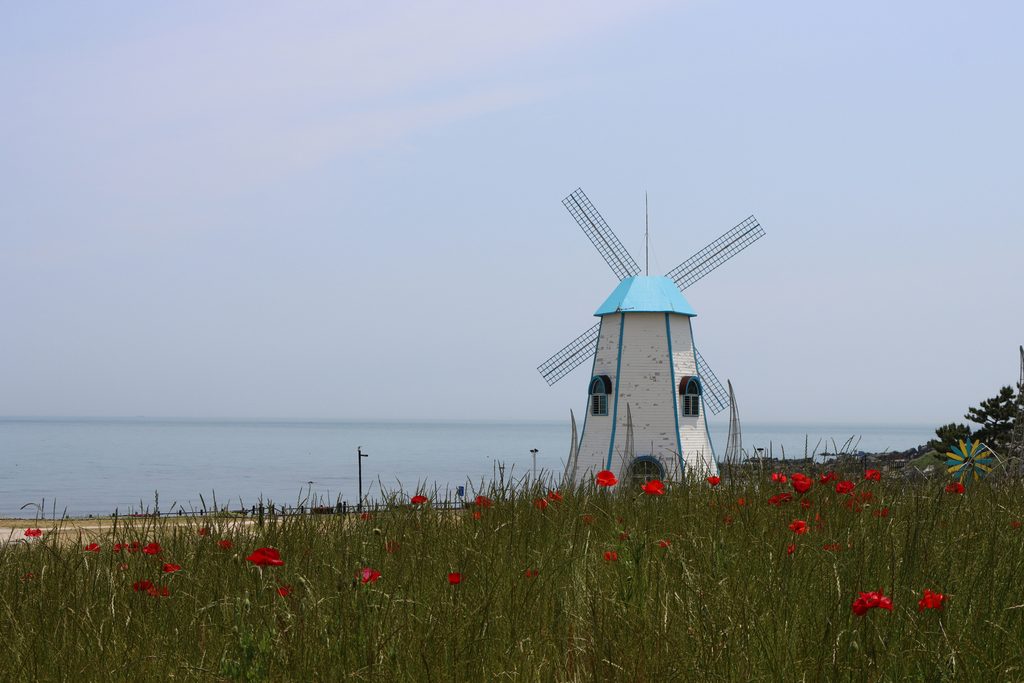
Ganjeolgot is free to visit and open 24 hours, so you do not need to plan around an admission time. A daytime visit is still worthwhile if you are not interested in waking up for sunrise.
Because Ganjeolgot is in Ulju-gun, well outside central Ulsan, it works best when you plan the transportation in advance. It can also be combined with other attractions on Ulsan’s southern coast rather than making a separate trip from the city center.
Official Ganjeolgot Information
5. Petroglyphs along the Bangucheon Stream
For travelers interested in history, the Petroglyphs along the Bangucheon Stream are one of Ulsan’s most distinctive attractions. The site was inscribed on the UNESCO World Heritage List in 2025 and includes the Daegok-ri and Cheonjeon-ri petroglyphs.
The rock carvings were created over thousands of years and depict whales, land animals, people, hunting scenes, boats, tools, and geometric patterns. The Daegok-ri panel is especially famous for its detailed images of whales and prehistoric whaling.
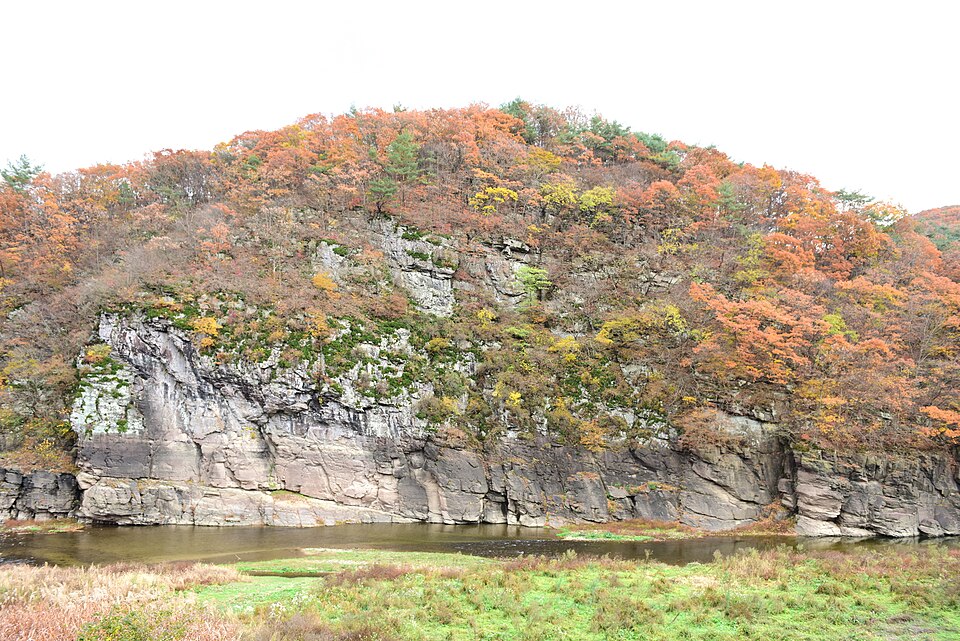
This area is quite different from Ulsan’s coastal attractions. Visiting involves walking through the Bangucheon valley rather than simply arriving at a city-center museum or viewpoint. The official trail includes a 2.4 km round-trip route connecting the Ulsan Petroglyph Museum area with the Daegok-ri petroglyphs.
The outdoor petroglyph site is free and open 24 hours, but the nearby Ulsan Petroglyph Museum operates separately. The museum is useful if you want to understand the carvings before walking to the archaeological site.
Official Bangucheon Petroglyphs Information
How to Get to Ulsan
Getting to Ulsan is easy by train, but there is one important detail to understand: Ulsan Station and Taehwagang Station are not the same place.
Ulsan Station is the main high-speed rail station used by many travelers arriving from Seoul. However, it is located well west of central Ulsan. Ulsan City Hall is about 22 km from the station, so you still need a bus, taxi, or other local transport after getting off the train.
Taehwagang Station, on the other hand, is much closer to central and eastern Ulsan. It is particularly useful when traveling between Ulsan, Busan, and Gyeongju on the Donghae rail corridor.
| From | Usually useful arrival station | What to know |
| Seoul | Ulsan Station | Direct high-speed trains are the simplest option, but the station is outside central Ulsan. |
| Busan | Taehwagang Station | Direct rail services from the Busan area can bring you closer to central Ulsan. |
| Gyeongju | Taehwagang Station | Direct trains on the east-coast rail corridor make Ulsan easy to combine with Gyeongju. |
If you are coming from Seoul, Ulsan Station is usually the simplest choice. After arriving, use a local bus or taxi to reach your accommodation or the city center.
If you are coming from Busan or Gyeongju, check trains to Taehwagang Station as well. Arriving there can save time if your accommodation or first attraction is in central or eastern Ulsan.
Always search using the exact station name before booking. Choosing “Ulsan” without checking the station location can leave you much farther from your first destination than expected.
How to Get Around Ulsan
Ulsan has an extensive bus network, but its major attractions are spread across a large area. Buses work well for many trips, while taxis or a rental car can save considerable time when visiting more distant attractions.
For most visitors, these are the main options:
| Transport | Best for | What to know |
| Bus | Central Ulsan and major attractions | Standard adult fare is ₩1,500 with a transportation card. |
| Taxi | Saving time between scattered sights | Basic fare is ₩4,500 for the first 2 km. |
| Rental car | Ganjeolgot, Bangucheon and wider Ulju-gun | Most useful when combining several outlying attractions in one day. |
If you already have a T-money card, you can use it on Ulsan city buses instead of buying a separate local transport card. Remember to tap your card when getting off the bus as well as when boarding, especially if you may transfer to another bus.
For route planning, NAVER Map is one of the most useful apps for foreign travelers in Korea. It provides bus routes, public transportation directions, real-time arrival information, and English-language maps and navigation.
A rental car is not necessary for a basic Ulsan trip. However, it becomes much more useful if you want to visit places such as Ganjeolgot and the Bangucheon petroglyphs on the same day, since these attractions are far from central Ulsan.
NAVER Map Download: Android | iPhone
Where to Stay in Ulsan
For most first-time visitors, Samsan-dong in Nam-gu is the easiest area to stay in Ulsan. It has a large concentration of hotels, restaurants, shops, and nightlife, and Taehwagang Station is nearby for trains toward Busan and Gyeongju.
The best area depends on what you want to see:
| Area | Best for | Main advantage |
| Samsan-dong / Taehwagang Station | First-time visitors, public transport | Hotels, restaurants and convenient rail connections |
| Ilsan Beach / Dong-gu | Daewangam Park and the east coast | Stay close to the sea and Ulsan’s coastal attractions |
| Ulju-gun / Ganjeolgot area | Road trips and southern Ulsan | Useful if Ganjeolgot and nearby coastal sights are your priority |
Samsan-dong: best overall base
Samsan-dong is the most practical choice if you want convenience rather than a resort atmosphere. You will find everything from full-service hotels to simpler business-style accommodation, with plenty of places to eat within walking distance.
It is especially practical if you plan to arrive or leave through Taehwagang Station.
Ilsan Beach and Dong-gu: best for the coast
Stay around Ilsan Beach if Daewangam Park and Ulsan’s eastern coastline are the main reasons for your trip. You can enjoy the waterfront in the evening and reach Daewangam Park more easily than from central Ulsan.
The trade-off is that trips to Taehwagang National Garden, Ulsan Station, Ganjeolgot, and Bangucheon can take longer.
Ulju-gun: best with a car
Accommodation around southern Ulju-gun can make sense if you are driving and want to spend most of your time around Ganjeolgot, Jinha Beach, or other outlying attractions.
For a first visit without a car, however, Samsan-dong is usually much easier.
Official Ulsan Accommodation Information
What to Eat in Ulsan
Ulsan is best known for Eonyang bulgogi, but its long coastline also makes seafood an important part of the local food scene.
If you only try one regional specialty, make it Eonyang bulgogi.
Eonyang Bulgogi
Eonyang bulgogi is one of Ulsan’s signature dishes. Unlike the saucier style of bulgogi you may find elsewhere in Korea, the meat is typically chopped or sliced, seasoned relatively lightly, and grilled over a hot gridiron or charcoal.
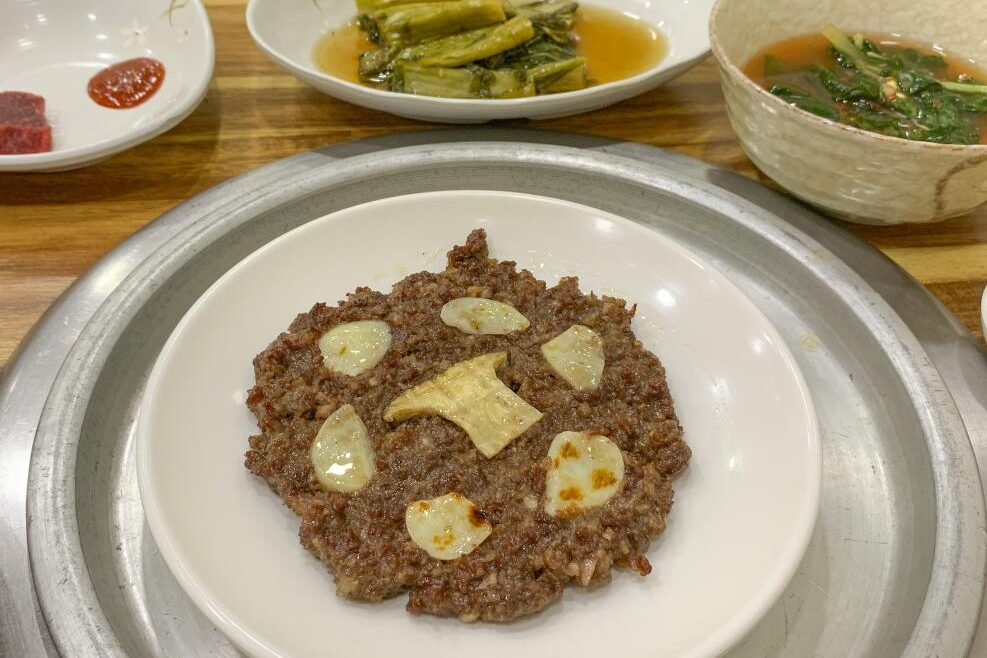
The traditional place to try it is Eonyang-eup in Ulju-gun, where Ulsan has an officially designated Eonyang Bulgogi Special Zone with multiple specialist restaurants.
If you are arriving through Ulsan Station or driving toward the Bangucheon petroglyphs, Eonyang is relatively easy to add to your route.
Seafood on the Ulsan Coast
For seafood, look toward coastal areas such as Jujeon, Jeongja, Bangeojin, and the southern coast of Ulju-gun. Sliced raw fish is widely available, while snow crab is particularly associated with the colder months.
Another local option is mulhoe, a cold and spicy raw-fish dish that works especially well in summer.
You do not need to travel across Ulsan purely for seafood, so it makes more sense to combine a meal with a coastal stop already on your itinerary.
What About Whale Meat?
You may also see whale meat advertised around Jangsaengpo, reflecting the area’s historical connection with whaling.
Ulsan’s official tourism site still lists whale meat as a local specialty in Jangsaengpo. The International Whaling Commission’s moratorium on commercial whaling remains in place. Travelers who prefer not to eat whale products can simply skip it and still experience Jangsaengpo through its museums and cultural attractions.
Official Ulsan Local Food Guide
How Many Days Do You Need in Ulsan?
For most first-time visitors, 1 night and 2 days is the best amount of time for Ulsan.
A day trip is possible, especially from Busan or Gyeongju, but you should limit yourself to two or three attractions. Trying to combine central Ulsan, the east coast, Ganjeolgot, and Bangucheon in a single day usually means spending too much time in transit.
If You Have One Day
A practical first-day route is:
Taehwagang National Garden → Jangsaengpo Whale Culture Zone → Daewangam Park
This gives you a mix of riverside scenery, local history, and Ulsan’s east coast without sending you too far into Ulju-gun.
If you are visiting only as a day trip, skip Ganjeolgot and Bangucheon unless one of them is your main reason for coming.
If You Have 1 Night and 2 Days
Use the first day for central and eastern Ulsan:
Day 1: Taehwagang National Garden → Jangsaengpo → Daewangam Park
Then use the second day for the more distant attractions:
Day 2: Ganjeolgot → Bangucheon Petroglyphs → Eonyang Bulgogi
This works especially well with a rental car. Without a car, you may want to choose either Ganjeolgot or Bangucheon rather than trying to visit both on the same day.
If You Have 3 Days
A third day makes sense if you want a slower trip, hiking in the Yeongnam Alps, additional coastal stops, or more time in Ulju-gun.
For most international travelers, however, two days is enough to see Ulsan’s main highlights without rushing.
Best Time to Visit Ulsan
Spring and autumn are the easiest seasons for most travelers visiting Ulsan. The weather is generally more comfortable for long walks at Taehwagang National Garden, Daewangam Park, and the coastal attractions.
Spring: March to May
Spring is especially good if you want to see flowers around Taehwagang National Garden. The city holds its Taehwagang Spring Flower Festival in May, when the garden becomes one of Ulsan’s most colorful places to visit.
Summer: June to August
Summer works well for coastal areas and beaches, but expect hot and humid weather. Heavy rain and typhoons are also possible during the warmer months, so check the forecast before planning long outdoor days.
Autumn: September to November
Autumn is another excellent time for Ulsan. Cooler weather makes outdoor sightseeing more comfortable, and October brings seasonal events such as the Taehwagang Autumn Chrysanthemum Festival and the Eonyang/Bonggye Bulgogi Festival.
Winter: December to February
Winter is colder and less comfortable for long outdoor walks, but it has one major attraction: sunrise at Ganjeolgot.
The annual Ganjeolgot Sunrise Festival is held around December 31 and January 1, making New Year one of the most popular times to visit the cape.
For a typical sightseeing trip, April–May and September–October are the best all-around periods.
Practical Tips for Visiting Ulsan
A few small preparations can make traveling around Ulsan much easier.
- Keep a little cash with you. Credit and debit cards are widely useful in Korea, but some traditional markets, small shops, and street vendors may still prefer or require cash.
- Save important place names in Korean. This can be useful when showing a destination to a taxi driver or confirming that you are heading to the correct attraction.
- Use tourist information centers if you need local help. Ulsan has information centers at locations including Taehwagang Station, KTX Ulsan Station, Ulsan Airport, and Daewangam Park.
- Do not overpack your itinerary. Ulsan covers a large area, and attractions that look close on a map can require significant travel time by public transportation.
- Check opening days before visiting museums and paid attractions. Some attractions, including facilities in Jangsaengpo, close on Mondays.
If you need travel information or interpretation assistance while in Korea, the 1330 Korea Travel Helpline provides multilingual support by phone and online chat.
Official 1330 Korea Travel Helpline
For more general advice on transportation, payments, apps, and preparing for your trip, see our guide for first-time visitors to Korea.
Ulsan Travel FAQ
Is Ulsan worth visiting for one day?
Yes. Ulsan works well as a day trip if you choose two or three attractions rather than trying to cover the entire city. A route combining Taehwagang National Garden, Jangsaengpo, and Daewangam Park is more realistic than adding distant Ulju-gun attractions on the same day.
Can you visit Ulsan as a day trip from Busan?
Yes. Busan and Ulsan are connected by direct rail services, and Taehwagang Station is particularly convenient for reaching central Ulsan. Check the latest train schedule before traveling because service patterns can change.
Do you need a car in Ulsan?
No. Buses and taxis are enough for attractions around central and eastern Ulsan. A rental car becomes more useful if you want to combine distant places such as Ganjeolgot, Bangucheon, and other parts of Ulju-gun in a limited amount of time.
What is the difference between Ulsan Station and Taehwagang Station?
Ulsan Station is the main high-speed rail station used by many travelers arriving from Seoul, but it is located west of central Ulsan. Taehwagang Station is closer to the city center and eastern Ulsan, making it convenient for some journeys from Busan and Gyeongju.
Final Thoughts
Ulsan is a good addition to a southeastern Korea itinerary if you want a mix of coastal scenery, riverside parks, local food, and places that feel less touristy than Seoul or Busan.
A one-day visit works if you stay focused, but 1 night and 2 days gives you enough time to combine central Ulsan with the coast or Ulju-gun without rushing.
For a first trip, prioritize Taehwagang National Garden, Daewangam Park, Jangsaengpo, and one outlying attraction such as Ganjeolgot or the Bangucheon petroglyphs. That is enough to see what makes Ulsan different without turning the trip into a checklist.