
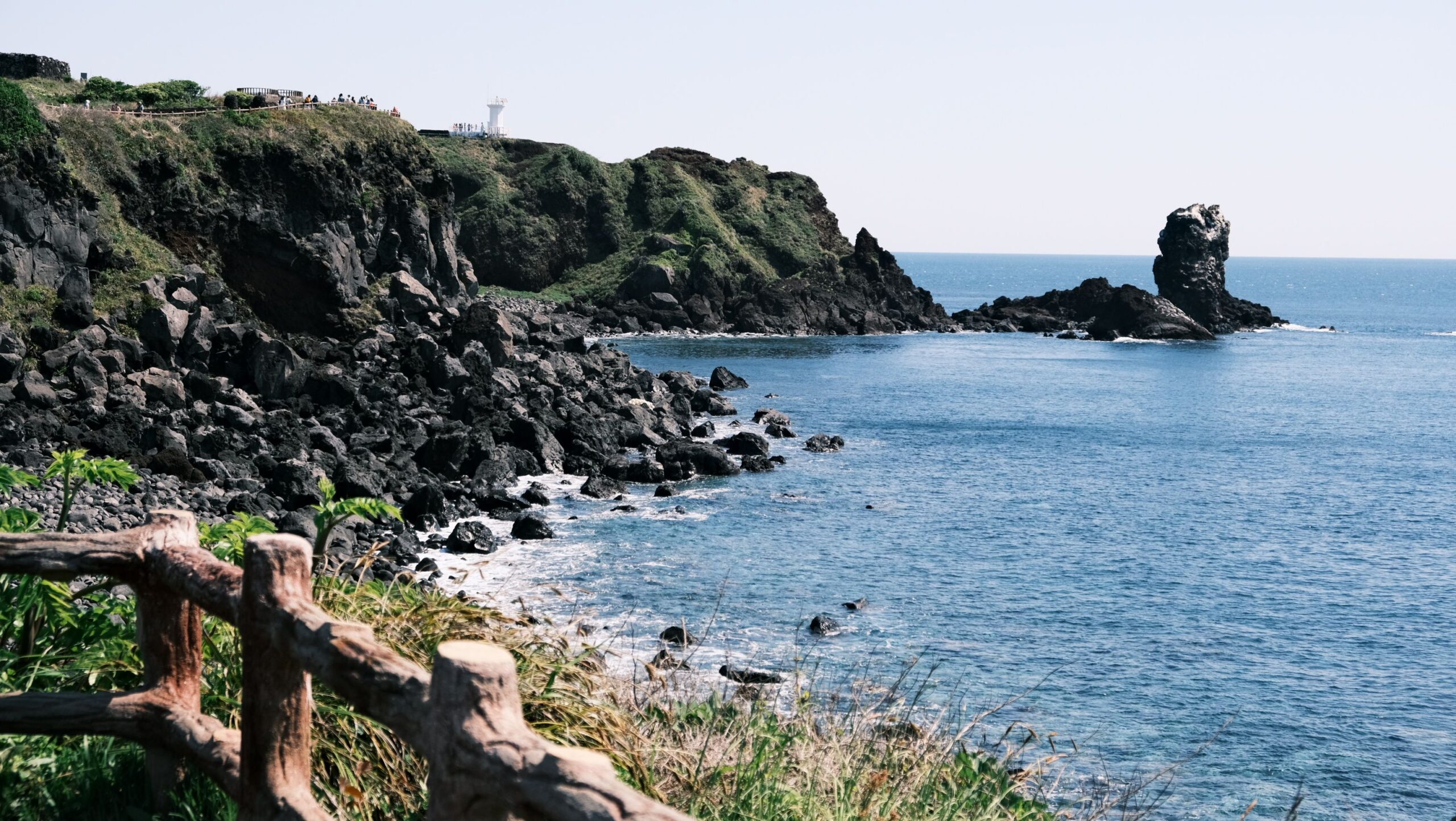
Planning a trip to Jeju Island can be surprisingly tricky for first-time visitors. The island is spread out, public transportation takes more planning than in Seoul or Busan, and choosing the wrong place to stay can mean spending much of your day getting from one area to another.
This Jeju Island travel guide is designed to help you make the big decisions first: how many days to stay, when to visit, where to base yourself, how to get around, and how to group places by area.
Rather than listing dozens of attractions, the goal is to help you build a realistic Jeju itinerary that matches your time, transportation choice, and travel style.
Jeju Island at a Glance
Jeju is very different from Seoul or Busan. Instead of exploring one dense city, you will travel between Jeju City in the north, Seogwipo in the south, and attractions spread across the island.
The practical difference is simple: travel time matters in Jeju. Choosing your accommodation and transportation before filling your itinerary with attractions will make the trip much easier to manage.
How Many Days Do You Need in Jeju?
For most first-time visitors, 3 to 4 full days in Jeju is a good starting point. That gives you enough time to explore more than one part of the island without spending the entire trip moving between attractions.
Two days can work for a short stop, but you will need to focus on one or two areas. With four or five days, you can travel at a slower pace and adjust more easily for weather.
| Time in Jeju | Best For | What to Expect |
| 2 days | Short visit | Focus on one or two areas and keep travel time low |
| 3 days | First-time highlights | Enough time for a few major areas with a planned route |
| 4 days | Most first-time visitors | A better balance of sightseeing, travel time, and flexibility |
| 5+ days | Slow travel | More time for hiking, beaches, cafés, weather changes, or less-visited areas |
When counting your trip length, look at your actual sightseeing time, not just the number of hotel nights. A late arrival and an early departure can turn a three-night stay into only two useful days on the island.
Best Time to Visit Jeju
The best time to visit Jeju depends on what you want to do, but spring and autumn are the easiest seasons for most first-time visitors. Temperatures are generally more comfortable for sightseeing, hiking, and spending long days outdoors.
Summer is best for beaches and water activities, but it is also hot and humid, with heavier rain and possible storms or typhoons. Winter is quieter and milder than much of mainland Korea, although Jeju’s strong winds can make it feel considerably colder.
| Season | Best For | What to Know |
| Spring (Mar–May) | Flowers, hiking, sightseeing | Pleasant weather, but temperatures can vary during the day |
| Summer (Jun–Aug) | Beaches, swimming, green scenery | Hot and humid with more rain and possible storms or typhoons |
| Autumn (Sep–Nov) | Hiking, outdoor sightseeing, scenery | Comfortable weather and lower humidity after early autumn |
| Winter (Dec–Feb) | Quieter trips, winter scenery | Relatively mild, but strong winds can make it feel colder |
If your dates are flexible, spring or autumn is the safest choice for a first Jeju trip. Whatever the season, leave some flexibility in your itinerary because rain, wind, and mountain weather can affect outdoor plans.
How to Get to Jeju Island
Most travelers reach Jeju by plane. If you are already traveling in South Korea, domestic flights are usually the fastest and simplest option, while passenger ferries are available from several mainland ports.
If you are coming from Seoul, check flights from Gimpo International Airport (GMP) rather than assuming you need to return to Incheon Airport. Travelers coming from other parts of Korea may also find direct domestic flights to Jeju depending on the city and travel date.
Ferries can make sense if the sea journey is part of your trip or if your route already brings you to a mainland ferry port. However, sailing schedules can change with the route and weather, so check the latest schedule before building your itinerary around a ferry.
Official Jeju Airport Flight Information
Where to Stay in Jeju
Where you stay in Jeju can make a bigger difference than the hotel itself. Because attractions are spread across the island, choosing a base that matches your itinerary can save a lot of travel time.
For most first-time visitors, Jeju City or Seogwipo is the easiest base. Staying farther east or west can work well if your itinerary is concentrated in that area, especially if you are driving.
| Area | Best For | Main Trade-Off |
| Jeju City | Airport access, restaurants, short stays, travelers using public transport | Longer trips to many southern and eastern attractions |
| Seogwipo / Jungmun | Southern Jeju, waterfalls, coastal sights, resorts | Farther from the airport and northern Jeju |
| East Jeju | Seongsan, Udo, coastal scenery, slower stays | Attractions and services are more spread out |
| West Jeju | Beaches, cafés, coastal drives, relaxed trips | Less convenient if most of your plans are in eastern Jeju |
You also do not have to keep the same accommodation for your entire trip. On a four- or five-day itinerary, splitting your stay between two areas can reduce unnecessary backtracking. For a shorter trip, however, changing accommodation may cost more time than it saves.
How to Get Around Jeju
Transportation is one of the most important decisions when planning a Jeju trip. A rental car gives you the most flexibility, but you can still travel around Jeju without driving if you plan your days by area.
As a simple rule:
- Rental car: best for flexible schedules, families, couples, and multi-stop days
- Bus: best for budget travelers with more time
- Taxi: useful for short connections, luggage, or filling gaps between buses
- Day tour or private driver: useful if you do not want to drive but still want to visit several places in one day
For current bus fares, airport routes, rental-car requirements, taxi costs, and car-free travel advice, see our Jeju Transportation Guide.
If you plan to drive, our Jeju Car Rental for Foreigners guide covers IDP requirements, insurance, rental costs, and Jeju Airport pickup.
How to Plan Jeju by Area
Jeju is much easier to explore when you plan one part of the island at a time. This is especially important if you are using buses, but it also saves a lot of driving time with a rental car.
A practical way to divide the island is:
- Jeju City and the north: a convenient choice for your arrival or departure day, especially if you want to stay close to the airport and city restaurants.
- East Jeju: plan this area around places such as Seongsan Ilchulbong and the Seongsan coast. If you visit Udo, give it enough time rather than squeezing it between attractions on the other side of the island.
- South Jeju and Seogwipo: group Seogwipo’s waterfalls, coastal scenery, and the Jungmun area together instead of returning north between stops.
- West Jeju: beaches and coastal areas around Hallim and Hyeopjae work well as a western day, particularly if you prefer a slower route with cafés and seaside stops.
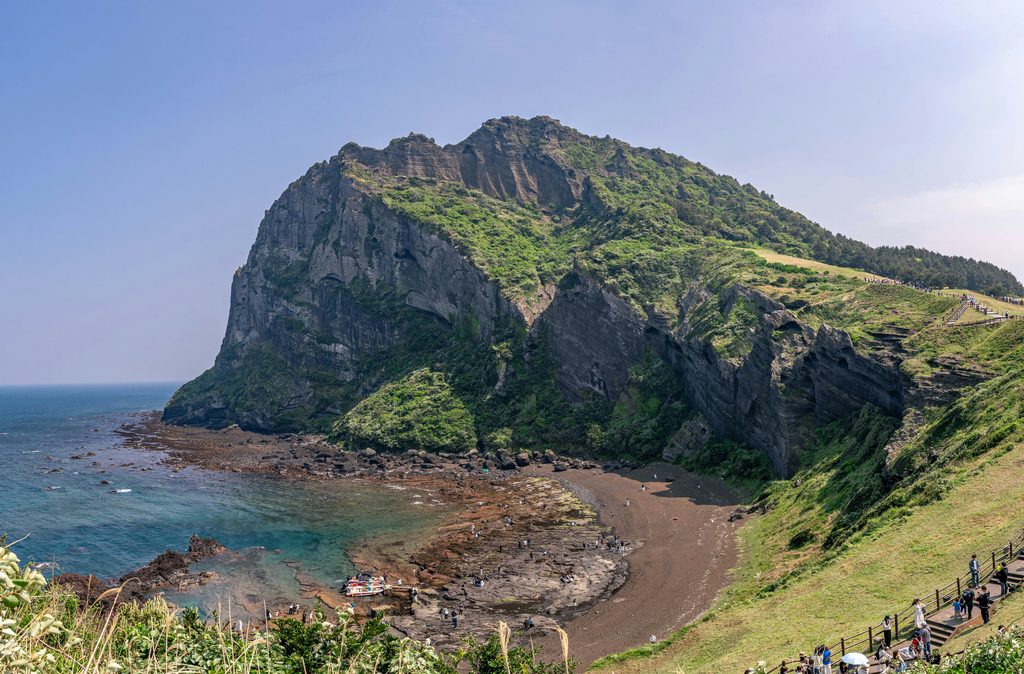
Avoid planning East Jeju and West Jeju as one sightseeing day unless you have a specific reason to cross the island. A shorter list of places in the same area usually makes for a better Jeju trip than trying to cover every famous attraction.
What to Book Before Your Jeju Trip
You do not need to reserve every part of a Jeju trip in advance, but a few bookings are worth handling before you arrive.
- Accommodation: book earlier if you are traveling during weekends, holidays, summer, or other busy periods, especially if you want to stay in a specific part of the island.
- Rental car: if you plan to drive, reserving before arrival gives you a better chance of getting the vehicle type and pickup time you want.
- Hallasan summit hike: if you plan to hike to Baengnokdam, check the official Hallasan reservation system before your trip. Summit access, reservation availability, and trail restrictions can change.
- Day tours or private drivers: book ahead if you are not driving and have a specific route or date in mind.
Official Hallasan Trail Reservation
If you are visiting Jeju in autumn, see our Korea Fall Foliage 2026 guide for Hallasan’s forecast peak dates and how Jeju compares with other foliage destinations across Korea.
Do not make every day too rigid, especially if your itinerary includes hiking, Udo, beaches, or other weather-dependent activities. Leaving some flexibility makes it easier to adjust for rain, strong wind, ferry changes, or mountain conditions.
Practical Tips for First-Time Visitors
A few simple preparations can make traveling around Jeju much easier.
- Install NAVER Map before your trip. It provides public transportation directions and driving navigation in Korea, with English support available.
- Keep mobile data available while traveling. You will use it frequently for navigation, bus information, reservations, weather checks, and contacting accommodation or tour operators.
- Carry a T-money card if you plan to use buses. Jeju city buses are cashless, so a T-money card is one of the simplest payment options for international travelers.
- Keep a small amount of Korean won in cash. Cards are widely used in Korea, but some traditional markets and smaller businesses may still require or prefer cash.
- Check the weather again each morning. Conditions can affect hiking, ferries, beaches, and other outdoor plans, so avoid making every day of your itinerary completely fixed.
NAVER Map Download: Android | iPhone
Jeju Island Travel Guide FAQ
Is Jeju worth visiting on a first trip to South Korea?
Yes, especially if you want nature, coastal scenery, hiking, and a slower pace than Seoul or Busan. However, adding Jeju usually means another flight or ferry transfer, so it works best when you can give the island at least a few full days rather than squeezing it into a very short Korea itinerary.
Can you visit Jeju without renting a car?
Yes. Buses, taxis, day tours, and private drivers make a car-free Jeju trip possible. The key is to plan each day around one area of the island instead of trying to cover distant attractions on the same day.
How many days should you spend in Jeju?
For most first-time visitors, 3 to 4 full days is a good balance. Two days is possible for a focused trip, while five or more days gives you more time for hiking, beaches, slower travel, and weather changes.
Can you visit Jeju as a day trip from Seoul?
It is technically possible to fly from Gimpo to Jeju in the morning and return the same day, but it is not the best way to experience the island. Airport time and travel between Jeju’s spread-out attractions leave very little time for sightseeing. An overnight trip of several days is a much better choice for most travelers.
Final Planning Tips
Once you know your travel dates, choose your base and transportation before building a long list of attractions. Keep each day geographically compact and leave some flexibility for weather. That simple approach will make a first trip to Jeju easier to manage and much less rushed.